There is a common assumption worth correcting before this review begins: most buyers believe a clear plastic dog playpen is a tool for young puppies only — something used for eight weeks and then retired to a garage shelf. The verified review record for this category consistently contradicts that assumption. Adults returning from surgery, dogs in apartment transitions, and rescue dogs in early adjustment phases all appear with regularity in long-term user reports. The actual buyer pool is considerably wider than the marketing implies.
This review examines the 8-panel clear dog playpen with built-in door at $99.99 — white frame, 23.6-inch height, 4.6 out of 5 stars from 108 verified purchasers. That above-average rating reflects genuine satisfaction in specific use cases. It also conceals real limitations this review addresses directly.
What Arrives in the Box and What to Examine Immediately
Eight clear panels arrive pre-hinged in pairs, connected via plastic clips rather than tools. One panel incorporates a two-step latching door — a detail that matters daily. Getting in and out of the enclosure without a door means stepping over the wall, which works once or twice and becomes genuinely irritating over months of use. The door configuration here is a functional advantage over doorless alternatives like the Frisco Wire Dog Exercise Pen ($45–$65), which requires stepping over for every access.
Each panel measures approximately 27.5 inches wide by 23.6 inches tall. Eight panels in the default octagonal configuration create roughly 18.5 square feet of interior space. That is comfortable for a 20-pound dog. A 50-pound dog can turn around and lie down, but there is no room for pacing. Dogs that need to move — high-energy breeds, adolescent dogs in active exercise phases — will show restlessness in this footprint within minutes.
Panel Materials and Build Quality Under Examination
The clear panels use a rigid ABS-adjacent plastic approximately 3mm thick. They are noticeably more substantial than the thinner sheeting found in budget models under $50. The frame is white ABS with recessed hinge points that allow flat-folding when disassembled — useful for storage in tight apartments.
One area that warrants close inspection on arrival: the connecting clips. Reviewers past the 90-day mark note that clips in high-flex positions — particularly at corners where the shape bends — develop minor looseness over time. This does not cause collapse under normal use, but it is the component most likely to need replacement first. Inspect each clip before first assembly and ask the manufacturer about replacement clip availability before you need them urgently.
The door latch requires a lift-and-swing motion to open. It holds reliably for calm, small-to-medium dogs. Dogs that charge the door directly are a different situation — covered in the limitations section below.
What 23.6-Inch Height Means for Your Specific Dog
This is the specification buyers most commonly misread. 23.6 inches sits approximately at collar height on a standard Labrador Retriever. Most breeds under 40 pounds will not clear this height on a casual standing jump. But any dog known to jump 24 inches or more in normal play — Border Collies, Huskies, Standard Poodles, Jack Russell Terriers — should be treated as an active escape risk from this configuration.
Height is not a flaw unique to this product. It is a categorical limitation shared across all pens at this measurement. Buyers who need taller containment should look at the MidWest Homes for Pets 8-panel exercise pen, available in 24, 30, 36, 42, and 48-inch heights, typically priced between $55 and $90 depending on height selection. The tradeoff is wire steel construction, which reads differently in a living room than clear panels.
Indoor vs. Outdoor Use: What the Available Evidence Shows
The product is marketed for both indoor and outdoor environments. That claim holds up unevenly. The table below reflects patterns from verified reviewer reports — individual results vary based on specific dog behavior and surface conditions.
| Use Environment | Reported Performance | Primary Limitation | Recommendation |
|---|---|---|---|
| Indoor hardwood or tile | Strong — panels stay positioned, surface wipes clean | Can slide if dog runs repeated circuits | Well-suited; add non-slip mat underneath if needed |
| Indoor carpet | Good — carpet friction reduces panel movement | Spills harder to clean from carpet beneath pen | Adequate for most household situations |
| Covered patio or deck | Good under shade — UV exposure limited, surface stable | Wind can displace lighter configurations | Workable with periodic position checks |
| Open yard or grass | Moderate — uneven ground creates base gaps | No anchoring hardware included; gaps allow small-dog escape | Supervised use only; aftermarket tent stakes help |
| Direct prolonged sunlight | Limited — reviewers report yellowing over time | Clear plastic susceptible to UV degradation after 12+ months | Not recommended for permanent outdoor placement |
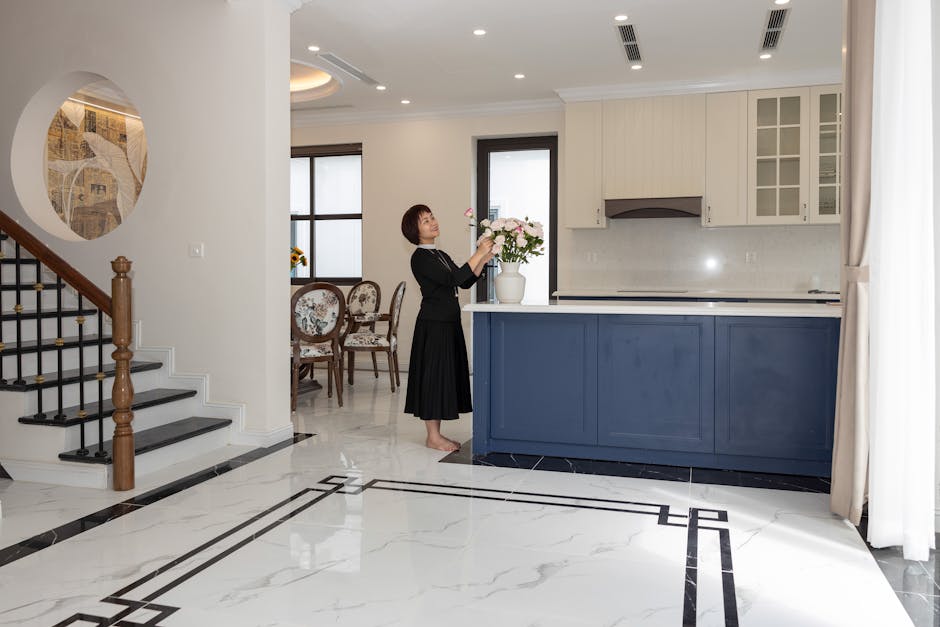
In a white-painted room with light wood flooring, this pen reads as an intentional design element rather than pet equipment. Several reviewers specifically mention choosing it over the IRIS USA Pet Playpen (approximately $35–$50, opaque plastic panels) because it does not visually divide the room. That is a legitimate differentiator — it genuinely photographs and reads differently in a living space.
The Outdoor Case: Honest Assessment
The outdoor use claim holds best in covered, shaded environments. Open-yard use without supplemental anchoring is workable only for calm dogs that do not test the perimeter — a qualifier that significantly narrows the viable outdoor use population. If your primary need is outdoor containment, a wire pen with weighted bottom bars is the more structurally appropriate choice.
Assembly and Cleaning: The Process That Extends This Pen’s Life
No specific product recommendations appear in this section. The steps below apply to clear plastic playpens generally, and the techniques here directly affect how long clips and panels hold up under repeated daily use.
- Inspect clips before first assembly. Cold-weather shipping occasionally stresses plastic connectors. A two-minute pre-use inspection catches brittle clips before they fail mid-use.
- Connect panels in pairs, then join the pairs. Attempting sequential single-panel connection requires holding a partially assembled, unstable structure upright. Pair-by-pair assembly is faster and reduces frame stress.
- Decide your configuration before locking the final connection. Octagonal and rectangular configurations both work with eight panels. Rectangular fits room corners more efficiently. Switching configurations after full assembly requires partial disassembly — easier to plan this in advance.
- For daily surface cleaning, a microfiber cloth with diluted dish soap removes nose prints, paw smudges, and light food residue without scratching the clear surface. Abrasive scrubbing pads permanently reduce panel clarity.
- For deep cleaning, detach panels individually and rinse under a shower or garden hose. Dry time is approximately 15–20 minutes at room temperature. Reassemble only when hinge connectors are fully dry — residual moisture in the clip joints accelerates plastic fatigue.
- Check clips monthly if the pen is assembled and disassembled frequently. Proactive replacement before failure is far simpler than emergency disassembly with a dog inside.
First-time assembly typically runs 12 to 18 minutes. Repeat assembly after the first two sessions drops to under 8 minutes for most users. The learning curve is genuinely short.
What Separates a Worthwhile Dog Pen from a Frustrating Purchase
Height-to-breed matching is the single most important purchasing criterion — and the one most commonly skipped entirely. No other specification matters as much as whether the containment height actually exceeds your dog’s jump height by a meaningful margin. A 24-inch pen containing a dog that routinely jumps 22 inches offers considerably less margin than most buyers realize when they are browsing product pages.
Beyond height, four criteria reliably separate functional pens from returned products:
- Door inclusion. A pen without a door becomes physically exhausting within weeks. Stepping over a 24-inch wall multiple times per day — to feed, clean, retrieve toys — is a cumulative irritant that many buyers report only in retrospect, after the return window closes.
- Surface compatibility. Plastic-based pens on smooth floors require either non-slip mats or active repositioning as the dog moves the pen incrementally. Wire pens with weighted bottom bars carry a natural stability advantage on hardwood.
- Panel visibility. Clear panels reduce anxiety in dogs stressed by visual isolation. Opaque panels are preferable for dogs overstimulated by visible room activity — the opposite behavioral profile. Matching panel type to your dog’s specific anxiety pattern matters more than most buyers consider.
- Cleaning access. Removable, rinse-able panels matter enormously for any dog under 18 months still working through housebreaking. Pens that cannot be separated for cleaning accumulate odor faster than users typically anticipate.
Any pen that meets all four criteria for your specific dog and living environment represents a sound purchase decision regardless of brand or price point. Missing even one criterion — particularly height-to-breed match — typically results in a product return within 30 days.
Who Should Buy This Pen — and Who Should Walk Away
For households with calm dogs under 30 pounds, particularly in apartments or open-plan living spaces where aesthetics matter, this is the strongest clear-panel option currently available at this price point. The door, the visibility, and the clean-line aesthetic in white make it a genuinely appropriate purchase for that specific buyer profile.
Situations Where This Product Makes Clear Sense
- Puppies of any breed during the first 12–16 weeks of housebreaking, where containment is temporary and jump height is still developing
- Small permanent-breed dogs — Maltese, Toy Poodle, Shih Tzu, Chihuahua, French Bulldog — as a long-term defined space within a shared living area
- Post-surgical recovery containment for medium dogs, where the priority is movement restriction rather than preventing escape from an actively motivated animal
- Renters and frequent movers who need portable containment without permanent hardware installation
- Homeowners where the pen needs to coexist visually with a designed interior rather than signaling “pet equipment in the corner”
When to Buy Something Else
- Any breed with a documented jump height over 24 inches — the MidWest 36-inch or 42-inch wire pen is the appropriate product for that use case
- Dogs with active chewing behavior — the panels are not bite-resistant and will show permanent damage quickly
- Unsupervised outdoor placement for extended periods — UV degradation risk and the absence of anchoring make this inappropriate for that application
- Budget-priority buyers for whom aesthetics are secondary — the IRIS USA 8-panel or Frisco wire exercise pens deliver adequate containment at $30–$65
The white 23.6-inch 8-panel configuration photographs well in light-toned rooms and reads intentionally in modern minimal interiors. In darker, more traditional spaces, the contrast between the white frame and surrounding environment tends to be more prominent than product images suggest.
Why Dogs Bark in Pens — and What the Evidence Suggests Actually Helps
What Drives Pen-Related Vocalization?
Dogs that bark excessively inside an enclosure are almost always communicating one of three things: separation distress (the dog associates the pen with isolation from the owner), boredom from insufficient pre-pen exercise, or novelty stress from an enclosure they have not yet associated with positive experiences. None of these are design flaws in the pen. All three respond more durably to behavioral conditioning than to equipment changes.
Does an Ultrasonic Interrupter Help in This Context?
Training literature suggests ultrasonic devices function most reliably as an interruption mechanism — not as a standalone solution. Used at the onset of barking, before the dog reaches sustained vocalization, the interruption creates a pause that allows positive redirection. Used after sustained barking is already established, the effectiveness drops noticeably. The portable ultrasonic bark interrupter with 6 adjustable training modes at $12.99 offers a 23-foot range and rechargeable battery — adequate for most apartment setups. At 12 reviews and a 4.2/5 rating, the data sample is limited, so individual results vary more widely than with larger review pools.
What the Negative Reviews Consistently Get Wrong
The most common frustration in the one-star reviews for clear playpens — any brand — is that “the dog barks nonstop.” In nearly every documented case, the review also mentions placing the dog in the pen immediately after bringing it home, without gradual acclimatization. A new dog placed into any enclosure without positive associations will typically protest audibly. The pen is rarely the variable. The introduction process almost always is.
Teaching a dog that the pen predicts good outcomes — meals placed inside, favored toys available only when inside, calm departures rather than anxious ones — produces behavioral change over one to three weeks in most cases. That timeline is worth understanding before attributing vocalization behavior to product quality.
The market for pet furniture that functions well and belongs visually in a designed home is still developing. Products like this clear playpen represent a meaningful step toward enclosures that do not force owners to choose between reliable containment and a home that looks the way they intended. The category has room to grow — particularly on height options, anchoring systems, and long-term clip durability — and the trajectory of buyer demand suggests it will.