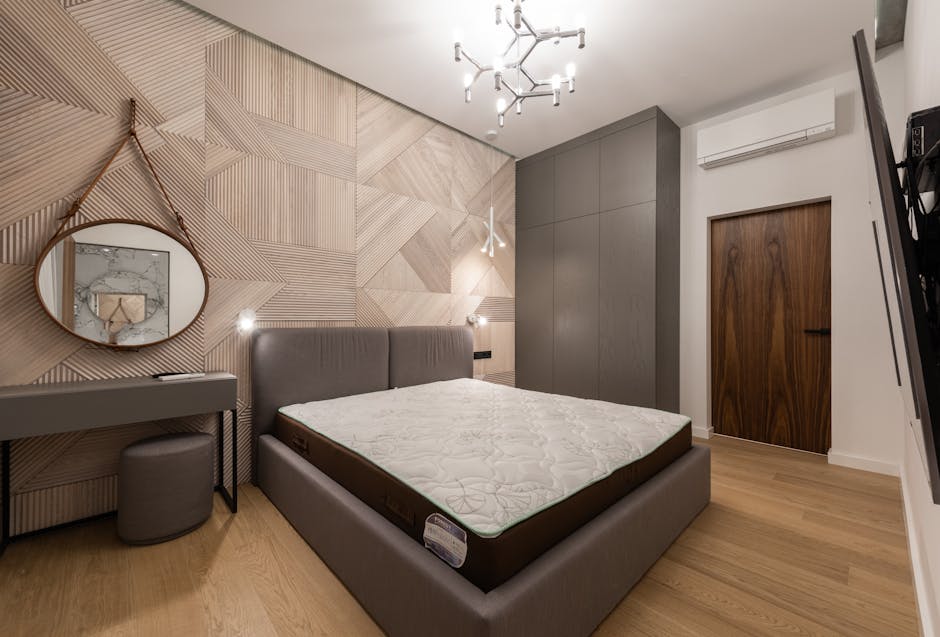
The average person loses about half a liter of moisture per night through sweat. That number climbs in warm weather or if you run hot. A bare mattress absorbs every drop.
A waterproof mattress pad is roughly a $30 solution to a potential $1,000 problem. The catch: buying the wrong one means sleeping on something that sounds like a grocery bag every time you roll over. Getting it right is straightforward — once you know what actually matters.
Why Mattresses Break Down Long Before They Should
Most people assume mattress degradation comes from pressure — body weight compressing foam over years. That’s real, but it’s slow. Moisture damage is faster and far less visible.
Sweat penetrates the top quilting of a mattress within weeks of regular use. Once it reaches the foam core, it creates a warm, humid environment where dust mites thrive. The Asthma and Allergy Foundation of America estimates that dust mite allergies affect roughly 20 million Americans — and an unprotected mattress is one of the best environments for them to colonize.
Spills accelerate the problem. Liquid that soaks into foam doesn’t evaporate cleanly — it breaks down cell structure and creates permanent soft spots. More critically, most major mattress brands void their warranties when liquid damage is found during a claim. Casper, Purple, and Tempur-Pedic all include this language in their warranty documentation.
Your mattress warranty is a contract with assumptions baked in — one of them is that you’ll keep liquid off the foam.
The math is hard to argue with. A mid-range mattress costs $600–$1,500. A quality waterproof pad runs $30–$60. You’re spending 3–5% of the asset’s value to extend its useful life by years. This isn’t an optional upgrade — it’s the same logic as buying a case for a $1,000 phone.
The type of mattress also affects how quickly damage sets in. Memory foam is most vulnerable: it compresses under repeated moisture exposure and doesn’t recover the way coil-based mattresses can. Innerspring frames have more airflow through the coil structure, which slows the process slightly. Hybrids sit in the middle. All benefit from protection, but foam owners have the most to lose from skipping it.
The damage compounds silently. You won’t notice moisture accumulation month to month. By the time there’s a visible sag or a musty odor, the foam has already degraded in that zone. There’s no meaningful way to reverse it — you can clean the surface, but the core is already compromised. Protection works before the problem starts.
Five Features That Decide Whether a Waterproof Pad Actually Works
Not all waterproof claims are equal. The label means little without knowing how the protection works and whether it survives regular washing.
- Waterproof barrier type. The two main materials are vinyl (PVC) and TPU (thermoplastic polyurethane). Vinyl is stiff, loud, and retains heat. TPU is the modern alternative — softer, quieter, and more breathable. Most pads in the $25–$50 range now use TPU, but not all. If the listing doesn’t specify the barrier material, assume vinyl until reviews confirm otherwise.
- Noise level. This is the category’s most common complaint. A crinkling sound every time you shift positions is not something you adapt to — it disrupts sleep and drives returns. Look specifically for verified buyer reviews that mention noise, not just the overall star average. A 4.5-star rating can mask a noisy pad if nobody writes about it in the filters you’re checking.
- Pocket depth. Standard mattresses run 8–12 inches deep. Add a memory foam topper and you can hit 14–16 inches easily. Most quilted pads are listed as fitting 6″–15″ depths, which covers most standard setups. Measure your specific mattress height before ordering. A pad that slips off a corner by midnight is functionally useless.
- Breathability. The quilted top layer is what separates a pad from a plain plastic cover. Quilted polyester or cotton adds a soft buffer between you and the waterproof membrane. If you already sleep hot, prioritize pads with a cotton terry top — it breathes better than polyester quilting under extended heat.
- Machine washability — and at what temperature. Every mattress pad claims to be machine washable. What the packaging often skips: the heat limit. Washing on high heat repeatedly degrades the waterproof membrane. Most manufacturers recommend warm or cold wash, tumble dry low. Check the care label before the first wash, not after the membrane separates from the stitching.
One practical step: filter Amazon reviews for the words “noise,” “crinkle,” or “plastic” before buying anything in this category. The star rating won’t surface crinkling complaints — but the text reviews will. This applies to every brand, not just budget options.
Mattress Pad Comparison: What $30–$50 Gets You
Here’s how four commonly purchased pads compare on the specs that matter most.
| Product | Price | Pocket Depth | Top Layer | Noise Profile | Rating |
|---|---|---|---|---|---|
| BEDLORE Waterproof Full Mattress Pad | $32.99 | 6″–15″ | Quilted polyester | Low (per most reviewers) | 4.5/5 |
| BEDLORE Waterproof Twin Mattress Pad | $29.99 | 6″–15″ | Quilted polyester | Low (per most reviewers) | 4.5/5 |
| SafeRest Premium Hypoallergenic Twin | $39.99 | Up to 18″ | Cotton terry | Very low | 4.5/5 |
| Luna Premium Hypoallergenic Queen | $45.99 | Up to 18″ | Cotton terry | Low | 4.4/5 |
SafeRest and Luna cost $7–$13 more and offer deeper pocket clearance — up to 18 inches — with cotton terry tops that breathe more efficiently than polyester quilting under sustained heat. If you run hot at night, or your mattress already has a topper that pushes the total height past 15 inches, that extra depth and better airflow are worth the premium. For everyone else, BEDLORE delivers comparable waterproof protection at the lower price point. The core function — blocking liquid from reaching the mattress — works the same across all four options. Where they diverge is breathability, pocket depth, and surface texture. For a standard mattress without an existing topper and without chronic hot-sleep issues, BEDLORE is the more efficient spend. SafeRest earns the nod when allergen filtering or a cotton-feel surface is a specific requirement.
BEDLORE Waterproof Mattress Pad: What Buyers Actually Report
The BEDLORE Full is the right call for most buyers looking for a waterproof pad under $40. The 4.5/5 rating from 64 verified reviews supports that — but the individual reviews reveal specifically where it delivers and where the marketing outpaces reality.
Where the Pad Delivers
Waterproofing is the core promise, and buyers testing it against real spills confirm it holds. One buyer noted: “My daughter is constantly spilling her drinks on my bed and it doesn’t spill through!” That’s the most direct test this product faces, and it passes cleanly.
Comfort is the other consistent win. The quilted top layer adds genuine softness — not a thick topper, but noticeably cushier than a basic vinyl-backed cover. A verified reviewer wrote: “It is very plush. If I could give it 10 stars, I would.” At $32.99, that level of feedback is more than marketing copy.
The fitted design earns specific praise. The elastic deep-pocket construction holds position through the night. Multiple reviewers noted that the pad stays in place without shifting — a common failure point for budget options with thinner elastic. One buyer made a direct comparison: “compared to my previous waterproof pad, this is wayyy better!”
For daily use on a guest bed, a child’s mattress, or a frequently used primary bed, the BEDLORE Full size mattress pad holds up well at $32.99 — a price that leaves room to buy a backup if you want one in rotation.
The Honest Limitations
Two complaint patterns appear in the negative reviews. Both are predictable once you understand what this product actually is.
Thickness expectations come first. Some buyers found the pad thinner than product photos suggested. One noted: “Doesn’t look like the picture at all. Not thick and fluffy like shown.” Mattress pad photography uses studio lighting that makes quilting appear dramatically fuller than it looks in a bedroom. This is a category-wide problem, not specific to BEDLORE. If you need added height or cushioning, a dedicated topper handles that job — the pad sits on top to provide protection.
Noise is the second concern. The “noiseless” marketing claim doesn’t hold universally. One reviewer reported: “the description says noiseless and it sounds like I’m rolling around on plastic.” Most buyers don’t report this issue, which points to unit-to-unit variation or individual sensitivity differences. Set expectations based on the full range of reviews — not just the listing headline.
Full vs. Twin: Which Size to Order
The BEDLORE Twin in gray runs $29.99 — three dollars less than the Full in white. Both carry identical pocket depth specs and the same 4.5/5 rating. The differences are size and color, nothing else.
Twin is the right call for a child’s bed, a dorm setup, or a single-person guest room. The gray colorway hides residual discoloration better than white if the pad ever shows above the fitted sheet. Full is the better fit for couples or anyone on a standard full-size frame who will stress-test the elastics more aggressively through the night.
One sizing note worth flagging: Full XL and Twin XL are different dimensions than standard Full and Twin. If your frame came from an adjustable bed manufacturer or a specialty retailer, verify your exact mattress dimensions before ordering. The Twin BEDLORE pad in gray works well for single-bed setups — just confirm the 6″–15″ pocket depth matches your specific mattress before finalizing the order.
Five Mistakes That Turn a $30 Pad Into a $30 Return
Most negative mattress pad reviews trace back to the same handful of avoidable errors. These aren’t product flaws — they’re shopping oversights.
- Not measuring total mattress height before ordering. A pad rated for 6″–15″ depth won’t secure properly on a mattress-plus-topper combo that hits 17 inches. The elastic stretches, corners pop free, and you wake up on a bunched layer. Measure mattress height plus any toppers already in place. Then cross-check against the pad’s listed pocket depth — not just the size (Twin/Full/Queen).
- Washing on high heat. The waterproof membrane can delaminate from the quilted top after repeated high-heat cycles. Most pads should be washed on warm or cold and tumbled dry on low. Read the care label before the first wash — not after the membrane bubbles or peels away from the stitching.
- Expecting a protector to fix a struggling mattress. A quilted pad adds a soft surface layer, not a structural overhaul. Buyers expecting 2 inches of added cushioning from a protector are disappointed every time. For comfort issues, a dedicated memory foam or down topper is the correct product. Use it under the pad — the pad goes on top for protection.
- Trusting “noiseless” without checking reviews. Any pad using a vinyl barrier will crinkle. Filter Amazon reviews for “noise” or “crinkling” before buying anything in this category. Two minutes of review filtering avoids the most common return scenario in the entire mattress pad market.
- Confusing Full with Full XL, or Twin with Twin XL. These are meaningfully different dimensions. Adjustable bed frames and some college dorm setups use XL sizing. Check your mattress label for exact dimensions if your frame is non-standard. The sizing listed on most pads assumes traditional bed frames only.
When a Quilted Pad Isn’t the Right Product
What if allergen control is the main goal?
Quilted pads are not allergen encasements — they’re liquid barriers with a comfort layer on top. A fitted pad covers only the surface. Dust mites already living inside the mattress can still escape through the sides and bottom. For serious allergen protection — asthma, severe dust mite sensitivity, or post-illness sanitization — a full six-sided encasement like the SafeRest Premium Zippered Mattress Encasement is the correct product. It seals the entire mattress and blocks allergen pathways that a surface pad cannot address. Pairing both products (encasement underneath, quilted pad on top) gives you full protection plus a comfortable sleeping surface.
What if I’m outfitting a bed for regular bedwetting?
A surface pad handles occasional spills well. For nightly or near-nightly bedwetting, consider a layered system: an encasement at the base and a fitted pad on top. When the top layer needs washing at 2 a.m., the encasement stays dry underneath. This setup keeps one dry pad in rotation while the other is in the wash — and reduces how often the encasement itself requires laundering, since it’s protected by the pad above it.
What if the mattress already has visible damage?
A pad won’t repair an existing soft spot, a broken spring, or moisture damage already set into the foam core. Protection works before the problem starts, not after. If the mattress has existing structural issues, a pad conceals them rather than solving them. The right sequence: replace the mattress, then protect the new one from day one — not month two.
A quilted pad also won’t address squeaky springs or a creaking frame. Those are mechanical problems a surface layer can’t fix.
For the scenario this guide started with — a mattress taking daily use from spills, sweat, and the general hazards of a busy household — the BEDLORE Full at $32.99 is the clearest value in its price range. It blocks liquid, stays in place, and for most buyers stays quiet through the night. A $30 pad protecting a $1,000 mattress is still the best math in this section of the home goods aisle.