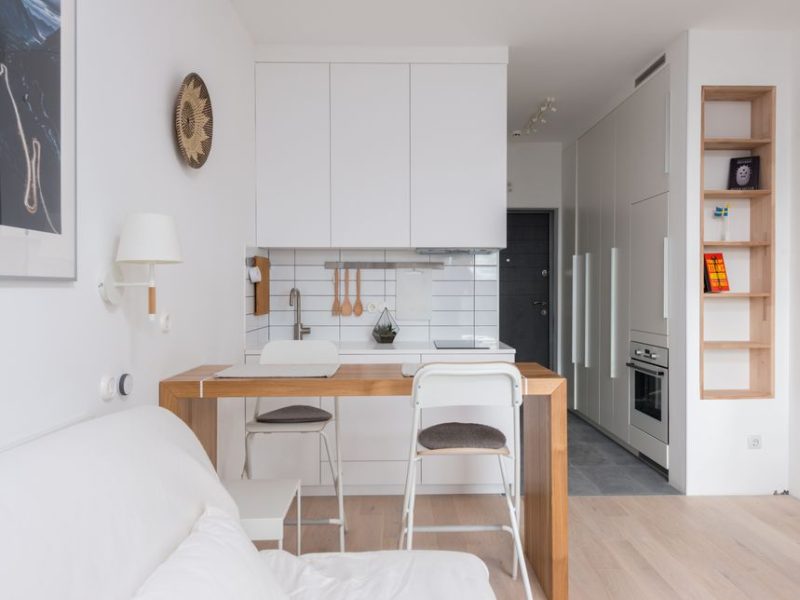
Are you starting every winter morning by navigating a pile of damp coats, mismatched gloves, and boots that somehow migrated to the middle of the hallway?
Here is a scene most homeowners recognize by heart: mid-January, the entryway has fully collapsed. Boots cluster near the door. The floor mat is permanently wet. Four coats balance on one hook. Somewhere under everything is a hat that vanished in November. And every morning you have to wade through the chaos just to leave the house.
This is not a discipline problem. It is a design problem. A winter entryway that actually works requires the right furniture, the right system, and a handful of decisions most homeowners never think to make until the damage is already done.
Why a Chaotic Winter Entryway Causes Real, Measurable Damage
Most homeowners treat entryway dysfunction as minor inconvenience. In practice, it is typically the source of damage that shows up in floors, walls, and repair bills years later — long after the connection to a poorly managed entryway entry point is obvious.
Road salt is the primary culprit. When tracked in on boot soles, it acts as a mild abrasive on hardwood finish and grout lines. Over multiple winters, this creates dull patches on wood floors and darkened grout that no amount of mopping fully restores. Professional hardwood floor refinishing generally runs $3–$5 per square foot. A 10×12 foot entryway and hallway area costs $360–$720 to refinish professionally — more than most complete entryway furniture setups cost new.
The Hidden Moisture Problem
Wet coats and boots piled near a doorway raise localized humidity levels. Over a full winter, this moisture migrates into drywall and framing — particularly in older homes built without vapor barriers behind entryway walls. The visible result shows up as paint bubbling near baseboards, mold spotting in corners, or a musty smell that intensifies every time the furnace runs.
Most homeowners do not connect this to entryway habits. By the time the damage is visible, it has been accumulating quietly for two or three winters. At that point the fix involves wall repairs and remediation, not just a better coat hook.
Slip Hazards on Wet Entry Floors
Wet tile or sealed hardwood with no containment mat is a genuine slip risk — particularly for children and older adults entering or leaving quickly. Slip-and-fall incidents in residential entryways rise in winter months in snowy climates, and a soaked flat mat is not enough to address the problem. A tray with raised edges contains water that a flat mat simply absorbs and lets spread outward.
The SONGMICS 3-Tier Boot Tray ($22) has 1.5-inch raised sides and holds three pairs of boots comfortably. The setup that works: tray underneath the mat. The mat provides traction and a surface people recognize as where boots come off. The tray catches overflow. This two-layer approach costs under $35 combined and addresses both the slip risk and the floor damage issue simultaneously.
What Functional Actually Means Here
A functional entryway is one that works without reminders or instructions. Every person in the household — including kids and regular visitors — should be able to enter, remove outerwear, and store it correctly without thinking about it. If your current setup requires people to consciously decide what to do with their coat or where their boots go, it will fail the moment daily habits lapse even slightly.
Design for the worst-case user, not the ideal user. If a 9-year-old uses the entryway, hooks need to be reachable by a 9-year-old. If an elderly parent visits regularly, the bench needs a stable edge to push up from. Functional design accounts for everyone who actually comes through the door — not just the person who picked out the furniture online.
Entryway Furniture Compared: What Actually Holds Up in Winter
Not all entryway furniture performs equally once multiple users, heavy winter coats, and wet boots are in the picture. Here is a direct comparison of the main categories by winter performance factors.
| Furniture Type | Capacity | Water Resistance | Typical Price | Best Fit |
|---|---|---|---|---|
| Mudroom bench with cubbies | High (4–6 cubbies) | Medium | $150–$400 | Families with kids |
| Coat rack + boot tray combo | Medium (5–8 hooks) | Low–Medium | $40–$120 | Rentals, small apartments |
| Closed storage cabinet + bench | Very high (enclosed) | High | $200–$600 | Frequent guests, open-plan homes |
| Wall-mounted shelf + hooks | Low–Medium | High (no floor contact) | $30–$100 | Narrow entryways under 36 inches |
| Freestanding hall tree | Medium | Low | $80–$250 | Single users, aesthetic focus |
Best for Most Families: Mudroom Bench with Cubbies
Individual cubbies create natural ownership — each person in the household has a designated space, which dramatically reduces the pile-up problem that single-hook and shared-bench setups produce. The IKEA HEMNES shoe cabinet ($199, 42x22x101cm) is a compact version that works in tighter entryways. For more capacity and customization, the Pottery Barn Benchwright Locker system (starting at $349 per module) allows combined configurations of hooks, baskets, and enclosed storage built to fit your wall width.
One material detail that matters more than the marketing copy suggests: if the bench top is MDF with a veneer finish, repeated water exposure will eventually damage the edges. Solid pine or birch holds up significantly better over multiple winters. This spec is usually listed under product materials and not in the headline features — worth checking before ordering.
When a Closed Cabinet Makes More Sense
If the entryway is visible from a main living area and the sight of winter gear in view creates ongoing stress, a closed cabinet solves what open cubbies cannot. The SONGMICS Shoe Storage Cabinet ($85, 12-pair capacity) uses a flip-up door design that conceals gear completely while keeping it easy to access. The honest caveat: enclosed storage works only if everyone in the household actually uses it. For households that drop-and-leave, open storage is more practical even when it looks less polished.
The Footwear Factor: Why Your Boots Might Be the Real Problem
The most overlooked source of winter floor damage in most homes is not the mat or the storage setup — it is the boots themselves.
Non-waterproof footwear absorbs slush and road salt and then releases it slowly across every floor surface walked on after entry. A boot tray catches the puddle at the door, but poorly sealed boots keep dripping for several minutes after they come off. The water you are trying to contain at the entry point effectively doubles when the footwear is not waterproof — a problem no amount of mat layering can fully solve.
What to Look For in Winter Boots That Protect Your Floors
Waterproof ankle boots hit the best balance for most everyday winter conditions. They are warm enough for real cold, short enough to remove quickly, and the lower shaft keeps slush out without the bulk of full snow boots. Fur-lined interiors add warmth without requiring extra insoles or thick wool socks, which simplifies the morning routine in a practical way — something that matters when you are getting out the door before 7 a.m.
The Hsyooes fur-lined waterproof ankle boots ($35.99) have earned a 4.3/5 rating across more than 11,700 verified reviews — a meaningful signal at this price point. The waterproof outer shell directly addresses the floor-dripping problem that non-waterproof boots cause, and the fur lining handles the temperature range typical of most U.S. winter climates without adding bulk. For suburban and urban everyday use, this category of boot is the practical pick over heavier technical footwear designed for conditions most people never encounter.
Budget Boot vs. Premium Boot: Where the Line Actually Falls
Sorel’s Caribou ($170) and the Columbia Bugaboot III ($130) are genuinely superior boots for extreme conditions — both carry temperature ratings around -40°F and use aggressive lug soles built for serious snow accumulation and backcountry conditions. If you are shoveling a long rural driveway daily, or spending extended time outdoors in temperatures consistently below 10°F, that premium is justified.
For the majority of people — commuting, school pickups, grocery runs, brief outdoor exposure in typical winter conditions — the premium does not add proportional value. The women’s grey waterproof ankle boots from Hsyooes cover everyday winter use at roughly one-fifth the cost of a Sorel. Know your actual climate and usage pattern before deciding where the extra $130 goes.
6 Entryway Mistakes That Create Chaos by December
These errors appear in even well-intentioned setups. Each one amplifies the others — fixing one in isolation often reveals the next one immediately.
Mistakes That Damage Floors and Walls
- No boot containment system. A flat mat absorbs water but lets it spread. A tray with raised sides — minimum 1 inch — keeps puddles contained at the point of entry. This is the highest-impact entryway upgrade under $25. The SONGMICS boot tray at $22 holds three pairs and costs less than one hour of floor refinishing labor.
- Carpet in the entryway. Carpet traps road salt and moisture, and it is genuinely difficult to keep clean through a real winter. If entryway carpet is present, a heavy-duty waterproof vinyl mat cut to cover the main traffic zone is the fastest fix. Long term, tile or sealed stone is the most durable surface choice. Unsealed hardwood in a high-traffic entryway requires a seasonal maintenance commitment most people simply do not sustain.
- No ventilation plan for wet gear. Wet coats stored in enclosed cabinets without airflow develop mildew odor within weeks in cold climates. Leave enclosed cabinet doors slightly ajar after storing wet items, or use open-hook storage for coats that regularly come in wet. The furniture choice should match actual usage, not aspirational usage.
Mistakes That Create Daily Friction
- One coat hook for multiple people. A single hook becomes a pile within two days of winter starting. The minimum is one dedicated hook per household member. IKEA’s TJUSIG wall hook row ($15, five hooks) is the simplest and cheapest fix for a household that has been sharing one hook all season.
- Furniture that blocks the door swing. Measure the arc of your door before ordering anything. Entryway furniture is consistently among the most commonly returned furniture categories at Wayfair and IKEA — almost always because buyers skipped this measurement. A door that opens 90 degrees and a 20-inch-deep bench placed directly in the swing arc create an immediate problem that no amount of repositioning solves.
- No entry lighting. Dark entryways cause fumbling at the two peak-use times: early morning departures and evening arrivals. A battery-powered motion-activated light — the AMIR Motion Sensor Night Light runs around $15 and requires no wiring — mounts without drilling and activates automatically. Small change, consistent daily improvement.
Entryway Design Questions Answered Directly
How much floor space does a working entryway actually need?
The minimum functional entryway is 36 inches wide and 48 inches deep. That gives one person room to remove boots and hang a coat without backing into the door. For a household of three or four people arriving within the same window, 60–72 inches of width is more realistic. Under 36 inches wide, floor furniture typically blocks the traffic path — wall-mounted storage becomes the only workable option at that scale.
Bench or no bench — does the difference matter?
Yes, in specific situations. A bench matters most when young children, older adults, or anyone with balance limitations uses the entryway regularly. Sitting to remove boots is faster and safer than balancing on one foot. For households of healthy adults only, a bench is a convenience rather than a necessity. Sturdy wall hooks plus a boot tray handle most of the functional requirement without the floor footprint a bench requires.
Is a boot dryer worth buying?
For boots worn daily in wet conditions, yes. The PEET Original Boot Dryer ($30) removes the internal moisture that causes material degradation and persistent odor. Leather boots benefit most — moisture cycling is the primary cause of leather cracking and sole delamination over time. For boots worn only occasionally, air drying on the tray is sufficient. Daily wet conditions: buy the dryer. It extends boot life enough to pay for itself within a single season for most regular users.
What is the single fastest upgrade for a chaotic entryway?
A boot tray with raised sides and one additional coat hook per household member. Both cost under $40 combined. They address the two highest-frequency failure points in most entryways — floor water spread and the coat pile-up that cascades into general clutter. Start there and give the setup two full weeks before investing in larger furniture. Most entryway chaos resolves at this level.
One more piece belongs in the equation: dedicated winter footwear that stays near the door. Keeping a pair of waterproof fur-lined boots at the entryway means reaching for the right footwear automatically — which eliminates the most common reason slush gets tracked further into the house in the first place. The whole system holds together when the right tools are already in position before you need them.