Kitchen organization is often treated as a weekend DIY project, yet it is fundamentally an exercise in industrial engineering applied to the domestic sphere. The kitchen has transitioned from a purely utilitarian service room into the high-traffic emotional heart of the home, and with this shift comes an increased demand for systems that reduce cognitive load. The average person makes over 200 decisions about food every day; a disorganized kitchen forces a significant portion of those decisions to be about where an object is located rather than how to prepare the meal. To achieve a high-performance environment, one must look beyond aesthetics and focus on the “functional density” of the space—the ability to access 100% of a storage unit’s volume without moving three other items to reach the one you need.
The Five-Zone Methodology for Kitchen Mapping
Before investing in hardware, professional kitchen designers utilize the “Five-Zone” principle to map out storage. This strategy ensures that items are stored exactly where they are used, minimizing unnecessary movement across the floor plan. By categorizing your kitchen into these zones, you can identify precisely which storage solutions are required for each area.
- Consumables Zone: This includes the refrigerator and pantry. Storage here should focus on visibility and “First-In, First-Out” (FIFO) rotation.
- Non-Consumables Zone: This is for plates, cutlery, and glassware. These items should be stored near the dishwasher to streamline the unloading process.
- Cleaning Zone: The area under the sink and around the dishwasher. It requires moisture-resistant storage for chemicals and waste management.
- Preparation Zone: The main countertop area. This zone demands easy access to mixing bowls, knives, and spices.
- Cooking Zone: Surrounding the stove and oven. This is the optimal location for pots, pans, and cooking utensils.
Addressing the Efficiency Gap in Standard Kitchen Cabinetry
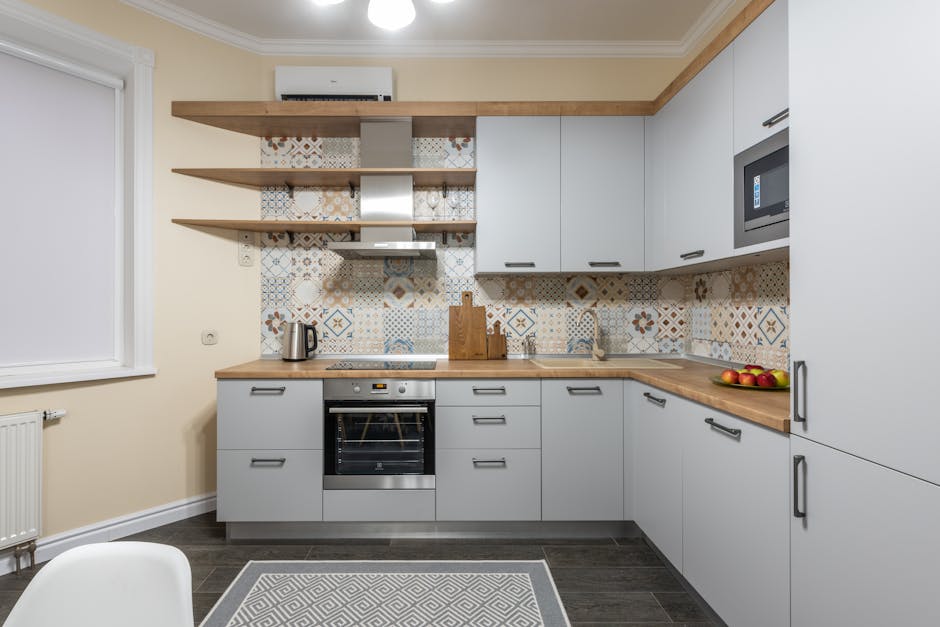
Standard base cabinets are typically 24 inches deep. In a traditional shelf configuration, the rear 12 inches of that space often becomes a “dead zone” where expired canned goods and rarely used appliances go to be forgotten. To rectify this, the integration of mechanical pull-outs is mandatory for a high-functioning kitchen. These systems are not merely luxury add-ons; they are fundamental corrections to a flawed architectural standard. By converting a deep, dark cavity into a gliding drawer, you reclaim roughly 50% of your usable space that was previously inaccessible.
The Mechanics of Base Cabinet Pull-Outs
When evaluating pull-out hardware, the focus must be on the slide mechanism. Side-mount slides are common but often reduce the available width of the drawer by up to 2 inches. Undermount, full-extension slides—such as those from Blum or Grass—are the industry gold standard. They offer a cleaner aesthetic and can typically support weights between 75 and 100 lbs (approx. 34kg to 45kg), which is necessary for heavy stacks of ceramic plates or cast-iron cookware. Furthermore, these slides often feature “soft-close” technology, which prevents the contents from shifting and rattling when the drawer is closed.
Product Spotlight: Rev-A-Shelf 448 Series Base Organizer
The Rev-A-Shelf 448 Series is a specialized pull-out designed for narrow base cabinets (5 to 12 inches wide). It is often priced between £120 and £250 depending on the width and material (typically maple or chrome).
- Specs: Available in 5″, 8″, and 11″ widths; 21.6″ depth; features adjustable shelves with chrome rails.
- Pro: Features adjustable shelves and chrome rails that prevent items from tipping, making it the premier solution for oils, spices, and tall bottles.
- Con: Requires precise installation; if the cabinet box is not perfectly square, the slide mechanism can bind over time, leading to premature wear.
| Storage Type | Optimal Use Case | Space Recovery Rate | Typical Price Range |
|---|---|---|---|
| Static Shelving | Large, lightweight items (cereal boxes) | 40-50% | £0 (Standard) |
| Roll-out Trays | Pots, pans, small appliances | 85% | £50 – £150 |
| Tiered Spice Pull-outs | Small jars, condiments, baking supplies | 95% | £80 – £200 |
| LeMans Corner Pull-out | Heavy cookware in blind corners | 90% | £300 – £550 |
Navigating the Blind Corner Dilemma
The “blind corner”—where two runs of cabinets meet at a 90-degree angle—is the most notorious space-waster in kitchen design. Traditional “Lazy Susans” often lead to items falling off the back of the tray and into the cabinet’s abyss. The modern solution is the “LeMans” or “Magic Corner” system. These mechanisms allow the shelves to swing entirely out of the cabinet, bringing the contents into the light of the kitchen.
Product Recommendation: Kesseböhmer LeMans II
The LeMans II is widely considered the pinnacle of corner storage, often retailing through premium kitchen suppliers for £350 to £500. It features a unique kidney-shaped shelf that pivots smoothly.
- Specs: Load capacity of 25kg per shelf; 85-degree opening angle; height-adjustable trays.
- Pro: The trays move independently and extend fully, meaning you never have to reach into the corner. The anti-slip surface prevents heavy pots from sliding.
- Con: It is a complex installation that usually requires professional fitting. It also requires a specific cabinet door opening width (minimum 400mm-600mm) to function correctly.
Evaluating Pantry Systems for Long-Term Organization
A pantry is more than a closet for food; it is a high-turnover inventory management system. The primary challenge in pantry storage is visibility. If a product is hidden behind another, the likelihood of duplicate purchasing increases, leading to waste and unnecessary expenditure. We have found that modular wire systems offer the best balance of visibility and airflow, which is critical for the longevity of dry goods like potatoes and onions that require ventilation.
The Case for Modular Wire vs. Solid Wood Shelving
While solid wood shelving looks premium, it creates shadows and blocks the view of items stored above eye level. Wire shelving, such as the Elfa system (available through major retailers like John Lewis), allows light to pass through the entire vertical stack. Furthermore, wire systems are infinitely adjustable. As your household needs change—perhaps moving from baby formula to bulk-sized snacks—the height of each shelf can be adjusted in seconds without tools. The open-weave design also prevents dust accumulation, which is a significant maintenance advantage over solid shelves.
Product Recommendation: Elfa Pantry Solution
The Elfa system typically starts around £300 for a basic reach-in setup but can scale to over £1,000 for walk-in configurations. It is an investment in durability.
- Specs: Epoxy-bonded steel; available in white or platinum; wall-hung or floor-standing options.
- Pro: Exceptional durability and the ability to add specialized components like “over-the-door” racks and gliding baskets. It can be uninstalled and moved if you change homes.
- Con: The aesthetic is distinctly industrial, which may not align with traditional or “warm minimalism” design preferences.
The efficiency of a pantry is measured by the time it takes to perform a visual inventory. If you cannot see your entire stock of grains and canned goods in under ten seconds, your storage system has failed.
Comparative Analysis of In-Drawer Storage for Utensils and Cutlery
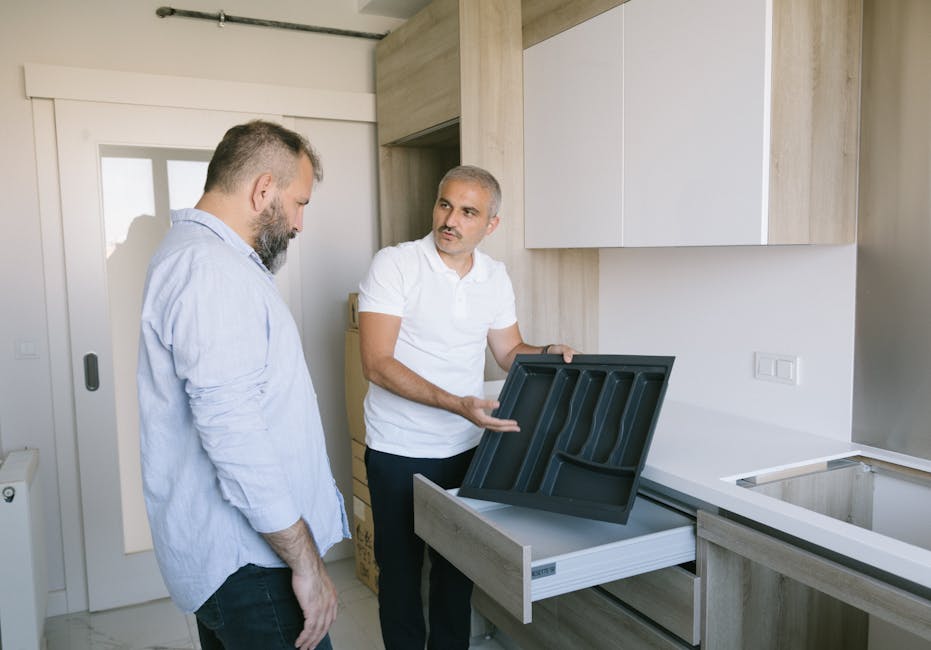
Drawers are the most frequently accessed storage units in any kitchen. However, the standard “one-size-fits-all” plastic tray is rarely an efficient use of space. The depth and width of the drawer should dictate the organizer, not the other way around. There is a significant trade-off between custom-built wooden inserts and modular plastic or silicone systems. For high-traffic kitchens, the ability to remove and wash the organizer is often more valuable than the aesthetic of fixed wood.
Material Science: Bamboo vs. Plastic vs. Steel
Bamboo is frequently marketed as the eco-friendly choice, but it has limitations in a kitchen environment. It is porous and can harbor bacteria if not cleaned meticulously. High-density polypropylene (plastic) is non-porous and dishwasher safe, making it superior for hygiene. Steel mesh is durable but can be noisy and may scratch the interior of the drawer over time. For those prioritizing longevity and cleanliness, high-grade plastic with non-slip silicone feet is the analytical choice.
Product Spotlight: Joseph Joseph DrawerStore Large
Priced at approximately £20 to £30, this unit utilizes an overlapping compartment design to save horizontal space.
- Specs: 40 x 38.5 x 5 cm; fits drawers with a minimum height of 8cm; BPA-free plastic.
- Pro: The angled compartments allow for the storage of a full cutlery set in half the width of a conventional tray, freeing up space for larger gadgets like whisks and tongs.
- Con: In many older UK kitchens with shallow drawers, the handles of the cutlery may catch on the frame, making the drawer difficult to open.
Vertical Solutions for Heavy Cookware and Countertop De-Cluttering

Countertop real estate is the most valuable property in your home. Every appliance or pot sitting on the surface reduces your prep area and increases the effort required to clean the kitchen. Vertical storage—specifically wall-mounted racks and ceiling-hung pot rails—is the most effective way to reclaim this space. This is particularly true for heavy items like Le Creuset dutch ovens or cast-iron skillets which are cumbersome to lift from low base cabinets. By moving these to eye level, you reduce the strain on your back and make the cooking process more fluid.
The Ergonomics of Pot Racks
Storing pots vertically on a wall rack at chest height is ergonomically superior to storing them in a base cabinet. It eliminates the need for deep bending and reaching. However, the structural integrity of the wall is a major variable. A loaded pot rack can easily exceed 50kg. It must be anchored into wall studs or a solid masonry wall; drywall anchors are insufficient and dangerous for this application. If you are renting and cannot drill into walls, consider a heavy-duty freestanding baker’s rack as a vertical alternative.
Product Recommendation: Enclume Bookshelf Wall Rack
Enclume is the industry leader in heavy-duty pot storage, with prices typically ranging from £200 to £450.
- Specs: Hand-forged hot-rolled steel; includes 6-12 hooks; available in stainless steel or hammered steel finishes.
- Pro: Crafted from hot-rolled steel, these racks are essentially indestructible and can hold hundreds of pounds when properly mounted.
- Con: The price point is high, and the installation requires a high level of DIY competence or professional assistance from a handyman.
- Pro: Includes a top shelf for lids or cookbooks, effectively doubling the storage utility of the wall space.
Hardware and Smart Integration: The Future of Kitchen Accessibility
As we look toward the next decade of kitchen design, the integration of motorized hardware and smart sensors is moving from high-end custom builds to the retail market. These solutions address accessibility for aging populations and improve the general user experience by removing physical barriers to storage. For instance, motorized upper cabinet inserts can now lower the entire contents of a high shelf to counter level at the touch of a button, which is a game-changer for those with limited mobility.
The Rise of the “Smart” Under-Sink Area
The area under the sink is traditionally the most disorganized part of the kitchen due to plumbing obstructions. Modern solutions involve U-shaped drawers that wrap around the pipes. Brand names like Simplehuman have pioneered high-end pull-out bins that maximize this awkward space. Their Under-Sink Pull-Out Organizer (approx. £60-£80) features commercial-grade ball-bearing tracks and a removable plastic drip tray.
- Pro: Transforms a chaotic “black hole” into a structured zone for cleaning supplies, keeping chemicals away from food prep areas.
- Con: The fixed dimensions mean it may not fit in cabinets with low-hanging garbage disposals or complex filtration systems.
Smart Lighting in Storage Zones
Lighting is an often-ignored component of storage. You cannot organize what you cannot see. Motion-activated LED strips, which can be purchased through retailers like Currys or Marks & Spencer, are a low-cost, high-impact upgrade. These battery-operated or hardwired strips illuminate the interior of dark cabinets or pantries the moment the door is opened. This simple addition significantly reduces the time spent searching for items and maintains the integrity of your organizational system by ensuring every item is visible even in the deepest corners.
Maintenance and Longevity of Storage Systems
Even the most advanced storage system requires maintenance to remain functional. Over time, mechanical slides can accumulate dust and debris, which increases friction and wears down the ball bearings. A bi-annual inspection of your pull-out systems is recommended. Use a dry silicone spray on the tracks rather than oil-based lubricants, which can attract more dust and create a sticky residue.
Furthermore, periodically check the tension of the screws on your cabinet hinges and drawer fronts. The constant movement of heavy items puts significant stress on these points. A simple tightening once a year can prevent “drawer sag” and ensure that your high-end hardware continues to operate with the same smoothness as the day it was installed. By treating your kitchen storage as a mechanical system rather than just furniture, you ensure a lifetime of efficiency and ease.
Ultimately, the “best” kitchen storage solution is not a single product but a strategy of layering. Start with the hardware—the slides and hinges that make the space accessible. Move to the modular inserts that categorize the inventory based on the Five-Zone methodology. Finally, utilize the vertical planes of the room to keep the workspace clear. By prioritizing functional density over raw volume, even the smallest kitchen can outperform a much larger, poorly planned counterpart. The investment in high-quality hardware like Rev-A-Shelf, Elfa, or Kesseböhmer pays dividends not just in home value, but in the daily reduction of friction in the most used room of the house.