Most people shopping for a vintage-style backpack believe that spending under $40 means accepting a bag that peels, cracks, and looks tired within a year. That belief is, in most cases, based more on worst-case examples than typical performance. The lifespan of a synthetic leather or canvas bag has less to do with material origin and more to do with construction quality — and how consistently it’s maintained.
That’s the same principle governing leather sofas, canvas upholstery, and fabric-covered furniture. Care routines matter as much as material. The people who understand this best aren’t bag collectors — they’re furniture owners who’ve watched a $2,000 leather sofa age well while a neighbor’s identical piece cracked because it sat near a radiator and was never conditioned.
This is not legal advice — consult a licensed attorney for any purchase dispute, warranty claim, or consumer protection issue specific to your situation.
What “PU Leather” Really Means — and What Buyers Consistently Get Wrong
PU stands for polyurethane. It’s a synthetic coating applied over a base material — sometimes split leather, sometimes a non-woven fabric backing — to mimic the texture of full-grain leather. The quality range within that single label is enormous. Calling all PU leather “cheap fake leather” is like calling all canvas “just cloth.”
Low-end PU leather products, with coatings thinner than 0.3mm over weak backing, typically peel within 12–18 months. Mid-range products — which is where most $30–$50 vintage-style bags fall — use thicker coatings and reinforced seams that, when properly maintained, regularly outlast that timeline by years. Courts of consumer opinion have generally found that the peeling problem traces to manufacturing consistency and care habits, not to PU leather as a category.
PU Leather vs Genuine Leather at This Price Point
Full-grain leather vintage daypacks from reputable brands start around $100–$400. Fjällräven, Coronado Leather, and Saddleback Leather occupy that range. At $35.99, any PU leather bag is not competing with those products. It’s offering a vintage aesthetic at a fraction of the price, with specific tradeoffs: no patina development, lower breathability, more sensitivity to UV and heat. The advantages: easier to clean, naturally more water-resistant at the surface, and a consistent appearance that doesn’t require break-in time.
Setting accurate expectations before purchase is the single most important step in this decision. Buyers who treat mid-range PU leather as a maintained everyday option report satisfactory longevity. Buyers who expect Saddleback performance at synthetic pricing tend to be disappointed — and that disappointment is usually expressed in one-star reviews that attribute material failure to the bag rather than the expectation mismatch.
The Peeling Problem — Root Causes and Prevention
Peeling is the defining failure mode of PU leather goods. It happens when the polyurethane coating separates from the backing — most commonly because of UV degradation, harsh cleaning chemicals, or repeated mechanical stress at the same crease point. Furniture care professionals see this with PU leather sofas constantly, and the prevention protocols transfer directly to bags.
Avoid: alcohol-based wipes, acetone, bleach, and oil-based conditioners formulated for genuine leather — mink oil and neatsfoot oil cause darkening and tackiness on synthetic surfaces. Use: silicone-based or water-based synthetic leather conditioners. TriNova Premium Leather Conditioner ($12.99) and Chemical Guys Leather Conditioner ($13.49 for 16oz) work on both genuine and PU leather, including furniture and bags. Apply every three to four months before visible wear appears — not after.
Why UV Exposure Does More Damage Than Most Buyers Expect
Direct sunlight is the single largest accelerant of PU leather degradation. A bag left on a car seat or stored on a sun-facing shelf ages measurably faster than one kept in a closet. This is the same reason leather furniture is recommended away from south-facing windows without UV film — the mechanism is identical. For bag storage: a cotton dust bag or a clean pillowcase blocks UV while allowing airflow. Sealed plastic storage traps moisture and accelerates coating breakdown from the inside.
Before buying any vintage bag online: check product images for close-up seam detail at corners and the base. These are the first failure points regardless of material. Reinforced bar-tack stitching at corners indicates better construction than simple single-stitch seams. Wide beauty shots tell you almost nothing about build quality.
KL928 PU Leather vs Canvas: Specs and Use Cases Compared
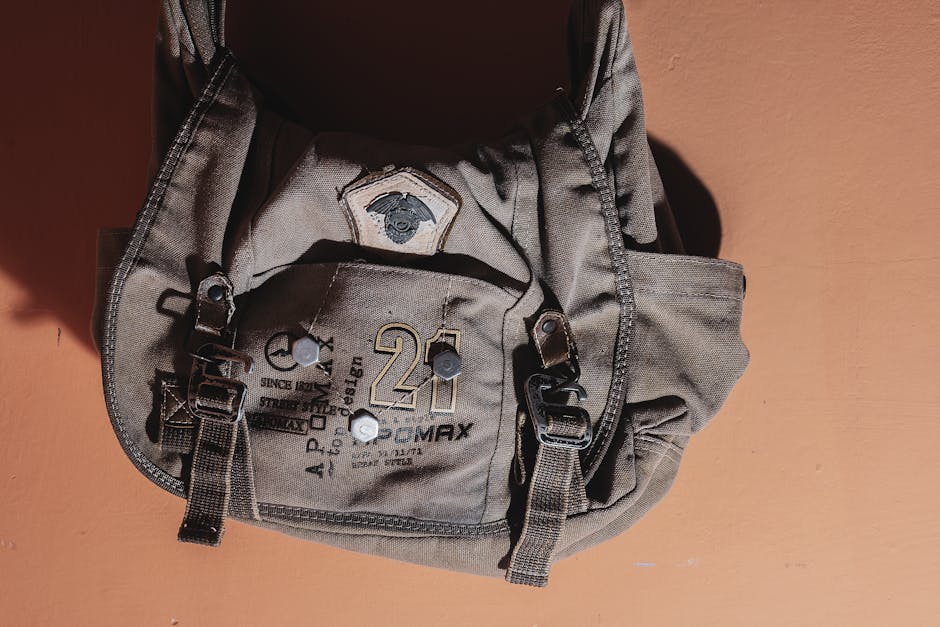
Both KL928 vintage daypacks share the same silhouette, the same large-capacity build, and — notably — the same 4.5/5 rating across 2,024 verified reviews. At that review volume, the rating is statistically meaningful, not a small-sample anomaly. The material decision between them is the only substantive choice.
| Specification | KL928 PU Leather — Coffee ($35.99) | KL928 Canvas — Leaden ($33.99) |
|---|---|---|
| Material | Polyurethane synthetic leather | Woven cotton canvas |
| Buyer Rating | 4.5/5 (2,024 reviews) | 4.5/5 (2,024 reviews) |
| Water Resistance | Moderate — surface wipes clean | Low — absorbs moisture without treatment |
| Breathability | Low — heat builds at back contact | Higher — fabric allows airflow |
| Cleaning | Damp cloth, mild soap only | Machine washable (cold, gentle cycle) |
| Typical Lifespan (with care) | 3–5 years | 5–8 years |
| Aesthetic Register | Polished, structured, formal-casual | Relaxed, textured, outdoor-casual |
| Heat Sensitivity | High — avoid prolonged sun exposure | Low — handles outdoor conditions better |
| Best Environment | Urban commute, office, light travel | Hiking, outdoor, variable weather |
The KL928 PU Leather daypack in coffee is the structured, controlled-environment option — better where appearance is a priority and the bag won’t face significant outdoor stress. The canvas version handles rougher conditions without the cracking and peeling risk that follows PU leather into sustained outdoor use.
Design Matching: Bags and Home Aesthetic
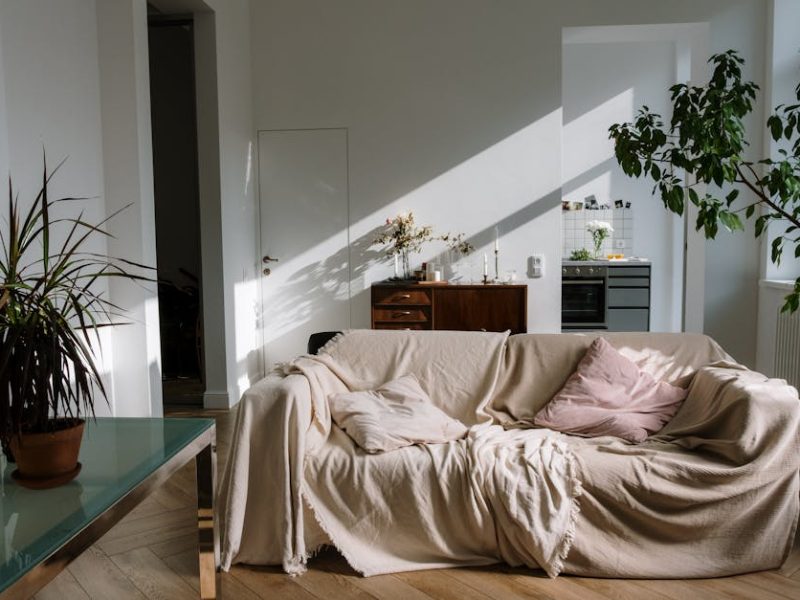
The coffee PU leather colorway pairs naturally with warm, dark wood tones — walnut furniture, leather sofas, amber-toned lighting. If your home or office leans toward that palette, the visual coherence between a leather bag and leather or wood furnishings is genuine, not incidental.
The leaden canvas colorway — a muted slate with cool undertones — reads better against neutral and industrial palettes: concrete surfaces, grey upholstery, matte black fixtures. For spaces built around natural materials like rattan, linen, or raw wood, the canvas texture tends to feel more consistent with the material language of the room.
Matching accessories to interior palette isn’t decoration overthinking — it’s the same logic that explains why furniture designers specify particular wood finishes for specific room styles. Consistency in material tone creates visual coherence that reads as intentional.
Care Protocols for PU Leather and Canvas — What Actually Extends Bag Life
Most bags don’t fail because the material is inferior. They fail because owners skip maintenance until visible damage appears. By that point, intervention is usually cosmetic at best. The following protocols are adapted from both textile care standards and leather furniture maintenance guidelines — the materials are different but the logic is identical.
PU Leather: Monthly and Seasonal Protocol
Monthly: Wipe the exterior with a barely damp microfiber cloth. No soap needed for routine cleaning — soap residue accumulates in surface texture and can cause tackiness over repeated applications. For visible soiling, a small amount of diluted mild dish soap is acceptable; follow with a clean damp cloth and allow to dry fully before storing.
Seasonal: Apply a thin, even coat of synthetic leather conditioner. Leather Honey ($15.95 for 8oz) works on both genuine and synthetic leather. Apply with a soft cloth in circular motions, allow 10–15 minutes to absorb, and buff off any excess. Do not use mink oil — it darkens PU surfaces and makes them tacky.
For storage during extended non-use: stuff lightly with acid-free tissue paper to maintain shape, and store in a breathable cotton bag in a shaded, cool location. Sealed plastic bags trap moisture and accelerate coating breakdown from the inside — the same reason leather furniture should never be covered in plastic sheeting during storage.
Canvas Care: What Most Instruction Sheets Leave Out
Canvas is more forgiving than PU leather in most outdoor conditions but carries one significant vulnerability: moisture absorption. Untreated canvas saturates quickly in rain and takes considerable time to dry, increasing mildew risk. The fix is simple — but it needs to happen before the bag gets wet, not after.
Apply a spray-on waterproofing treatment before first use. Nikwax Cotton Proof ($10–$14 for 300ml) is formulated specifically for cotton and leaves no visible residue. Scotchgard Fabric and Upholstery Protector ($8–$12) is widely available as an alternative. Reapply annually, or after machine washing, since washing removes the treatment. The KL928 canvas daypack in leaden grey performs significantly better in variable weather after this one pre-use step.
Machine wash canvas bags on cold, gentle cycle — air dry only. Heat from a dryer distorts lining materials and can damage any leather trim. Washing frequency should be every two to three months for daily-use bags. Over-washing accelerates thread wear and fades color in dyed canvas.
Storage Habits That Apply to Both Materials
Hang bags vertically when not in use rather than stacking or leaving them base-down. Sustained compression at the base stresses bottom seams — the most common structural failure point in any bag construction. This mirrors the advice for leather furniture cushions: rotating and decompressing them extends seam integrity by years.
Keep bags away from radiators, heating vents, and south-facing windows. Consistent heat exposure breaks down adhesives used in lining attachment over 12–18 months, regardless of exterior material. This applies equally to a $35 daypack and a $350 leather tote.
Four Buyer Mistakes That Explain Most One-Star Reviews
Reading negative reviews for vintage-style bags in the $30–$40 range reveals a consistent pattern. The complaints are rarely about material quality in isolation. They’re about mismatched expectations, wrong cleaning products, and avoidable use errors.
- Expecting genuine leather durability from synthetic leather pricing. A $35 PU leather bag is not a Saddleback Leather weekender at $295. The performance ceiling is lower. Buyers who calibrate expectations accurately report significantly higher satisfaction rates.
- Using alcohol wipes or disinfectant sprays on the exterior. This is the fastest route to surface cracking and peeling in PU leather. Alcohol degrades polyurethane coatings rapidly. Consumer protection claims for this type of damage have generally not succeeded — most manufacturer warranties in the United States do not cover damage caused by non-recommended cleaning agents.
- Overpacking and storing the bag compressed. Forcing a daypack beyond its designed capacity and leaving it stuffed compresses seams at their weakest angles. Most premature stitching failures trace back to this single habit, not material quality.
- Skipping canvas waterproofing until after the first rain. Post-exposure treatment bonds less effectively to already-damp or soiled fabric. The pre-use step takes four minutes. Skipping it and treating it as optional is the most common preventable canvas care mistake at this price point.
This is not legal advice — consult a licensed attorney for any warranty dispute or specific consumer protection question in your state.
When Canvas Is the Clearly Better Choice
Canvas wins for outdoor use. Full stop.
For hiking, variable weather, and any use case involving heat and physical activity, the canvas version is the stronger long-term investment — despite costing $2 less upfront. The typical lifespan advantage (5–8 years vs 3–5 years for PU leather) holds up across honest consumer analysis at this price point. Canvas also wins on maintenance cost: machine washable versus conditioner-dependent, the total ownership cost favors canvas for buyers who want low-overhead daily use.
PU leather earns its place in a narrower context: structured, climate-controlled environments where aesthetics matter and conditions are predictable. For someone whose home office runs on warm wood tones and leather furniture, the coffee PU leather KL928 at $35.99 is a coherent visual choice that complements rather than conflicts with that material palette.
The misconception that opened this discussion — that sub-$40 synthetic materials inevitably fail within a year — turns out to be a care story more than a material story. Buyers who apply conditioner before the first crack appears, keep the bag out of direct sun, and avoid alcohol-based cleaners report multi-year satisfaction consistently. The bags that failed quickly were almost always subjected to cleaning products that shouldn’t touch synthetic surfaces, or stored in conditions that accelerate degradation in any material. Choose based on where the bag is actually going. The maintenance, in most cases, makes the difference between a bag that lasts and one that doesn’t.