Most people think expensive outdoor furniture lasts longer because it’s “better quality.” That’s wrong. A $2,000 wicker set from a big-box store can disintegrate in two summers. A $400 aluminum bench from a restaurant supply company might last fifteen years. The difference isn’t price. It’s material science—and most buyers never learn it until they’re hauling rusted frames to the curb.
I’ve watched neighbors cycle through three patio sets in five years while my powder-coated aluminum chairs look exactly the same as the day I bought them. This isn’t luck. It’s knowing what actually kills outdoor furniture and which materials resist those forces.
Durability isn’t a brand promise. It’s a physics problem. UV radiation breaks down polymers. Moisture rots cellulose. Thermal expansion cracks welds. Salt air corrodes metals. Your furniture is fighting four enemies simultaneously. Most materials lose. A few win.
This article covers which materials win, why, and how to spot the difference before you spend money.
The Four Enemies of Outdoor Furniture (And Which Materials Beat Each One)
Every piece of outdoor furniture faces the same four destruction vectors. The material you choose either resists them or doesn’t. Here’s the breakdown.
| Destruction Vector | What It Does | Materials That Resist It | Materials That Fail |
|---|---|---|---|
| UV Radiation | Degrades polymers, fades colors, makes plastics brittle | Powder-coated aluminum, teak, HDPE lumber, stainless steel | Untreated polypropylene, natural wicker, low-grade resin, painted wood |
| Moisture & Humidity | Rots cellulose, rusts ferrous metals, swells wood fibers | Teak, aluminum, HDPE, marine-grade stainless steel (316) | Untreated pine, wrought iron without maintenance, eucalyptus, particleboard-core anything |
| Thermal Cycling | Expansion/contraction cracks joints, loosens fasteners | HDPE lumber, aluminum, teak (naturally stable) | Hollow steel tubing, poorly-welded iron, mixed-material frames with different expansion rates |
| Salt Air | Accelerates corrosion, pits metal surfaces | 316 marine-grade stainless, HDPE, teak, thick powder-coated aluminum | 304 stainless (pits), chrome-plated steel, wrought iron, any exposed ferrous metal |
The pattern is clear. Three materials appear in the “resist” column for every threat: powder-coated aluminum, genuine teak, and HDPE lumber. If you live anywhere with real weather, your search should start and mostly end with these three.
Powder-Coated Aluminum: The Undisputed Champion
Aluminum can’t rust. That’s not a coating feature—it’s chemistry. Iron oxidizes into rust. Aluminum oxidizes into aluminum oxide, which forms a hard, transparent shell that protects the metal underneath. It self-heals. Scratch it, and the exposed aluminum instantly forms a new oxide layer.
The powder coating adds UV protection and color. Unlike wet paint, powder coating is electrostatically applied and heat-cured into a molecular bond. It doesn’t peel. It doesn’t bubble. When you see “chalking” on cheap powder coating, that’s the resin breaking down from UV exposure—a sign of low-quality polyester resin in the powder. Good powder coating uses TGIC-free polyester or polyurethane blends that resist chalking for 10-15 years minimum.
Look for frames labeled “extruded aluminum” not “cast aluminum.” Extruded is stronger per pound, has consistent wall thickness, and resists cracking at joints. Cast aluminum is cheaper, more brittle, and hides porosity defects that trap moisture. Restaurant-grade aluminum chairs like the Tropitone Classic collection use extruded aluminum with reinforced stress points. They cost more but last decades.
Genuine Teak: The Wood That Ships Use
Teak contains natural silica and high oil content. Those oils repel water, resist fungi, and prevent the cellular collapse that rots other woods. The silica makes it dense enough that insects can’t easily bore into it. Ships used teak decking for centuries because salt water and sun barely affect it.
But there’s a catch: plantation teak is not old-growth teak. Old-growth trees (60-80 years) produce wood with tight grain and high oil density. Plantation teak harvested at 15-20 years is less dense, lower in oil, and more prone to cracking. You can’t visually tell the difference in a showroom photo. You need to ask the retailer for the source country and harvest age. Indonesian and Burmese teak from government-managed plantations (Perum Perhutani in Indonesia) tend to have stricter age minimums than privately-owned plantations.
Teak turns silver-gray when left untreated. That’s cosmetic, not structural. Don’t oil it unless you want to maintain the honey color forever—once you start oiling, you’re locked into a maintenance cycle. Let it gray and it’ll still last 25+ years.
HDPE Lumber: Recycled Plastic That Outperforms Wood
High-Density Polyethylene lumber is what brands like POLYWOOD and Trex Outdoor Furniture use. It’s essentially milk jugs and detergent bottles melted down, mixed with UV stabilizers and colorants, then extruded into boards. It cannot rot. It cannot absorb water. Bugs don’t eat it. It doesn’t splinter.
The downside: it’s heavy. A single POLYWOOD Adirondack chair weighs about 37 pounds. That’s great in wind (they don’t blow away) but annoying if you rearrange furniture frequently. HDPE also expands and contracts noticeably with temperature—about 1/4 inch per 8-foot board between summer and winter. Quality manufacturers account for this with slotted screw holes and flexible fasteners. Cheap HDPE furniture uses rigid connections that crack at the screw points within two years.
HDPE is the best choice for coastal properties where salt spray eats everything. It’s also the lowest-maintenance option. Hose it off. That’s the entire care routine.
Materials That Look Durable But Aren’t
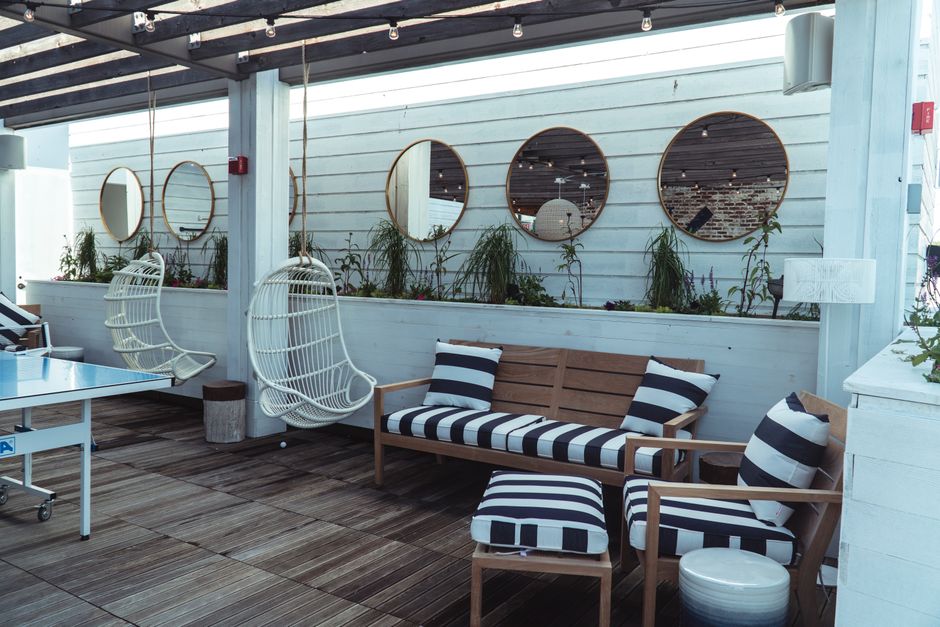
Some materials are designed to look substantial in the showroom and fail quickly in the real world. These are the ones that generate the most warranty claims.
Resin Wicker (PE Rattan)
Polyethylene rattan—the synthetic wicker wrapped around aluminum or steel frames—is wildly inconsistent. The PE itself can last 5-7 years if it’s high-density with UV inhibitors. But the frame underneath determines actual lifespan. Cheaper sets use powder-coated steel frames that rust from the inside out. You can’t see the rust until the wicker starts sagging, and by then the frame is structurally compromised.
If you buy resin wicker, demand a fully-welded aluminum frame. Sunset West and Lloyd Flanders both use aluminum frames with their wicker. Big-box store brands often use steel. The price difference is the frame metal, not the wicker quality.
Wrought Iron (Without Maintenance Commitment)
Wrought iron is incredibly strong. It also rusts aggressively the moment its paint coating gets scratched. If you live in a dry climate (Arizona, inland California) and store cushions indoors, wrought iron can last decades. If you live anywhere with humidity or rain, you’ll be sanding and repainting every 2-3 years. Most people won’t do that. Don’t buy wrought iron unless you genuinely enjoy maintenance as a hobby.
Eucalyptus and Acacia
These hardwoods are sold as “teak alternatives” at roughly 40% of the price. They’re not alternatives. Both lack teak’s oil content and silica density. Eucalyptus rots in 3-5 years of ground contact. Acacia cracks dramatically with temperature swings. They can work if you apply penetrating oil every 3 months and store them under cover during winter. But that’s a maintenance schedule most buyers don’t follow. The “teak alternative” marketing is misleading—these woods perform more like pine than teak.
Cushions and Fabric: The Fastest-Failing Component
Frames last. Fabric dies first. Most outdoor cushions fail within 18-24 months because buyers focus on the furniture material and treat cushions as an afterthought.
Solution-dyed acrylic is the only fabric worth buying for outdoor use. Sunbrella dominates this category, with Outdura and Tempotest as credible alternatives. The key phrase is “solution-dyed.” In solution dyeing, pigment is added to the liquid polymer before the fiber is extruded. The color runs through the entire fiber—it can’t wear off because it IS the fiber. Printed or piece-dyed fabrics have color sitting on the surface, where UV radiation strips it within months.
Sunbrella fabrics carry a 5-year warranty against fading. In practice, they often last 10+ years before noticeable color loss. The fabric itself can withstand bleach cleaning without damage—a feature no polyester cushion cover can match.
What matters beyond the fabric: the foam inside. Open-cell foam drains water but collapses faster. Closed-cell foam resists compression but can trap moisture if the cover isn’t breathable. The best combination is high-resiliency open-cell foam wrapped in a thin layer of Dacron batting, inside a Sunbrella cover with a mesh bottom panel for drainage. This is what brands like Brown Jordan and Janus et Cie specify. It costs more. It also doesn’t turn into a moldy pancake after one rainy season.
Skip cushions with sewn-in zippers that face upward. Water pools on the zipper tape and wicks inside. Look for zippers on the underside or, better, envelope-style closures with overlapping fabric flaps.
Construction Details That Predict Lifespan
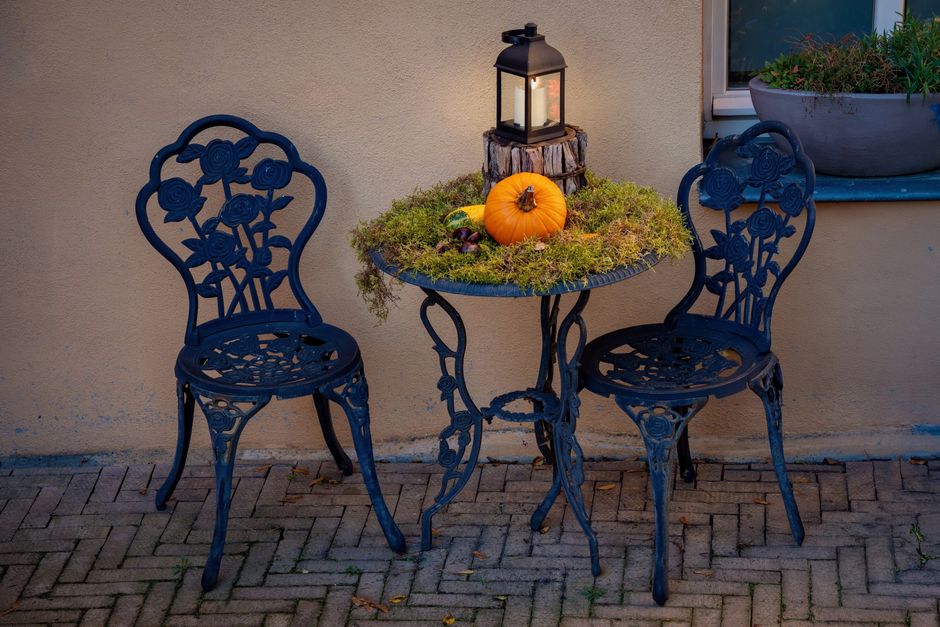
You can evaluate outdoor furniture durability in a showroom in about 90 seconds if you know what to check.
Weld quality: On aluminum frames, look at the weld beads. Smooth, consistent beads with no pitting indicate TIG welding by someone who knew what they were doing. Lumpy, spattered beads suggest MIG welding at speed. Both can hold, but TIG welds are less likely to develop stress cracks because the heat-affected zone is smaller and more controlled.
Fasteners: Any screw or bolt visible on outdoor furniture should be stainless steel. 304 grade is acceptable inland. 316 grade is necessary within 10 miles of salt water. If a magnet sticks to the fastener, it’s not stainless—it’s zinc-plated steel and it will rust within a year. Bring a small magnet to the store. It’s the single fastest quality test available.
Joinery: Mortise-and-tenon joints on teak furniture indicate traditional construction that accommodates wood movement. Butt joints with dowels and glue will separate as the wood expands and contracts. For aluminum, look for welded joints rather than mechanical fasteners at major stress points. Bolts loosen. Welds don’t.
Floor contact points: Chair legs and table feet should have plastic glides or adjustable levelers. Bare metal or wood sitting directly on wet pavement will wick moisture and degrade faster at the contact point. This is a $2 part that separates furniture designed for real outdoor use from furniture designed for covered porches.
Weight: Heavier is almost always better in outdoor furniture, with the exception of materials you need to move frequently. A chair weighing less than 15 pounds will blow over in moderate wind. A chair weighing 35+ pounds will stay put. Weight correlates with material thickness and frame density—both durability indicators.
What Actually Matters vs. What Marketing Says Matters
The outdoor furniture industry sells warranties, brand heritage, and style. None of those predict how long your furniture will last.
Warranties are structured to limit liability, not guarantee performance. Most “10-year frame warranties” cover manufacturing defects only—not rust, not fading, not normal wear. Read the exclusions section. If rust is excluded, the warranty is worthless for outdoor furniture. A few companies like POLYWOOD offer genuine 20-year limited warranties that include fading and structural failure. Those warranties reflect material confidence, not marketing.
Brand heritage means nothing if manufacturing moved. Several once-excellent outdoor furniture brands were acquired by private equity firms that shifted production to lower-cost factories. The brand name stayed. The aluminum gauge got thinner. The powder coating formulation got cheaper. Don’t assume a brand you trusted ten years ago makes the same product today.
Style should be the last filter, not the first. Pick your material first based on your climate and maintenance tolerance. Then find the style you want within that material category. Buying a beautiful wrought iron set for a humid coastal home because you love the look guarantees frustration. The material must match the environment.
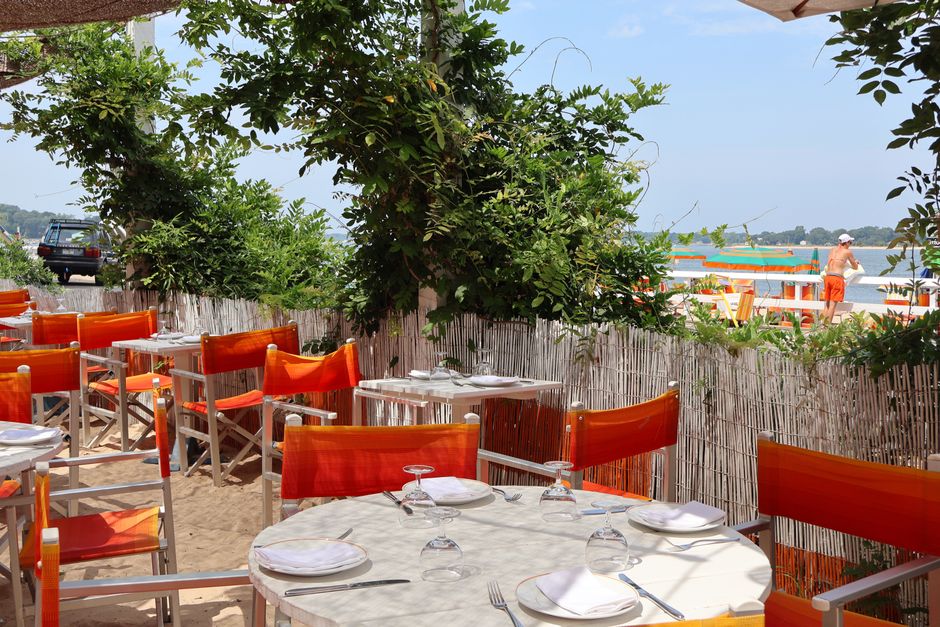
One final point: the best durability test is commercial use. Furniture designed for restaurants, hotels, and resorts faces more abuse in one season than residential furniture faces in a decade. If you want to know what actually lasts, look at what companies like Contract Furniture Solutions or Tropitone sell to hospitality buyers. Those catalogs don’t include anything that fails in two years—their business model depends on products surviving constant use with minimal maintenance.
Buy the material, not the story.