Many people assume effective air purification means spending hundreds, sometimes thousands, of dollars. They see a low price tag on a Kmart air purifier and immediately dismiss it as ineffective or just a fancy fan. This isn’t always true. While Kmart’s offerings might not compete with high-end brands on every feature, they absolutely have a place in improving indoor air quality for many homes. The trick is understanding what you’re actually getting and what your specific needs are.
It’s important to cut through the marketing noise and focus on the core technology. A budget purifier can still make a noticeable difference, especially in smaller spaces or for general dust and odour reduction. However, it won’t be a miracle worker for severe allergies in a sprawling open-plan house. We need to look at the specifications, the filter types, and the stated coverage to determine genuine value.
Kmart Air Purifiers: Are They Actually Any Good?
Yes, Kmart air purifiers can be surprisingly good for their price point, provided your expectations align with what budget devices offer. The core function of any effective air purifier relies on its filtration system, primarily a HEPA filter combined with an activated carbon filter. Kmart’s Anko range, for instance, often includes these essential components. What you typically pay more for in higher-end models are advanced features, quieter operation, larger coverage areas, and often a more robust build quality.
Consider the Anko Air Purifier with HEPA Filter, a common sight at Kmart for around $89. This unit usually features a true HEPA filter, capable of capturing 99.97% of airborne particles as small as 0.3 microns. This includes dust, pollen, pet dander, and mould spores. It also typically incorporates an activated carbon layer to tackle odours from cooking, pets, or general household smells. For a small to medium-sized bedroom (around 15-20 square metres), this combination can significantly improve air quality. It might not have Wi-Fi connectivity or a detailed PM2.5 display, but it performs the fundamental task of filtration effectively.
The Core of Air Purification: HEPA and Activated Carbon
A true HEPA filter is non-negotiable for serious air purification. It’s not just a fancy marketing term; it refers to a specific standard of filtration. If a Kmart purifier states it uses a "HEPA-type" or "HEPA-like" filter, be cautious. These often don’t meet the strict efficiency standards of a true HEPA filter. Always look for "True HEPA" or "HEPA H13" in the product description. The activated carbon layer is crucial for gaseous pollutants and odours, which HEPA filters alone cannot trap. Both work in tandem to give a comprehensive clean.
Understanding CADR Ratings
CADR stands for Clean Air Delivery Rate. This metric indicates how quickly an air purifier can remove pollutants from a room. It’s measured in cubic metres per hour (m³/h) or cubic feet per minute (CFM) for three common pollutants: pollen, dust, and smoke. A higher CADR means faster and more effective cleaning for a given room size. Kmart purifiers generally have lower CADR ratings compared to premium models, which means they are best suited for smaller rooms. For example, the Anko Air Purifier might have a CADR suitable for a 15-20m² room, while a premium purifier could handle 50m² or more. Always check the CADR against the actual size of the room you intend to use it in.
Not All Filters Are Created Equal
While Kmart’s filters get the job done, their lifespan and availability are key considerations. Replacement filters for Kmart (Anko) models typically cost around $15-$25 and are generally easy to find in-store or online. However, some higher-end purifiers use larger, multi-stage filters that, while more expensive upfront (e.g., $50-$100), can last longer or offer additional layers of protection, such as antimicrobial coatings. The filter quality also impacts airflow and noise. Cheaper filters might restrict airflow more quickly as they clog, leading to reduced efficiency and increased motor strain. Always factor in the cost and frequency of filter replacements when assessing long-term value.
Comparing Kmart’s Budget-Friendly Air Purifiers

Kmart typically offers a few models under their Anko brand, catering to different needs and budgets. It’s worth comparing their key specifications to decide which might be the best fit for your home. While specifics can vary by stock and season, these are common types.
| Feature | Anko Mini Air Purifier | Anko Air Purifier with HEPA Filter | Anko Smart Air Purifier |
|---|---|---|---|
| Typical Price | $29-$35 | $79-$89 | $109-$129 |
| Room Size (approx.) | 5-8 m² (small office, bedside) | 15-20 m² (bedroom, small living) | 20-25 m² (medium living, larger bedroom) |
| Filtration | HEPA-type, pre-filter | True HEPA (H13), Activated Carbon, Pre-filter | True HEPA (H13), Activated Carbon, Pre-filter |
| CADR (approx.) | 20-30 m³/h | 120-150 m³/h | 180-200 m³/h |
| Noise Level | 35-45 dB (low to medium) | 30-55 dB (low to medium-high) | 28-58 dB (very low to medium-high) |
| Extra Features | Compact, USB-powered | 3 fan speeds, timer, filter indicator | Wi-Fi control, app integration, PM2.5 display, Auto mode |
| Filter Cost (replacement) | $10-$15 | $18-$25 | $20-$30 |
Anko Mini Air Purifier
This compact unit, often priced around $30, is designed for extremely small spaces. Think your desk at work, a small bathroom, or right next to your bed. It’s usually USB-powered and very portable. While it offers some filtration, it often uses a "HEPA-type" filter, meaning it might not meet the strict 99.97% efficiency of a true HEPA. Its effectiveness is limited, but for targeted, personal air cleaning against dust and minor allergens, it’s a very affordable starting point. Don’t expect it to purify a whole room.
Anko Air Purifier with HEPA Filter
The standard Anko Air Purifier, often found for under $90, is arguably Kmart’s best value proposition for general household use. It reliably includes a true HEPA (H13) filter and an activated carbon layer. This combination is effective for most common indoor air pollutants in a typical bedroom or small living area. It offers multiple fan speeds and often a timer function. While it lacks smart features, its primary job of filtering air is well-executed for its price point. This is often the clear winner for basic, effective air cleaning on a budget.
Filter Lifespan and Replacement Costs
Regardless of which Kmart model you choose, understanding filter lifespan is crucial. Most Kmart air purifier filters are designed to last 6-12 months, depending on usage and air quality. Running the purifier continuously in a dusty environment will obviously shorten this. Replacing filters is non-negotiable; a clogged filter not only stops cleaning the air effectively but can also become a breeding ground for bacteria or mould, and strain the motor. Always factor in the $10-$30 annual cost of replacement filters when considering the long-term budget of a Kmart air purifier.
Beyond the Price Tag: What to Look For in Any Air Purifier
Choosing an air purifier, even a budget one, involves more than just picking the cheapest option. These considerations apply buying from Kmart or a high-end specialist.
-
Room Size Match
The most common mistake is buying an air purifier that’s too small for the room. Manufacturers provide a recommended room size or a CADR rating. For effective purification, the purifier should be able to process the air in your room at least 4-5 times per hour. If you have a 20m² room with a 2.4m ceiling (total volume of 48m³), you need a CADR of at least 192 m³/h (48 * 4). Undersizing means the unit will run constantly, work inefficiently, and likely not achieve the desired air quality improvement. Always measure your room and check the purifier’s specifications carefully.
-
Noise Levels Matter
An air purifier is often a constant presence in your home. Noise levels, measured in decibels (dB), are critical, especially for bedrooms or quiet living areas. While Kmart purifiers are often louder on their highest settings (50-60dB, comparable to a quiet conversation or refrigerator hum), ensure the lowest setting is tolerable. Many people find anything above 40dB disruptive for sleeping. Look for models that specify a "sleep mode" or have very low dB ratings on their lowest fan speed. A purifier that’s too noisy will end up sitting unused in a cupboard.
-
Energy Consumption
Air purifiers run for many hours a day, so their energy consumption adds up. Check the wattage of the unit. Kmart’s smaller purifiers are typically very energy efficient (e.g., 5-25W), costing only a few cents a day to run. Larger, more powerful units can draw more, especially on high settings. While an individual unit might not seem like much, consider the cumulative effect if you plan to run multiple purifiers across your home. Look for energy efficiency ratings or specific power consumption figures.
The Trade-Offs: When a Kmart Purifier Might Not Be Enough

While Kmart offers solid entry-level air purification, there are scenarios where their budget models will simply fall short. It’s important to be realistic about these limitations, rather than expecting a sub-$100 unit to perform like one costing five times as much. Understanding these trade-offs helps you decide if a Kmart option is genuinely suitable for your specific needs, or if you need to invest more.
For instance, their CADR ratings, while decent for smaller rooms, are rarely sufficient for large, open-plan living areas commonly found in modern homes. You’d need multiple Kmart units, strategically placed, to achieve similar air changes per hour as a single, more powerful, and expensive purifier. This multi-unit approach can quickly negate the initial cost savings, especially when factoring in the increased number of filter replacements. Furthermore, the noise levels, while acceptable on low settings, can become quite pronounced on higher fan speeds, making them less ideal for quiet spaces like studies or bedrooms if you require maximum filtration. The construction quality, too, reflects the price; while functional, they might not withstand years of heavy use or minor bumps as robustly as premium brands.
Severe Allergies and Asthma
Individuals with severe allergies, asthma, or other respiratory sensitivities often require consistent, high-level air purification. This means not only a true HEPA and activated carbon filter but also a very high CADR for their specific room size, ensuring frequent air changes. Kmart purifiers, with their modest CADR ratings, might struggle to keep up with the allergen load in such cases. Higher-end purifiers often feature more advanced filtration stages, such as medical-grade HEPA filters, or specialized filters for specific pollutants, which Kmart models typically lack. For sensitive individuals, investing in a unit with greater capacity and certified performance from brands like Philips or Levoit often proves more effective and reassuring.
Large Open-Plan Areas
Modern homes frequently feature large, open-plan living, dining, and kitchen areas that can span 50 square metres or more. A Kmart air purifier, even their larger Anko Smart Air Purifier, which covers around 25m², simply won’t be able to effectively clean such a vast space. You would need to place multiple units throughout the area, which can be visually intrusive and increase overall noise and filter replacement costs. For these larger spaces, a single, powerful purifier specifically designed for high CADR and extensive coverage is a much more practical and efficient solution, despite the higher upfront cost.
Advanced Features You’ll Miss
While Kmart’s Anko Smart Air Purifier offers Wi-Fi connectivity, it’s still relatively basic compared to premium models. You’ll miss out on features like accurate laser-based PM2.5 sensors that provide real-time air quality readings, auto modes that intelligently adjust fan speed based on detected pollution, quiet sleep modes with ultra-low noise, or sophisticated app control with scheduling and usage analytics. Some advanced purifiers also include UV-C light for germ killing or ionizers (though these come with their own debates about ozone production). These features contribute to a more seamless, intelligent, and hands-off air purification experience that Kmart’s budget offerings cannot match.
The Verdict: Kmart’s Place in Your Air Quality Strategy
Kmart air purifiers are a genuine option for those on a tight budget or with specific, smaller-scale needs. They deliver foundational air cleaning effectively. Don’t expect miracles for large spaces or severe conditions, but for a bedroom or small office, they offer undeniable value.
Maximising Your Purifier’s Life: Essential Maintenance Tips
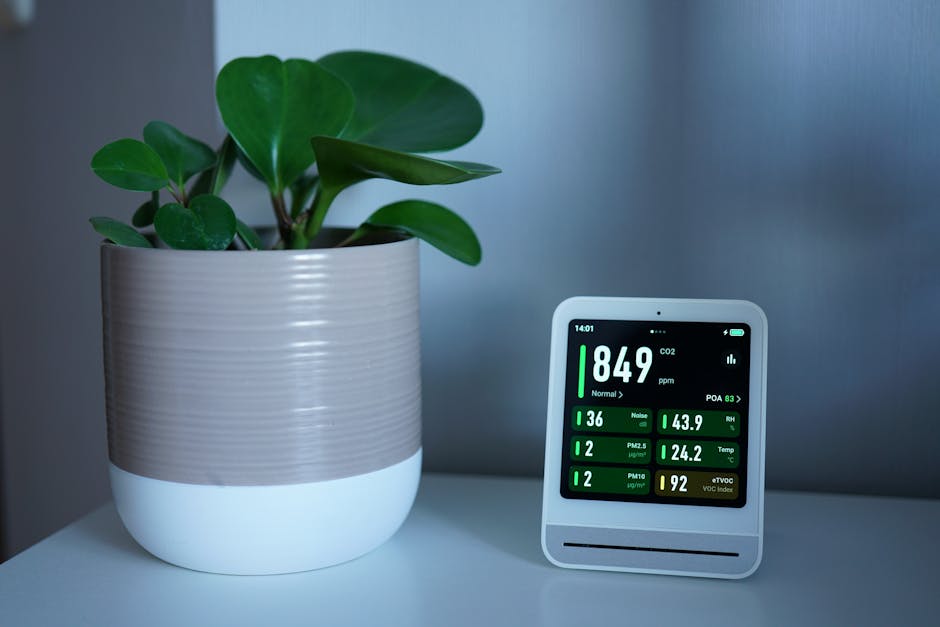
Getting the most out of your Kmart air purifier means consistent, proper maintenance. Neglecting this will quickly diminish its effectiveness and shorten its lifespan, turning a good budget buy into a waste of money. These tips apply to almost any air purifier, regardless of brand.
How Often Should I Clean or Replace Filters?
- Pre-filter: The first line of defense, often a mesh screen, should be cleaned every 2-4 weeks. Simply vacuum or rinse it under water (ensure it’s completely dry before putting it back). This keeps larger dust particles from clogging the more delicate HEPA filter.
- HEPA and Activated Carbon Filters: These generally need replacing every 6-12 months. The Anko Air Purifier models usually have a filter indicator light that will signal when it’s time. Don’t try to wash HEPA or activated carbon filters; this damages their structure and renders them ineffective. Always replace them with genuine Kmart (Anko) replacement filters to ensure fit and performance.
- Usage Impact: If you run your purifier 24/7 or live in a particularly dusty environment (e.g., near construction, with multiple pets), you might need to replace filters closer to the 6-month mark. Pay attention to reduced airflow or increased odours as signs of a saturated filter.
Where is the Best Place to Put an Air Purifier?
- Central Placement: For optimal air circulation, place the purifier in the most central part of the room, away from walls and furniture that might block its air intake or output. It needs space to draw in and release air effectively.
- Near the Source: If you’re targeting a specific issue, like pet dander, place the purifier closer to where your pet spends most of its time. For cooking odours, position it in the kitchen or an adjacent living space during and after cooking.
- Elevated Position: Dust and allergens often settle on surfaces. Placing the purifier on a small table or stand (not directly on the floor) can sometimes improve its ability to capture these particles as they become airborne.
- Avoid Corners: Corners restrict airflow. Keep at least 15-30 cm of space around all sides of the unit.
What About Ionizers and UV-C Lights?
- Ionizers: Some purifiers, including very occasionally budget models, might include an ionizer. These release negatively charged ions that attach to airborne particles, causing them to fall out of the air. While effective, ionizers can sometimes produce ozone, which is a lung irritant. Kmart purifiers typically stick to passive filtration, avoiding this concern. If a unit does have an ionizer, ensure it’s specifically labelled as "ozone-free."
- UV-C Lights: UV-C light is sometimes integrated to kill bacteria and viruses. While potentially beneficial, its effectiveness in a small, fast-moving air stream within a purifier is debated. It’s often more of a marketing feature than a primary reason to buy. Kmart purifiers rarely include this technology, which keeps costs down and simplifies maintenance.
The world of home air purification is always evolving, with new technologies and smarter features emerging. What’s considered "basic" today often becomes highly effective and affordable tomorrow. For now, the key is knowing that genuine air quality improvement doesn’t always demand a premium price tag, but it always demands informed choices.