
Ever spent an afternoon wrestling with dull pruners or a flimsy shovel, only to end up with sore hands and half the work done? Gardening should be a joy, not a battle against your own equipment. Choosing the right tools can make all the difference, turning arduous tasks into satisfying accomplishments.
Why Your Current Tools Are Likely Failing You
Many gardeners underestimate the impact of their tools. It’s easy to grab the cheapest option at the hardware store, assuming all shovels are created equal. This thinking leads to frustration, inefficiency, and often, injury. The problem isn’t usually your gardening skill; it’s the gear holding you back.
Poor Material Choices: The Hidden Costs
Think about a shovel. If it bends or dulls after a few encounters with stubborn roots, its steel quality is probably poor. Tools made from inferior materials often feature thin gauge metals, plastic components where strength is needed, or poorly heat-treated blades. These materials quickly succumb to rust, break under stress, or simply fail to hold an edge. A cheap trowel might feel fine for a few plantings, but repeated digging in compacted soil will expose its weaknesses. Handles can splinter, heads can detach, and blades can warp. This constant cycle of replacement doesn’t save money in the long run; it drains your wallet and your enthusiasm.
Consider pruning shears. Cheap blades might cut woody stems initially, but they quickly lose their sharpness, leading to ragged cuts that damage plants and invite disease. The pivot points often loosen, causing misalignment and making clean cuts impossible. Investing a little more upfront in tools made from high-carbon steel, forged construction, and durable hardwoods or composites pays dividends in longevity and performance.
Ergonomics: More Than Just Comfort
Ergonomics refers to the design of equipment to maximize productivity by reducing operator fatigue and discomfort. With garden tools, this means handles that fit your hand, shafts that provide proper leverage, and weights that feel balanced. Many mass-produced tools are designed as one-size-fits-all, ignoring the nuances of human anatomy.
Using a shovel with a shaft that’s too short forces you to stoop, straining your back. A trowel with a narrow, uncomfortable grip can cause blisters and hand fatigue after just a few minutes of work. Pruners that require excessive hand strength or have an awkward closing mechanism can lead to repetitive strain injuries. Good ergonomic design minimizes the stress on your joints and muscles, allowing you to work longer and more comfortably. Look for features like cushioned grips, rotating handles, and adjustable blade tension on pruners. Tools should feel like an extension of your arm, not an obstacle.
Using the Wrong Tool for the Task
This is a common pitfall. Trying to pry out a deep-rooted weed with a hand trowel, for example, is a recipe for frustration and a broken tool. Similarly, attempting to cut a thick branch with small bypass pruners will damage both the plant and the tool’s blade. Each garden task has a specific tool designed for it, optimizing efficiency and minimizing effort.
A round-point shovel is ideal for digging holes and moving loose material, while a flat-head spade excels at edging and cutting through roots. For weeding, a Dutch hoe skims the surface, while a stirrup hoe slices weeds just below the soil line. Understanding the specialized function of each tool is crucial. It’s not about owning every single tool available, but about having the right core set and knowing when to deploy each one effectively. Mismatched tools lead to wasted energy, poor results, and a higher chance of breaking your equipment.
The Core Trio Every Gardener Needs

Before diving into specific brands and models, let’s establish the absolute essentials. These three tools form the backbone of almost any gardening endeavor, from container planting to maintaining a sprawling backyard.
-
Hand Pruners: Precision for Healthier Plants
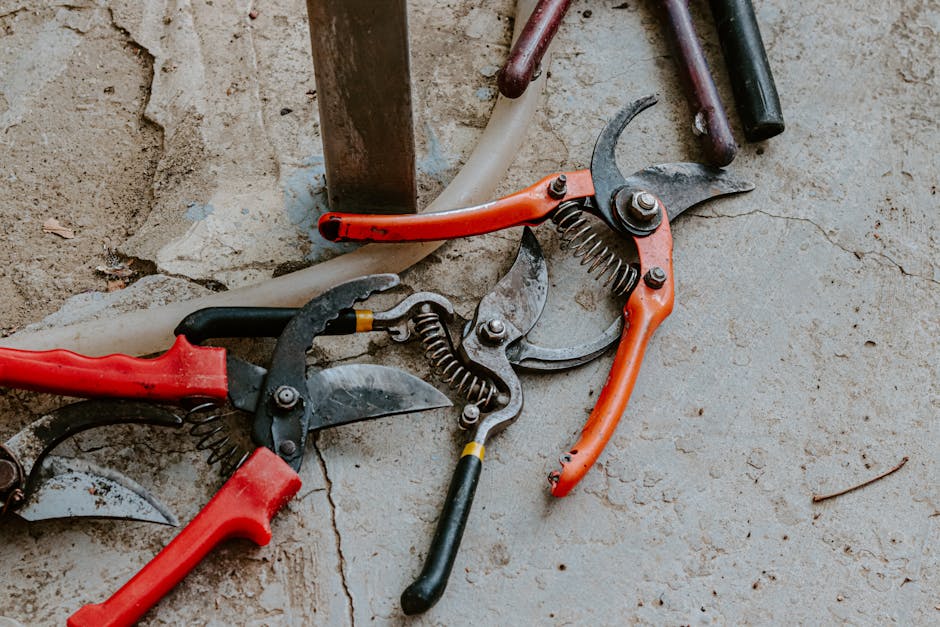
A good pair of hand pruners is non-negotiable. They are used for deadheading flowers, snipping herbs, light pruning of shrubs, and maintaining overall plant health. Clean, sharp cuts are vital; jagged edges invite disease. Look for a comfortable grip and a strong, sharp blade that holds its edge.
-
The Versatile Trowel: Digging and Planting
This small, hand-held shovel is indispensable for planting bulbs, transplanting small plants, digging out weeds, and mixing soil amendments in containers. A sturdy trowel with a strong handle and a durable blade will serve you well for years. Avoid flimsy ones that bend at the first sign of compacted soil.
-
A Quality Shovel: Leverage and Strength
For bigger jobs like digging new garden beds, moving soil, or planting larger shrubs and trees, a full-sized shovel is essential. A well-designed shovel provides leverage, reduces back strain, and can cut through tough soil and roots with relative ease. The handle material and blade shape are crucial considerations here.
Hand Pruners: Sharp Choices for Clean Cuts
Pruning is an art and a science, but it’s always made easier with a truly sharp, reliable tool. For general gardening, bypass pruners are the workhorse. Anvil pruners crush stems, making them suitable only for dead wood.
Bypass vs. Anvil: Which One Do You Need?
Bypass pruners feature two blades that slide past each other, much like scissors. This action creates a clean, precise cut, which is crucial for the health of living plants. It minimizes damage to plant tissue, allowing for quicker healing and reducing the risk of disease. Most general pruning tasks—cutting live stems, deadheading, shaping shrubs—call for bypass pruners.
Anvil pruners, on the other hand, have a single sharp blade that closes against a flat metal or plastic anvil. This crushing action can damage delicate plant cells, making them less suitable for live branches. They excel at cutting tough, dead, or diseased wood, where a clean cut isn’t as critical as sheer cutting power. For most home gardeners focusing on live plant maintenance, bypass pruners are the superior choice.
Felco F-2: The Industry Standard ($85-100)
If you ask a professional gardener what pruners they use, there’s a good chance they’ll say Felco. The Felco F-2 Classic Bypass Pruner is a legend for a reason. Its forged aluminum handles are incredibly durable, and the hardened steel blades hold an edge beautifully. They’re fully rebuildable, meaning you can replace every single part, from blades to springs, extending their life indefinitely. They fit comfortably in most hands, though Felco offers smaller and larger sizes. Expect to pay around $90 for a pair, but they are a multi-decade investment.
Fiskars PowerGear2: Ergonomics and Power ($25-35)
For gardeners who want serious cutting power without the Felco price tag, the Fiskars PowerGear2 Pruner is an excellent contender. This tool features a patented gear mechanism that multiplies your hand’s force, making it easier to cut through thicker branches (up to 3/4 inch). The rotating handle reduces wrist strain, a huge plus for extended pruning sessions or for those with weaker grip strength. Its composite handle is comfortable, though not as robust as forged aluminum. At around $30, it offers exceptional value and performance, particularly for ergonomic benefits.
Corona BP 3180: A Solid Value Choice ($35-45)
The Corona BP 3180 Forged Classic Bypass Pruner is another strong performer that balances quality and cost. Made with forged steel construction, these pruners are built to last and offer a good, clean cut up to 1-inch diameter. They feel sturdy in the hand and maintain sharpness well. While not as customizable or endlessly rebuildable as Felcos, they are a reliable, durable option for serious home gardeners. They typically retail for about $40, making them a step up from basic models without breaking the bank.
| Feature | Felco F-2 | Fiskars PowerGear2 | Corona BP 3180 |
|---|---|---|---|
| Type | Bypass | Bypass | Bypass |
| Max Cut Diameter | 1 inch | 3/4 inch | 1 inch |
| Blade Material | Hardened Forged Steel | Precision-ground Steel | High-Carbon Steel |
| Handle Material | Forged Aluminum | FiberComp™ Composite | Forged Steel |
| Price (approx.) | $90 | $30 | $40 |
| Weight | 0.5 lbs (8 oz) | 0.6 lbs (9.6 oz) | 0.7 lbs (11.2 oz) |
| Best For | Professional longevity, rebuildability | Ergonomics, power-assist, general use | Durable general use, value |
Digging Deep: Shovels and Trowels That Last

For digging, my strong recommendation is to prioritize durability and balance. A flimsy shovel or a bent trowel isn’t just inefficient; it’s genuinely frustrating. You want tools that feel substantial and don’t fight you at every turn.
The Indispensable Dutch Trowel: DeWit’s Craftsmanship
For hand digging and planting, the DeWit Dutch Trowel is unparalleled. This isn’t your average stamped metal trowel. It’s hand-forged from boron steel, a material known for its exceptional strength and durability. The sharp, pointed blade cuts through compacted soil and even small roots with remarkable ease. Its long, comfortable ash handle provides excellent leverage and a solid grip, reducing strain on your wrist and knuckles. While it typically costs around $40-50, its robust construction means it will likely outlast a dozen cheaper alternatives. It’s the kind of tool you pass down.
Corona MaxForged Round Point: A Shovel Built for Work
When it comes to full-sized shovels, the Corona MaxForged Round Point Shovel (FS 3300) stands out. This shovel is designed for serious work. The blade is forged from high-carbon steel, making it incredibly strong and resistant to bending or deforming. The round point is excellent for general digging, breaking new ground, and moving soil, while the forward-turned step provides a comfortable platform for your foot, helping you drive the blade deep with minimal effort. It feels balanced in hand, a testament to good design. You can find this model for approximately $60-75, and it’s a tool that will handle years of tough garden tasks.
Handle Materials: Fiberglass vs. Hardwood
Shovel handles typically come in two main materials: fiberglass and hardwood (often ash). Fiberglass handles are known for their strength and resistance to weather and rot. They won’t splinter and are generally lighter, making them a good choice for those who need a durable, low-maintenance option. However, some find them less aesthetically pleasing or slightly less flexible than wood. Hardwood handles, particularly ash, offer a classic feel and a natural flex that can absorb shock, reducing vibration. They can be heavier and are susceptible to rot if not cared for, but a well-maintained hardwood handle can last a lifetime and often feels more comfortable and traditional. For the Corona MaxForged, I prefer the hardwood version for its classic feel and durability, but the fiberglass option is also excellent.
What About Other Garden Tools?
Beyond the core trio, many other tools can enhance your gardening experience. But which ones are truly necessary, and which are just clutter?
“Do I really need a fancy rake, or will any old one do?”
While a basic leaf rake is fine for autumn cleanup, specific rakes solve specific problems. For clearing debris from dense shrubbery or spreading mulch, a smaller, bow-head rake with sturdy tines is far more effective than a broad, flimsy leaf rake. For leveling soil or preparing seedbeds, a landscape rake with a strong, straight head is invaluable. These specialized rakes prevent frustration and do a better job with less effort. So, yes, if you have specific landscaping tasks, a “fancy” (read: specialized and well-made) rake can be a .
“What’s the best type of hoe for weeding different areas?”
The “best” hoe depends entirely on your weeding style and garden layout. For quick surface weeding in established beds, a Dutch hoe is fantastic. You push it back and forth just below the soil line, slicing off weeds at the root without disturbing the surrounding plants. For more stubborn weeds or in rows, a stirrup hoe (also called an oscillating hoe) works by cutting on both the push and pull strokes, making it incredibly efficient. If you’re breaking new ground or dealing with compacted soil, a robust grub hoe or a classic garden hoe with a heavy head provides the necessary power. Don’t underestimate the various types; each has its purpose.
“Are gardening gloves worth investing in, and which kind?”
Absolutely, yes. Good gardening gloves protect your hands from thorns, blisters, dirt, and irritating plant sap. The “best kind” depends on the task. For heavy-duty work like pruning roses or moving thorny branches, sturdy, puncture-resistant gloves made from leather or heavy synthetic material are essential. For lighter tasks like planting or weeding, a breathable, fitted glove with good dexterity—often a synthetic knit with a nitrile or latex coating on the palms and fingers—is perfect. Avoid cheap, ill-fitting gloves; they offer poor protection and can actually hinder your work. Look for features like reinforced fingertips and snug cuffs to keep dirt out.
The Single Most Important Tool You Already Own
No matter how good your tools are, the most effective one is your understanding of your plants, proper technique, and consistent maintenance.
Keeping Your Investment Sharp and Clean
Even the best tools won’t perform their best if neglected. Proper maintenance extends their lifespan, keeps them effective, and prevents the spread of plant diseases.
Routine Cleaning: Rust Prevention 101
After every use, especially when working with wet soil or diseased plants, take a few minutes to clean your tools. Simply wipe off dirt and debris with a stiff brush or a damp cloth. For sticky sap or resin (common on pruners), a solvent like mineral spirits or a specialized blade cleaner can work wonders. Rinse any chemical residue and then dry them thoroughly. Leaving tools caked with mud or sap invites rust, dulls blades, and can harbor pathogens that might spread to your next plant. A light coat of WD-40 or Camellia oil on metal parts after drying provides an extra layer of protection against moisture.
Sharpening Blades: A Dull Tool is a Dangerous Tool
A dull blade requires more force to cut, leading to jagged edges on plants, increased strain on your hands, and a higher risk of slipping. Pruning shears, hoes, and shovels all benefit from regular sharpening. For pruners, a small sharpening stone or diamond file can restore a keen edge. Follow the existing bevel of the blade. For shovels and hoes, a metal file or a bench grinder can put a working edge back on the blade, making digging and slicing through roots much easier. Always wear gloves and eye protection when sharpening. A sharp tool makes gardening easier and safer.
Proper Storage: Protecting Your Gear
Where and how you store your tools matters. Leaving them outside in the elements will dramatically shorten their life. Find a dry, sheltered spot like a shed, garage, or even a covered porch. Hanging tools on a rack keeps them off the ground, preventing moisture accumulation and making them easy to access. For tools with wooden handles, ensure they are not left in direct sunlight or extreme temperature fluctuations, which can cause cracking. Store pruners with their blades closed (most have a latch) and perhaps a light coat of oil to prevent rust and protect the edge. Organized storage not only protects your investment but also saves you time searching for the right tool.
Investing in quality garden tools is a long-term commitment to more enjoyable and productive gardening.