Imagine settling into your favorite armchair, ready for a relaxing evening, only to be greeted by a miniature dust bunny convention nestled between the cushions. Or picture yourself trying to focus on a crucial work project, but the persistent hum of your computer fan is overshadowed by the low, rattling wheeze of dust-clogged vents. Dust isn’t just unsightly; it can damage your furniture, overheat your electronics, and even trigger allergies. Traditional dusting methods often just redistribute the problem, leaving you in a constant battle against the ever-accumulating grime.
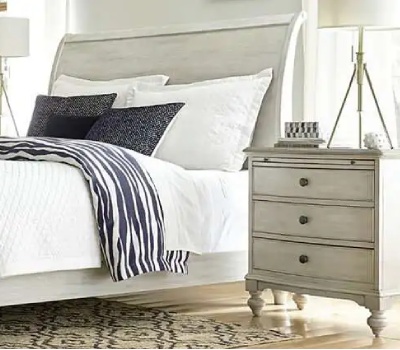
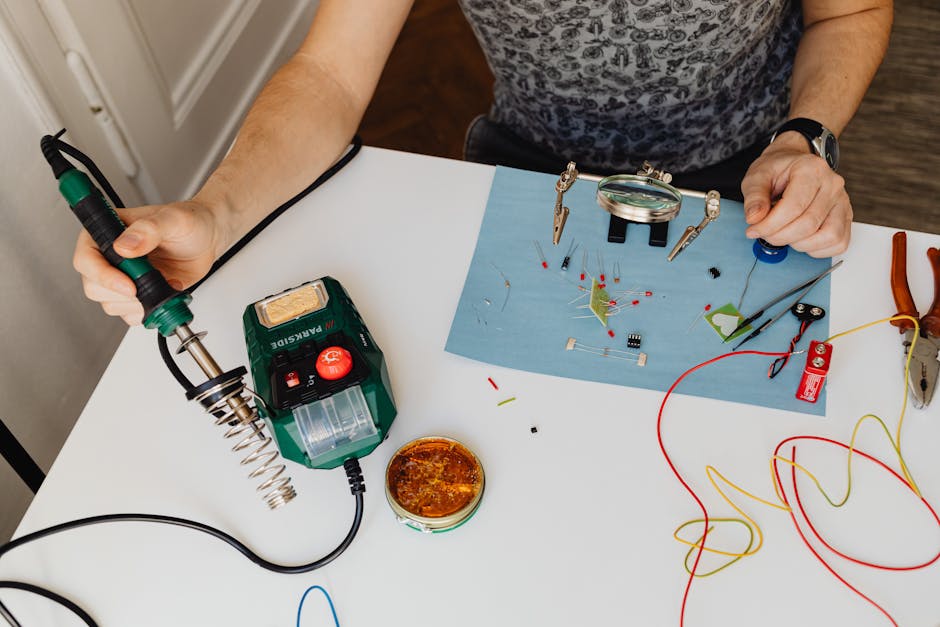
The problem is exacerbated by increasingly complex furniture designs and the sensitive nature of modern electronics. Intricate carvings on antique tables, delicate fabric weaves on sofas, and the tiny crevices in keyboards and computer towers all provide perfect hiding spots for dust and debris. Conventional cleaning methods, like cloths and brushes, struggle to reach these areas effectively, potentially causing damage or simply moving the dust around.
The Limitations of Traditional Dusting
Before exploring modern solutions, it’s important to acknowledge the shortcomings of traditional methods:
- Dust cloths: These often spread dust rather than remove it, requiring frequent washing and potentially scratching delicate surfaces.
- Vacuum cleaners: While effective for larger areas, vacuum attachments can be bulky and difficult to maneuver in tight spaces, and some can damage certain fabrics.
- Canned air: Although convenient for electronics, canned air is a single-use product that contributes to environmental waste and can be surprisingly expensive over time. Furthermore, holding the can at the wrong angle can result in liquid propellant spraying onto your equipment, potentially causing damage.
Understanding the Dust Problem: A Multi-Faceted Issue
Dust isn’t just a collection of dead skin cells and dirt. It’s a complex mixture of materials, including:
- Textile fibers: Shed from carpets, upholstery, and clothing.
- Pollen: Particularly prevalent during spring and summer months.
- Pet dander: A major allergen for many individuals.
- Mold spores: Thriving in humid environments.
- Particulate matter: Air pollution from both indoor and outdoor sources.
This diverse composition means that a single cleaning method isn’t always sufficient. Some particles cling stubbornly to surfaces, while others are easily dislodged but quickly resettle elsewhere. Addressing the root causes of dust accumulation, such as improving ventilation and using air purifiers, can significantly reduce the problem.
Enter the Electric Air Duster: A Modern Solution
For targeted dust removal, especially in hard-to-reach areas and around sensitive electronics, an electric air duster offers a compelling alternative. Unlike canned air, these devices are reusable, environmentally friendly, and offer consistent power for effective cleaning. They work by generating a high-velocity stream of air that blasts away dust and debris without the need for harsh chemicals or physical contact.
One such solution is the T800 Electric Air Duster. This cordless model boasts an impressive 800G of air pressure, providing ample power to dislodge even stubborn dust particles. Its rechargeable battery ensures portability and eliminates the need for disposable cans. With an average customer rating of 4.3 out of 5 stars from 389 reviews, it’s clear that many users have found this device to be an effective cleaning tool.
T800 Electric Air Duster: Key Features and Benefits
The T800 aims to be a versatile tool for cleaning a variety of items. Here’s a closer look at its features:
- High Air Pressure: The 800G air pressure is significantly more powerful than many competing models, allowing it to remove dust from even the most challenging crevices.
- Cordless Design: The built-in rechargeable battery offers freedom of movement and eliminates the hassle of cords. A full charge provides approximately 30 minutes of continuous use.
- Adjustable Airflow: Multiple speed settings allow you to customize the airflow for different cleaning tasks, from delicate electronics to more robust furniture.
- Multiple Nozzles: The included nozzles provide focused cleaning for various applications, such as keyboards, camera lenses, and car interiors.
- Eco-Friendly: By eliminating the need for disposable canned air, the T800 helps reduce environmental waste.
The T800 Electric Air Duster is priced at $67.46 and is available on Amazon. Check price on Amazon.
Beyond the Product: Best Practices for Dust Control
While an electric air duster is a valuable tool, it’s most effective when combined with other dust control strategies:
- Regular Cleaning Schedule: Establish a consistent cleaning routine to prevent dust from accumulating in the first place. Aim to dust frequently-used surfaces at least once a week.
- Air Purification: Invest in a high-quality air purifier with a HEPA filter to remove airborne particles, including dust, pollen, and pet dander. Look for models with a Clean Air Delivery Rate (CADR) appropriate for the size of your room.
- Ventilation: Ensure proper ventilation by opening windows regularly (when weather permits) and using exhaust fans in bathrooms and kitchens to remove moisture and prevent mold growth.
- Minimize Clutter: Reduce the amount of clutter in your home to minimize dust traps. Store items in closed containers whenever possible.
- Upgrade Filters: Replace your HVAC system’s air filters regularly, typically every 1-3 months, to improve air quality and reduce dust circulation.
Using an Air Duster Effectively: Tips and Techniques
To maximize the effectiveness of your air duster, consider these tips:
- Hold the Nozzle at an Angle: Direct the airflow at a slight angle to the surface you’re cleaning to lift dust and debris rather than simply blowing it around.
- Use Short Bursts: Avoid prolonged bursts of air, which can generate static electricity and attract more dust. Use short, controlled bursts to dislodge particles effectively.
- Work in a Well-Ventilated Area: Clean in a well-ventilated area to prevent dust from resettling on other surfaces.
- Protect Sensitive Components: When cleaning electronics, be extra cautious around delicate components like circuit boards and connectors. Use the lowest airflow setting and avoid direct contact with the nozzle.
- Clean from Top to Bottom: Start cleaning from the highest points in the room and work your way down to the floor to prevent dust from falling onto already-cleaned surfaces.
Comparing Electric Air Dusters: What to Look For
When choosing an electric air duster, consider these factors:
- Air Pressure: Higher air pressure generally translates to more effective cleaning. Look for models with a G force rating of 600G or higher.
- Battery Life: Consider the battery life and charging time. A longer battery life allows for more continuous cleaning, while a faster charging time reduces downtime.
- Nozzle Attachments: Different nozzle attachments cater to specific cleaning needs. Look for models that include a variety of nozzles for different applications.
- Noise Level: Electric air dusters can be quite noisy. Check the decibel (dB) rating before purchasing if noise is a concern. Some models operate at around 75 dB.
- Weight and Ergonomics: Choose a lightweight and ergonomic design for comfortable handling and extended use.
Another option to consider is the T150 Elektrischer Luftbläser. While offering slightly less air pressure than the T800, it boasts a high RPM (110,000) and three-speed settings, making it suitable for various cleaning tasks. See current deal.
Furniture-Specific Dusting: A Delicate Approach
Different types of furniture require different dusting approaches. For example:
- Wood Furniture: Use a soft cloth dampened with a wood cleaner specifically designed for your furniture’s finish. Avoid using abrasive cleaners or excessive moisture.
- Upholstered Furniture: Vacuum regularly with an upholstery attachment. For spot cleaning, use a mild detergent and a damp cloth, blotting gently to avoid damaging the fabric.
- Leather Furniture: Dust regularly with a soft, dry cloth. Condition the leather every few months with a leather conditioner to keep it supple and prevent cracking.
- Antique Furniture: Exercise extreme caution when cleaning antique furniture. Consult with a professional furniture restorer for advice on appropriate cleaning methods.
The Future of Dust Control in 2026
As technology advances, we can expect to see even more innovative solutions for dust control. Self-cleaning furniture with integrated dust removal systems may become a reality. Smart home devices that monitor dust levels and automatically activate air purifiers could become commonplace. The key is to embrace a proactive approach to dust control, combining effective tools with smart cleaning habits to create a healthier and more comfortable living environment.
Regular dusting, proper ventilation, and the utilization of tools like the T800 Electric Air Duster can help keep your home clean and dust-free. By investing in these strategies, you can protect your furniture, prolong the life of your electronics, and improve your overall well-being. So ditch the dust bunnies and embrace a cleaner, healthier future in 2026!