Imagine the sinking sensation of watching a cup of morning coffee tilt precariously over the edge of your nightstand, its contents destined for the pristine, porous surface of a two-thousand-dollar hybrid mattress. For many, this is the moment the utility of a mattress cover transitions from a theoretical bedding accessory to a critical defensive barrier. A mattress is one of the few household items where the manufacturer’s warranty is often voided by a single, localized stain, regardless of whether that stain caused the subsequent mechanical failure of the springs or foam. Consequently, selecting the best mattress cover requires an analytical look at textile density, membrane permeability, and the tactile trade-offs inherent in waterproof materials.
The market is flooded with options ranging from basic quilted pads to high-tech encasements designed to thwart microscopic allergens. As a researcher of domestic environments, I have observed that the primary challenge for consumers is navigating the marketing jargon—terms like ‘breathable’ and ‘hypoallergenic’ are frequently used without standardized metrics. To find the right fit, one must look past the packaging and evaluate the specific construction methods that balance protection with the thermal regulation necessary for undisturbed sleep.
What is the most effective waterproof mattress cover for spills?
When investigating waterproof capabilities, the industry standard has shifted away from the noisy, crinkly PVC linings of the past toward Thermoplastic Polyurethane (TPU). TPU is a microporous membrane; its pores are small enough to block liquid water molecules but large enough to allow water vapor (sweat) to escape. This is the same technology utilized in high-end mountaineering jackets. However, the efficacy of a TPU layer is heavily dependent on its thickness and how it is bonded to the surface fabric. A thin, cheaply bonded membrane may delaminate after only five or six high-heat wash cycles, leaving your mattress vulnerable to the very leaks you sought to prevent.
The Emma Guard Mattress Protector (approximately £45 – £60) is a prime example of modern TPU application. It utilizes a 100% polyester surface that is exceptionally thin, ensuring it doesn’t alter the feel of the mattress beneath it. In laboratory-style testing scenarios, this protector excels at repelling high volumes of liquid without the ‘plastic’ sound associated with lower-tier products. A notable pro is its AllergyFree technology, which claims to reduce dust mite allergens significantly. On the downside, the polyester top can feel somewhat slick, occasionally causing deep-pocketed sheets to slide if they don’t have a strong elastic grip.
| Product | Material Type | Waterproof Tech | Approx. Price |
|---|---|---|---|
| Emma Guard | Polyester | TPU Membrane | £55 |
| John Lewis Specialist Synthetic | Polyester/Cotton Blend | Polyurethane Layer | £25 |
| Simba Performance | Tencel/Polyester | Breathable Layer | £80 |
For those on a stricter budget, the John Lewis & Partners Specialist Synthetic Waterproof Mattress Protector (approx. £25) offers a reliable entry point. While it lacks the advanced cooling filaments found in premium models, its polyurethane backing is robust. The main drawback here is the breathability; in humid environments, users may find it traps a marginal amount of body heat compared to more expensive, aerated designs. It is a functional choice for guest rooms or children’s beds where heavy-duty liquid protection is the priority over long-term thermal comfort.
Which mattress cover provides the best protection against dust mites and bed bugs?
There is a fundamental structural difference between a mattress protector and a mattress encasement. While a standard protector covers the top and sides like a fitted sheet, an encasement features a six-sided design with a reinforced zipper. For individuals suffering from chronic respiratory issues or severe dust mite allergies, the encasement is the only logical choice. The objective is to create a biological barrier that prevents skin cells—the primary food source for dust mites—from entering the mattress and prevents existing allergens from escaping.
Micro-zipper technology is the defining feature of a high-quality encasement. If the zipper teeth are too large, or if there is no ‘zip-guard’ (a fabric flap that seals the end of the zipper track), bed bugs can still find an entry point. Research into textile pore size suggests that a fabric must have a pore size of less than 10 microns to effectively block dust mite allergens. Many generic covers do not list their micron rating, which is a red flag for those with clinical sensitivities.
The effectiveness of an allergy cover is almost entirely dependent on the integrity of its closure system. A single millimeter gap at the end of a zipper renders the entire six-sided barrier moot against bed bug infestations.
The Protect-A-Bed Allerzip is often cited as the benchmark for this category. It is frequently available through major retailers like Argos or specialized bedding sites. Its ‘BugLock’ system uses a secure seal that has been independently verified. The pro is its clinical-grade protection; the con is the difficulty of installation. Enclosing a heavy king-sized mattress in a six-sided bag is a two-person job that can be physically taxing. Furthermore, once installed, these covers are not meant to be removed weekly, so they are best used in conjunction with a standard, washable protector on top.
How do cooling mattress covers regulate temperature for hot sleepers?
Thermal regulation in bedding has evolved from simple moisture-wicking fabrics to the integration of Phase Change Materials (PCM). PCM works by absorbing, storing, and releasing heat to maintain a consistent skin temperature. When you get too hot, the material absorbs that energy; as you cool down, it releases it back to prevent a chill. This is a far more sophisticated approach than simply using ‘breathable’ cotton, which can only manage heat by allowing air to pass through.
The Simba Performance Mattress Protector (approx. £80 – £100) incorporates what they call ‘Stratos’ technology. This is a heat-regulating treatment applied to the fabric that provides a distinct ‘cool-to-the-touch’ sensation. For sleepers who struggle with the heat-retentive properties of memory foam mattresses, this type of cover is an essential upgrade. The significant pro is the noticeable temperature drop upon initial contact. The con is the price; at nearly double the cost of a standard protector, it represents a significant investment in sleep hygiene. Additionally, the cooling effect can diminish if covered by very thick, high-thread-count cotton sheets, which act as an insulator.
Another material to consider is Tencel (lyocell), derived from wood pulp. Tencel is naturally more absorbent than cotton and has a smoother fiber surface, which reduces friction against the skin. This leads to less irritation and better moisture management. Many high-end covers now blend Tencel with cooling minerals like copper or graphite to further enhance thermal conductivity. When evaluating these products, check the GSM (grams per square meter). A higher GSM typically indicates a plusher, more durable cover, but for cooling, a mid-range GSM of 250-300 is usually the ‘sweet spot’ for airflow.
Comparing cotton, bamboo, and tencel mattress cover materials
The surface material of your mattress cover dictates the tactile experience of your bed. Even if you use a fitted sheet on top, the texture and density of the protector underneath will influence the overall ‘give’ of the mattress. Cotton remains the traditional choice, favored for its familiarity and durability. However, not all cotton is equal. A Marks & Spencer Cotton Rich Mattress Protector (approx. £30) provides a soft, quilted layer that adds a touch of cushioning. The ‘cotton-rich’ blend (usually 80% cotton, 20% polyester) is actually preferable to 100% cotton in this context because the polyester adds the necessary stretch to prevent the cover from bunching under the sheets.
- Cotton: Best for durability and easy washing. It handles high temperatures well but can retain moisture longer than synthetics.
- Bamboo: Highly praised for its soft feel, similar to silk. It is naturally antimicrobial, which helps with odor control. However, the ‘rayon from bamboo’ process is chemically intensive, and these covers often require delicate washing cycles.
- Tencel: The researcher’s choice for sustainability and performance. It wicks moisture 50% more efficiently than cotton. It is less prone to wrinkling but can be more expensive.
- Polyester: The most affordable and durable. It is excellent for waterproofing but is the least breathable, often leading to a ‘hot’ sleep experience if not treated with cooling finishes.
Bamboo covers have gained significant traction recently due to their marketing as an eco-friendly alternative. While the soft hand-feel is undeniable, the durability often lags behind cotton. Bamboo fibers tend to pill (form small balls of fuzz) after repeated friction. If you choose bamboo, look for a blend that includes a stabilizing fiber like recycled polyester to ensure the cover maintains its shape over several years of use. For those prioritizing a natural sleep surface without the high maintenance of bamboo, a high-quality cotton percale cover is often the most pragmatic long-term solution.
Practical maintenance guidelines to preserve warranty and function
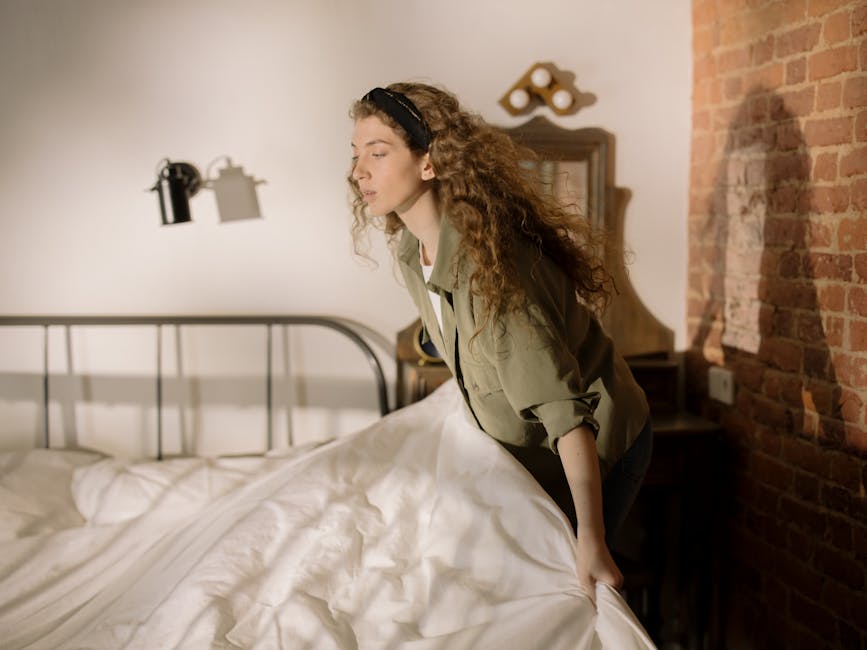
The longevity of a mattress cover is dictated less by its price and more by how it is laundered. The most common cause of protector failure is the destruction of the waterproof membrane during drying. High heat causes TPU to become brittle and crack, or worse, melt and fuse to itself. Once the membrane is compromised, the cover no longer protects the mattress, and the cracking sound will become a nightly nuisance. Always wash on a cool or warm setting (max 40°C) and tumble dry on the lowest possible heat setting. If your dryer has a ‘delicate’ or ‘air fluff’ mode, use it.
It is also important to consider the frequency of washing. Unlike pillowcases or sheets, a mattress cover does not need to be washed every week unless there has been a spill or you suffer from severe allergies. Over-washing accelerates the wear on the elastic skirts and the waterproof backing. A monthly wash is generally sufficient for most households. However, if you are using a cover specifically for allergy management, you should vacuum the surface of the cover weekly using a HEPA-filter vacuum to remove surface dust without needing to remove the entire encasement.
When should you replace your mattress cover? Most manufacturers suggest a lifespan of 2 to 3 years, but a well-maintained, high-quality protector can last up to 5 years. Signs of failure include visible yellowing (which indicates body oils have penetrated the fabric), a change in the sound of the cover (increased crinkling), or any visible peeling of the underside coating. If you notice these signs, the cost of a new cover—perhaps a Simba or Emma model—is a small price to pay compared to the cost of replacing a stained or dust-mite-infested mattress. By viewing the cover as a sacrificial layer designed to absorb the wear and tear of daily life, you ensure that the centerpiece of your bedroom remains hygienic and supportive for its intended decade-long lifespan.