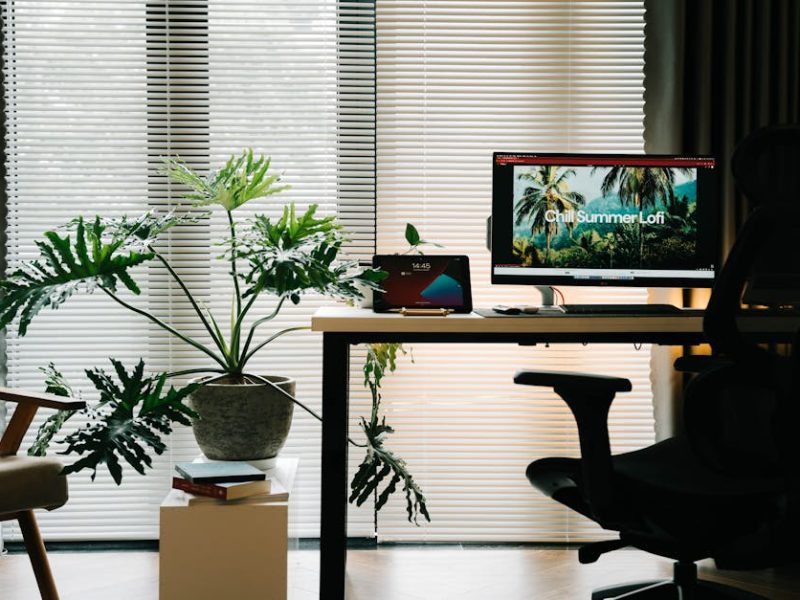
Stop buying cool grey paint. If you want the most important takeaway for 2025, that is it. The era of the sterile, clinical “white box” home is officially over. We are moving into a period defined by tactile comfort, earthy warmth, and furniture that actually looks like it was made by a human being rather than a 3D printer in a cold warehouse. In 2025, the best home design isn’t about showing off how much stuff you can fit into a room; it is about how those pieces make you feel when you finally sit down after a ten-hour workday. We are shifting from “Instagrammable” spaces to “livable” sanctuaries where the sensory experience—the smell of natural wood, the touch of heavy linen, and the sight of soft, diffused light—takes precedence over rigid symmetry.
Minimalism is still here, but it has evolved. We call it “Warm Minimalism.” It keeps the lack of clutter but ditches the sharp edges and cold surfaces. Think soft curves, textured walls, and wood that hasn’t been sanded into oblivion. If your living room feels like a hug, you are on trend. If it feels like a gallery where you’re afraid to touch the coasters, you’re stuck in 2018. The 2025 home is a rejection of the digital world’s flatness, offering a three-dimensional refuge that prioritizes mental well-being and physical ease.
What are the dominant interior design color palettes for 2025?
The 2025 color story is a direct reaction to the digital fatigue we all feel. People are tired of staring at blue-light screens, so they are painting their walls in colors that feel grounded. We are seeing a massive surge in terracotta, deep ochre, and muddy greens. These aren’t the bright, neon colors of the past decade. They are desaturated, natural tones that mimic the outdoors. If you are looking for a specific starting point, look at “Peach Fuzz” variants or anything that resembles sun-baked clay. These colors work because they change throughout the day, appearing vibrant in the morning sun and moody and intimate under evening lamplight.
Brown is the new black. I know, that sounds like a nightmare from the 1970s, but hear me out. We aren’t talking about cheap wood paneling. We are talking about rich chocolate browns and deep espresso tones used as accents. When you pair a dark brown velvet armchair with a cream-colored lime-wash wall, the contrast is sophisticated without being harsh. It creates a sense of permanence and weight that white and grey simply cannot achieve. This “New Brown” movement is about luxury and stability, often utilized through high-quality stains on walnut or oak furniture.
The Psychology of Earth Tones and Desaturated Hues
Why are we gravitating toward these specific shades? Psychologically, colors like sage green and terracotta lower cortisol levels. After years of high-stress global events, our homes are becoming therapeutic environments. Blue is also making a comeback, but only in very specific shades. Forget navy; look for “Electric Teal” or “Dusty Cobalt.” These are used sparingly—perhaps on a kitchen island or a single velvet headboard—to provide a focal point in an otherwise neutral room. The goal is to create a space that feels layered. You want people to walk in and feel like the room has developed over time, even if you just finished painting it last weekend.
Key Color Comparisons for 2025
| Trend | 2020-2023 Approach | 2025 Approach | Recommended Mood |
|---|---|---|---|
| Neutrals | Cool Grey / Stark White | Sand / Oatmeal / Mushroom | Calm and enveloping |
| Accents | Matte Black / Gold | Brushed Copper / Deep Brown | Sophisticated and earthy |
| Nature Tones | Forest Green | Olive / Sage / Terracotta | Organic and grounded |
| Wood Finishes | Grey Wash / High Gloss | Natural Oil / Smoked Oak | Tactile and authentic |
How is sustainable furniture changing home layouts in 2025?
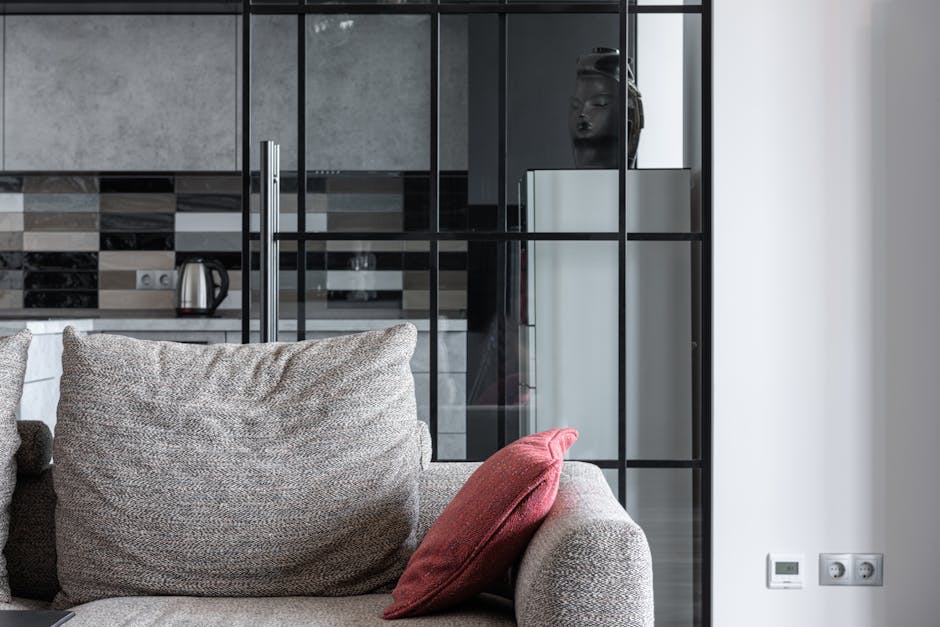
Sustainability is no longer a buzzword you can ignore. In 2025, it is a core design requirement. But the shift isn’t just about using recycled plastic; it is about longevity. The “fast furniture” cycle is breaking. People are tired of buying a desk that wobbles after six months and ends up in a landfill. The trend now is “Cradle-to-Cradle” design, where every part of the furniture can be repaired, recycled, or composted. Layouts are becoming more flexible to accommodate these high-quality, “forever” pieces that might move with you from home to home.
We are seeing a return to traditional joinery. Furniture that uses dovetail joints instead of cam-locks and screws is highly coveted. Why? Because it lasts. Brands like John Lewis have leaned heavily into this with their higher-end wooden ranges. For example, the John Lewis Estate Dining Table (approx. £899) is a prime example of this 2025 shift.
Specs: Solid oak construction, 240cm length (seats 8), natural oil finish.
Pro: It ages beautifully and can be sanded down and refinished if it gets scratched. It features a timeless trestle base that fits both modern and traditional homes.
Con: It is incredibly heavy (over 80kg) and requires regular oiling every 6-12 months to prevent water stains, which might be too much maintenance for a busy household.
Material Spotlight: From Mycelium to Solid Oak
Another major shift is the use of bio-materials. We are seeing coffee tables made from compressed mushroom mycelium and chairs upholstered in pineapple leather (Piñatex). It sounds experimental, but the aesthetic is surprisingly high-end. These materials have a natural irregularity that fits perfectly with the warm minimalism trend. They don’t look mass-produced. They look intentional. If you’re shopping at places like Marks & Spencer, look for their “Responsible Wood” labels and their recycled polyester velvet ranges—it is the bare minimum you should be looking for this year. The focus is on materials that have a “low VOC” (Volatile Organic Compound) count, ensuring that your indoor air quality is as healthy as your decor looks.
The most sustainable piece of furniture is the one you already own. Before buying new, consider if a high-quality reupholstery job or a change of hardware can bring your current pieces into the 2025 aesthetic. A vintage sideboard with updated solid brass pulls can look more “2025” than a brand-new flat-pack unit.
Which smart home technologies are actually worth integrating into your design?
In the past, smart home tech was ugly. You had black boxes, tangled wires, and glowing blue LEDs everywhere. In 2025, the best tech is invisible. We are talking about “Calm Tech.” This means devices that only announce themselves when they are needed and otherwise blend into the architecture of the room. If your smart speaker looks like a piece of plastic junk, hide it or replace it with something integrated into the ceiling or furniture. The goal is a home that works for you without demanding your constant attention.
The most significant investment you can make this year is in Circadian Lighting. This isn’t just about changing colors for a party. It is about systems that automatically adjust the color temperature of your home based on the time of day. In the morning, the light is crisp and blue-toned (around 5000K) to wake you up; by 8 PM, it shifts to a warm, candle-like glow (around 2000K) to prepare your body for sleep. The Philips Hue Gradient Lightstrip (£130-£160) is still the gold standard here.
Specs: 2000-6500K color range, 1100 lumens, Bluetooth and Zigbee compatible.
Pro: Unmatched color accuracy and seamless app integration. The gradient feature allows multiple colors to blend on one strip.
Con: The cost adds up quickly if you want to do a whole floor, and you’ll need a Hue Bridge for the best experience and remote access.
Then there is the “Black Hole” problem—the giant TV that ruins your living room’s vibe. The 2025 solution remains the Samsung The Frame TV (approx. £999 for 55″). It is a cliché for a reason: it works. By mimicking a piece of framed art, it removes the biggest eyesore in modern design.
Specs: 4K QLED, Matte Display, 120Hz refresh rate.
Pro: Matte screen looks incredibly realistic as art with zero glare; interchangeable bezels match any decor perfectly.
Con: The OneConnect box still requires a place to hide, and the art subscription is an annoying monthly cost if you want the high-end gallery pieces.
Essential Smart Home Checklist for 2025
- Smart Blinds: Essential for high-ceiling homes. Look for battery-powered retrofits that can be scheduled to open with the sunrise.
- Hidden Charging: Desks and bedside tables with built-in Qi chargers hidden under the wood surface to eliminate cable clutter.
- Acoustic Panels: Not just for studios. Decorative felt panels in geometric shapes help dampen the echo in minimalist rooms with hard floors.
- Smart Climate Control: Systems like Tado or Nest that learn your patterns to reduce energy waste, fitting the sustainability trend.
What are the must-have furniture pieces for a modern 2025 living room?
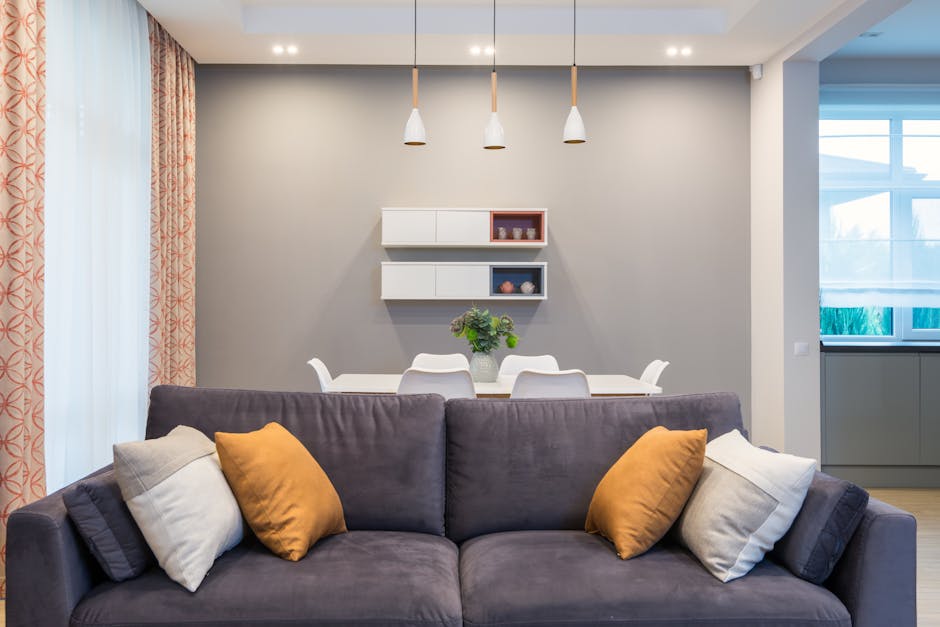
If you are looking to update just one or two items, focus on the curved sofa. Sharp, rectangular sectionals are out. They feel too rigid for the relaxed atmosphere we’re aiming for in 2025. A sofa with a gentle arc or rounded edges encourages conversation and makes a room feel larger because it doesn’t “cut off” the corners of the space. It is a functional choice as much as an aesthetic one, allowing for better flow in open-plan living areas.
Take the Swoon Editions Klee Sofa (approx. £1,400). It features those iconic mid-century tapered legs but with a softened, kidney-bean silhouette.
Specs: Width 215cm, available in easy-clean velvet or textured weave.
Pro: It acts as a sculptural centerpiece that doesn’t need much styling. The “Easy Clean” fabric options are surprisingly durable against spills.
Con: It is difficult to push against a wall, so it really only works if you have the space to float it in the middle of the room. It also lacks the deep “sink-in” feel of a traditional slouchy sofa.
The second must-have is the oversized statement armchair. We are moving away from pairs of small chairs toward one large, incredibly comfortable “reading nook” chair. Look for materials like bouclé (which is still hanging on, though moving toward tighter, more durable weaves) or heavy linens. The M&S Loft Accent Chair (£299) is a solid entry-point for this look.
Specs: Solid wood legs, foam-filled cushions, compact footprint.
Pro: Great price point and very sturdy. It fits well into smaller apartments while still providing that “designer” look.
Con: The seat depth is a bit shallow for taller people (over 6ft), so check the measurements before committing to a long reading session.
Finally, let’s talk about Travertine. This stone is replacing marble as the “it” material for coffee tables and side tables. It is warmer, more porous-looking, and less “flashy” than white Carrara marble. It fits the 2025 desire for things that feel like they were pulled straight out of the earth. Just be careful—travertine is incredibly heavy and can be brittle if it’s sliced too thin. It also requires a sealer to prevent staining from coffee or wine.
Maintaining the 2025 Aesthetic: A Care Guide for Natural Materials
Because 2025 design relies so heavily on “honest” materials, maintenance becomes a part of the home’s ritual. You cannot treat a solid oak table the same way you treat a laminate one. To keep the warm minimalism look from becoming “shabby” rather than “chic,” you need a consistent care routine. Natural stones like travertine and wood with oil finishes are beautiful because they develop a patina, but they are vulnerable to the elements of daily life.
- For Wood: Use a high-quality wax or oil (like Osmo Polyx-Oil) every six months. This feeds the wood and maintains its water resistance without the plastic look of varnish.
- For Stone: Always use coasters. Acidic liquids like lemon juice or wine will etch the surface of travertine and marble instantly. Wipe spills immediately with a pH-neutral cleaner.
- For Textiles: Rotate your cushions weekly. Natural fibers like linen can develop “slubs” and wrinkles; embrace them, but steam them occasionally to keep the fibers from breaking.
Common Design Mistakes to Avoid This Year
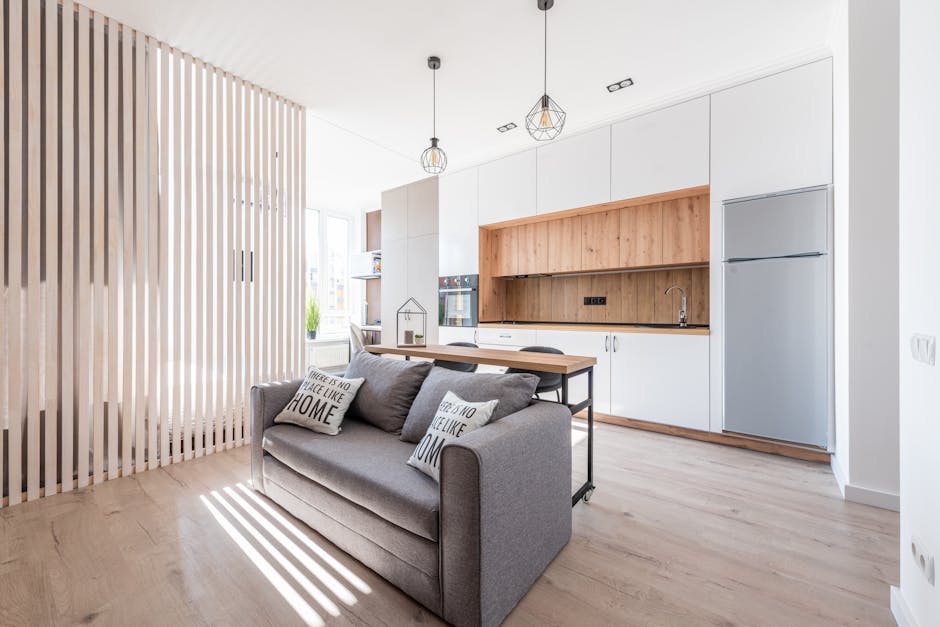
The biggest mistake people make when trying to achieve “Warm Minimalism” is underestimating scale. In a minimalist room, every object carries more visual weight. If you have a large room with tiny furniture, the space will feel cold and accidental. It is better to have one massive, comfortable sofa than three small, uncomfortable ones. Another common error is sticking to a single texture. If your walls are smooth, your rug is flat, and your sofa is leather, the room will feel “dead.” You must mix textures—pair that leather sofa with a chunky wool throw and a rough-hewn wooden stool.
Avoid the “Set” look. Buying a matching sofa, loveseat, and armchair from the same showroom floor is the fastest way to make your home look like a 2010 furniture catalogue. In 2025, we want curated, not matched. Your coffee table shouldn’t match your side table. They should “speak the same language”—perhaps they both have organic shapes—but they shouldn’t be identical. This creates a sense of history and personality that a matching set simply cannot provide.
How can you implement the “warm minimalism” trend on a budget?
You don’t need a £50,000 renovation budget to make these 2025 trends work. The secret to warm minimalism is subtraction and texture. Most people have too much small-scale clutter. Clear the surfaces. One large, handmade ceramic vase is better than ten small plastic frames. Go to a charity shop, find a weirdly shaped lamp, and spray paint it in a matte terracotta or mushroom finish. That is 2025 design in a nutshell: unique, textured, and simple.
Textiles are your best friend for a budget overhaul. Swap out your thin, synthetic rugs for something with a high pile or a visible weave. Jute rugs are cheap and fit the earthy palette perfectly, though they are a nightmare to clean if you have pets. If you’re shopping retail, check out the John Lewis Anyday range for affordable linen-mix cushions. They give you that high-end textured look without the £80-per-cover price tag found in boutique shops.
Lighting is the other “cheap” fix. Stop using your “big light” (the overhead pendant). 2025 is all about layered lighting. You want at least three sources of light in every room, all at different heights. A floor lamp for reading, a table lamp for atmosphere, and maybe some LED strips behind a bookshelf. Use warm-toned bulbs (2700K or lower). This immediately transforms a cold room into a warm, minimalist sanctuary. It is the single most effective thing you can do this weekend to modernize your home.
- Declutter: If you haven’t touched it in a year, it’s gone. Minimalism requires breathing room. Use hidden storage (like ottomans) to keep the essentials out of sight.
- Texture over Color: Keep the colors neutral but vary the materials. Combine wood, wool, stone, glass, and metal to create depth.
- Bring the outside in: Large-scale plants like an Olive tree or a Fiddle Leaf Fig provide the “organic” element that 2025 demands. If you lack a green thumb, high-quality dried botanicals like eucalyptus work just as well.
- Update Hardware: Replace cheap kitchen cabinet handles or interior door knobs with brushed brass, matte bronze, or even hand-turned wooden knobs.
- Focus on the Entryway: First impressions matter. A single wooden bench and a round mirror can set the “warm minimalist” tone for the entire house.
At the end of the day, 2025 is about rejecting the “perfect” look of Instagram and embracing a home that feels lived-in and authentic. Buy things because they are well-made and comfortable, not because they match a specific Pinterest board. If you focus on warmth, natural materials, and quality over quantity, your home will not only be on-trend but will remain a timeless sanctuary for years to come.