Maintaining a garden in the UK presents a specific set of challenges, primarily driven by our unpredictable humidity and the heavy clay soils found in many regions. These factors contribute to the rapid dulling and oxidation of steel blades. A blunt pair of secateurs doesn’t just make the job harder for the gardener; it creates jagged, tearing cuts on plants that invite disease and fungal infections. To maintain a healthy garden, the investment in a high-quality sharpener is often more cost-effective than frequently replacing mid-range tools that have lost their edge. This analysis explores the technical specifications and real-world performance of the leading sharpeners currently available on the UK market, focusing on material durability and ease of use.
What makes a garden tool sharpener effective for UK gardeners?
The efficacy of a sharpener is fundamentally determined by the hardness of the abrasive material relative to the steel of the tool being sharpened. Most standard garden tools, such as those from Spear & Jackson or Fiskars, utilize carbon steel or stainless steel. To effectively remove metal and realign an edge, the sharpener must be significantly harder on the Mohs scale. In the UK market, we primarily see three types of abrasive surfaces: tungsten carbide, diamond-coated steel, and natural or synthetic whetstones. Each serves a distinct purpose in the maintenance cycle.
Tungsten Carbide vs. Diamond Abrasives
Tungsten carbide sharpeners are the workhorses of the gardening world. They are exceptionally hard and are designed to ‘shave’ metal off the blade. This is ideal for tools that have been neglected or have visible nicks. However, carbide can be aggressive. If used with too much pressure, it can remove more material than necessary, potentially shortening the lifespan of a delicate pair of pruning shears. Diamond sharpeners, conversely, consist of industrial diamond grit bonded to a metal plate. These are better suited for honing and maintaining a ‘razor’ edge. They work well on high-end tools like Felco secateurs, where the goal is to maintain the factory bevel without aggressive metal removal.
Environmental factors in the UK also dictate tool choice. Because we often deal with damp conditions, sharpeners with ergonomic, non-slip grips are essential. A tool that becomes slippery when wet is not just inefficient; it is a safety hazard. Furthermore, the portability of the sharpener matters. A small, pocket-sized carbide tool is often more useful for a quick touch-up in the middle of a pruning session than a large bench stone that requires the gardener to return to the shed or garage.
Best overall garden tool sharpeners available in the UK
When selecting a general-purpose sharpener, versatility is the primary metric. The goal is to find a single device that can handle the thick blades of a garden spade and the refined edge of a bypass pruner. After examining the current retail landscape at major UK outlets like B&Q and Robert Dyas, several models stand out for their balance of price and performance.
Sharpal 103N All-in-1 Garden Tool Sharpener
The Sharpal 103N is perhaps the most comprehensive manual sharpener currently available. It features three different sharpening slots and a dedicated oversized carbide bar for larger tools. It typically retails around £15 to £20. The primary sharpening slot is preset at an angle suitable for most single-beveled tools, which removes the guesswork for beginners. It also includes a specialized ceramic hone for finishing edges to a smooth polish.
- Pros: Extremely versatile; includes a hand guard for safety; preset angles prevent common user errors.
- Cons: The plastic housing, while durable, can feel slightly bulky in smaller tool bags; the preset angles may not match specialized professional tools.
Multi-Sharp 1101 Multi-Purpose Sharpener
A staple in UK garden centres, the Multi-Sharp 1101 is a budget-friendly option usually priced between £10 and £12. It uses a silicon carbide abrasive. While not as hard as tungsten, it is highly effective for lawnmower blades and shears. It is specifically marketed for its ability to sharpen tools without requiring the user to dismantle them, which is a significant time-saver during the busy spring growing season.
- Pros: Very affordable; widely available across UK retailers; effective on heavy-duty tools like loppers.
- Cons: The abrasive block can wear down over several years of heavy use; not recommended for high-precision bypass secateurs.
| Product Name | Abrasive Material | Approx. Price (GBP) | Best Use Case |
|---|---|---|---|
| Sharpal 103N | Tungsten Carbide/Ceramic | £18 | All-round maintenance |
| Multi-Sharp 1101 | Silicon Carbide | £11 | Shears and Mowers |
| Felco 903 | Diamond Coated Steel | £24 | Professional Secateurs |
Specialty sharpeners for secateurs and pruning shears
Pruning tools require a different approach than digging tools. Bypass secateurs, the most common type used in UK gardens, work like scissors where two blades pass each other. If you sharpen the flat side of the blade, you create a gap between the blades, rendering the tool useless. Therefore, a sharpener for these tools must allow for precision and control. The researcher must acknowledge that while ‘all-in-one’ tools are convenient, they often struggle with the tight curves of a pruning blade.
Felco 903 Diamond Sharpener
For those who have invested in professional-grade pruning equipment, the Felco 903 is the industry standard. It is a slim, diamond-coated hardened steel stone that allows the user to follow the specific contour of the blade. It retails for approximately £22 to £26. Because it is a flat stone rather than a ‘pull-through’ slot, it requires a bit of technique to maintain the correct angle (usually 20 degrees). However, the results are objectively superior, providing a cleaner cut that promotes faster plant healing.
- Pros: Slim profile reaches tight spots; very long lifespan; produces a professional-grade edge.
- Pros: Excellent for curved blades; retractable design protects the abrasive surface; great value.
- Cons: The small surface area makes it tedious for larger tools like shears or spades.
- Safety First: Ensure the mower is disconnected from the power source. For petrol mowers, remove the spark plug wire to prevent accidental starting.
- Blade Removal: Tilt the mower (carburettor side up for petrol models) and use a socket wrench to remove the central bolt. It is often helpful to wedge a block of wood against the blade to keep it from spinning.
- Cleaning: Use a wire brush to remove dried grass and rust. You cannot sharpen through debris.
- Sharpening: Use a heavy-duty sharpener like the Multi-Sharp 1301 (specifically designed for mowers). Follow the existing bevel of the blade, moving from the inside of the blade toward the tip. Usually, 10 to 15 passes are sufficient.
- Balancing: This is the most overlooked step. Place the centre hole of the blade on a nail or a dedicated blade balancer. If one side dips, it is heavier and needs more metal filed off. An unbalanced blade will vibrate and eventually destroy the mower’s engine bearings.
Burgon & Ball SGT/SHARP Diamond Sharpener
Burgon & Ball, a historic UK brand, offers a pen-style diamond sharpener that is highly regarded for its portability. Priced around £12, it features a retractable rod with a flat side and a curved side. This design is particularly clever as the curved side can be used to sharpen the serrations on some types of garden knives or the concave side of curved pruning blades. It fits easily into a pocket or a holster alongside your tools.
How to sharpen lawn mower blades safely at home
A dull lawn mower blade doesn’t cut grass; it smashes it. This results in white, frayed tips on the grass blades, which then turn brown and make the lawn susceptible to pests. In the UK, where we often mow damp grass, a sharp blade is even more critical to prevent the mower from clogging. While many people take their mowers to a local service centre, sharpening the blade at home is a manageable task with the right equipment. The process requires a balance of metal removal and blade equilibrium.
Step-by-Step Mower Blade Maintenance
The technical reality of mower sharpening is that you aren’t looking for a kitchen-knife edge. A slightly blunter, more durable edge (about the sharpness of a butter knife) is preferable, as it will withstand the impact of small twigs or stones better than a razor-thin edge.
Comparing manual vs. electric garden tool sharpeners
The debate between manual and electric sharpening often comes down to the volume of tools and the user’s physical comfort. Electric sharpeners, such as the Work Sharp Knife & Tool Sharpener (frequently available through UK specialist retailers), use flexible abrasive belts. These are incredibly fast and can restore a badly damaged blade in seconds. However, they come with a significant risk: heat. If the steel becomes too hot during sharpening, it loses its ‘temper’—the heat treatment that makes the steel hard. Once the temper is gone, the blade will become soft and will never hold an edge again.
Manual sharpeners offer much more control. Because you are moving the tool by hand, there is zero risk of overheating the steel. For the average UK gardener with a standard set of tools, manual sharpeners are usually the better choice. They are cheaper, more portable, and safer for the longevity of the tools. Electric sharpeners are best reserved for those with large estates or professional landscapers who need to sharpen multiple sets of shears daily. Manual sharpening also provides a tactile feedback that helps the gardener understand the condition of the steel, noticing nicks or soft spots that an electric belt might simply grind away.
Another consideration is the power source. Many UK garden sheds lack mains electricity. Relying on an electric sharpener means bringing dirty tools into the house or using extension leads across the garden. Manual tools work anywhere, at any time, without the need for cables or batteries. For most home users, the simplicity of a carbide pull-through tool or a diamond file outweighs the raw speed of a powered motor.
Long-term maintenance and rust prevention for sharpened tools
Sharpening is only half the battle. Once you have exposed fresh metal, that surface is highly vulnerable to oxidation. In the damp UK climate, a freshly sharpened tool can begin to show signs of surface rust within 24 hours if not properly treated. The goal of post-sharpening care is to create a moisture barrier. While many suggest WD-40, it is actually a solvent and evaporates quickly. For long-term protection, a dedicated tool oil or a natural alternative like camellia oil or boiled linseed oil is superior.
The Post-Sharpening Routine
After you have finished sharpening, wipe the blade down with a clean rag to remove any metal filings (swarf). Apply a light coat of oil to the entire metal surface. For tools with moving parts, like secateurs or loppers, add a drop of 3-in-1 oil to the pivot point. This doesn’t just prevent rust; it reduces friction, making the tool easier to use and reducing the rate at which the blade dulls during work. If you are storing tools for the winter, consider ‘burying’ the metal heads in a bucket of dry sand mixed with a small amount of motor oil. This is an old-fashioned but highly effective UK gardening trick to keep spades and hoes rust-free and sharp until spring.
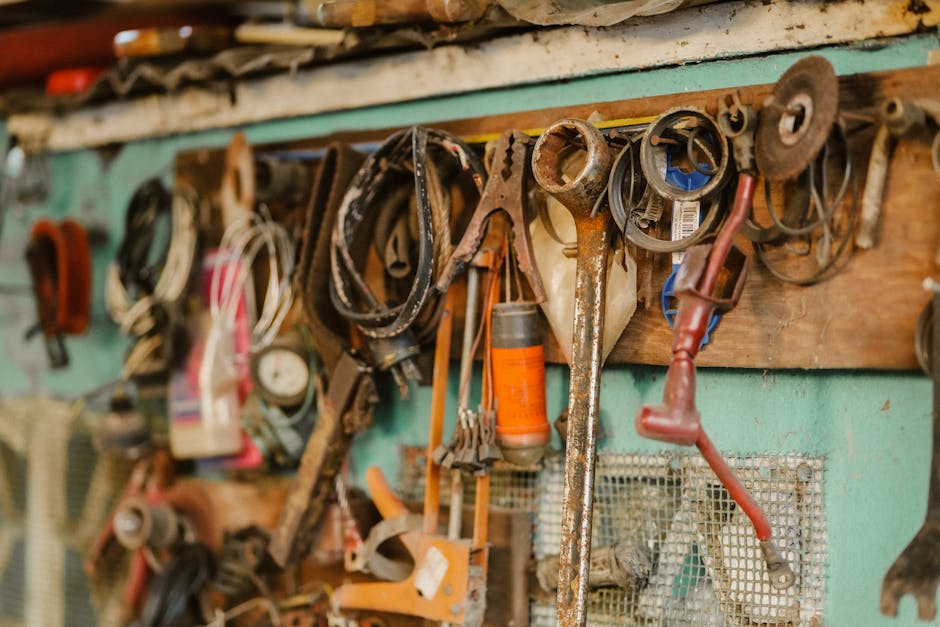
Finally, consider the storage environment. Tools hanging on a wall in a well-ventilated shed will stay sharp longer than those left in a pile on a damp concrete floor. Proper storage prevents the blades from knocking against each other, which can cause micro-chipping of the sharpened edge. By combining regular sharpening with consistent oiling and dry storage, a high-quality UK garden tool can easily last for several decades, providing a much better return on investment than the ‘disposable’ culture of cheap, unmaintained alternatives. The small amount of time spent with a sharpener each month is repaid through easier work and healthier, more vibrant plants.