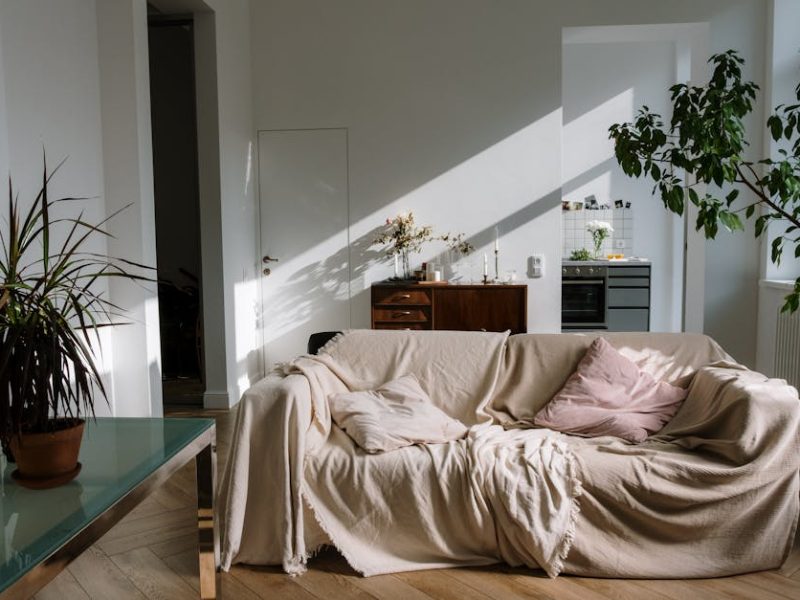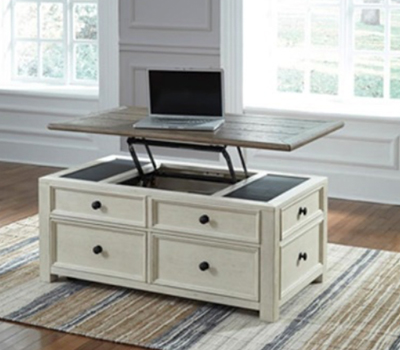
Skip the 12×20 unless your patio genuinely needs 240 square feet of coverage. That’s the whole take. The Garvee 10×20 handles most outdoor furniture layouts, costs $700 less, and uses the same build quality. The larger pergola earns its price only when your space actually requires that width.
Both units share adjustable louvered roofs, reinforced aluminum frames, and integrated drainage systems. Same engineering, different footprint. Here’s how to pick the right one without spending $700 on extra air.
Side-by-Side Specs: The Numbers Without Spin
Same brand family. Same material grade. Same roof hardware. The differences that matter fit cleanly in one comparison.
| Feature | GarveeLife 12×20 | Garvee 10×20 |
|---|---|---|
| Price | $2,499.99 | $1,799.99 |
| Dimensions | 12 ft x 20 ft | 10 ft x 20 ft |
| Coverage Area | 240 sq ft | 200 sq ft |
| Frame Material | Reinforced Aluminum | Reinforced Aluminum |
| Roof System | Adjustable Louvered | Adjustable Louvered |
| Drainage | Integrated Gutter Channels | Integrated Gutter Channels |
| Color | Gray | Gray |
| Customer Rating | 4.4/5 (6 reviews) | 5.0/5 (3 reviews) |
| Cost per Sq Ft | ~$10.42 | ~$9.00 |
| Best For | Large patios, 10-person dining, wide decks | Standard decks, 6–8 person setups, mid-size yards |
The 10×20 comes in at $9.00 per square foot. The 12×20 runs $10.42. That’s a 16% premium for 40 more square feet of coverage.
The 5.0-star rating on the 10×20 looks impressive until you see it’s three reviews. The 12×20 has six. Neither sample is large enough to draw statistical conclusions — don’t let ratings be the deciding factor in a $700 decision.
Both use powder-coated aluminum throughout — posts, beams, louvered blades, gutter channels. No steel to rust, no wood composite to rot, no annual oiling required. That’s a maintenance advantage over cedar pergola kits from brands like Creekvine Designs or Forest Hill Collection, which need re-treatment every one to two years.
What both models share beyond specs: the market tier they occupy. These are freestanding adjustable louvered pergolas — not open-frame structures with climbing plants, not polycarbonate-panel hardtops, not tension-fabric shade canopies. They sit in the premium residential middle: more functional than shade sails, less expensive than motorized smart pergola systems. That context matters when evaluating the price point.
The $700 Size Gap: What You’re Actually Paying For
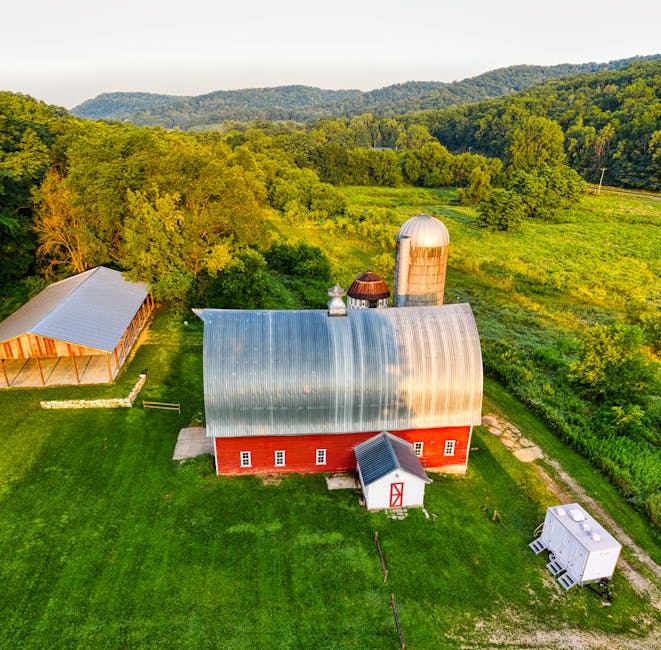
Forty square feet. That’s the entire delta between these two pergolas. Same brand, same frame engineering, same louvered hardware. You’re buying width, not quality.
The Coverage Math
240 square feet versus 200 square feet. The extra 40 sq ft costs $700, or $17.50 per additional square foot. For powder-coated aluminum with a built-in drainage system, that’s a competitive rate. PURPLE LEAF louvered pergola kits in the 10×13 to 12×18 range start around $1,500 but most lack integrated gutter channels. Outsunny aluminum pergolas in comparable footprints run $800–1,100 — fixed canopy or polycarbonate panels, not adjustable louvers. The Sunjoy Bellmore hardtop gazebo at 12×14 runs about $1,200 — also fixed, also smaller. The Garvee line is priced fairly within its category.
On cost-per-square-foot, the 10×20 at $9.00 wins cleanly. The math only shifts if your outdoor furniture actually uses the extra 40 square feet the 12×20 adds.
The Frame and Hardware Are the Same
The post extrusions, beam connectors, ridge caps, and louvered blade hardware are identical across both models. GarveeLife doesn’t use thinner aluminum or cheaper fasteners in the smaller unit. The Garvee 10×20 pergola isn’t a budget step-down — it’s the same construction at a size that fits most residential outdoor spaces without the size-related premium.
Installation complexity is also roughly equal. Both require four post anchors, overhead beam assembly, and louvered panel installation. If you can build one, you can build the other. Assembly time is comparable.
When the Extra Two Feet Actually Matter
Three specific situations where the 12-foot width earns its cost:
- You’re covering a 10-person outdoor dining setup. A true 10-person table runs around 96 inches long by 44 inches wide. Add chair depth on both sides — roughly 20 inches each when seats are pulled out — and your effective furniture footprint approaches the full 10-foot span. The 12-foot width gives you 18–24 inches of walkability clearance on each side that comfortable entertaining requires.
- You’re combining a dining area and a separate lounge zone under one roof. L-shaped sectionals from Yardbird, Polywood, or comparable outdoor brands extend 10–12 feet across in full configuration. Stack a dining zone alongside that and you need the extra width to cover both without cramping.
- Your deck or patio is specifically 12 feet wide and you want complete edge-to-edge coverage. In that case, the GarveeLife 12×20 louvered pergola fits the space cleanly; the 10×20 leaves visible uncovered strips on both sides that look unfinished.
For a standard 6-person patio dining set, a loveseat-and-chairs configuration, or a single-zone outdoor setup, the 10-foot width handles it. Paying $700 more to cover empty air on either side of your furniture is a hard spend to justify.
How to Size a Pergola Without Wasting Money on Coverage You Won’t Use
Most buyers measure the patio slab or deck boards and buy a pergola to match the hardscape. That’s the wrong starting point. The patio is your outer boundary. Your furniture layout is the actual target. Buy the pergola that covers what you use — not the one that fills all available surface area.
Start with the Furniture Footprint, Not the Slab
Set up your outdoor furniture in its intended position. Pull chairs away from the table as if guests are seated. Measure the full footprint front-to-back and side-to-side, including extended chair depth on all sides.
Add clearance. The outdoor design standard is 18 inches minimum on each side for walkability — the space one person needs to pass behind a seated guest without squeezing. Twenty-four inches is more comfortable, especially for chairs that slide backward when someone stands. Add your clearance measurements to the furniture footprint on each side. That total is your minimum interior pergola dimension.
One detail buyers frequently miss: the declared size of a pergola isn’t the interior clearance. Post thickness typically reduces the usable interior span by 4–6 inches per side. A pergola listed at 12 feet wide may have only 11.5 feet of post-to-post interior clearance. If your furniture footprint with clearance is 11 feet 6 inches, the 12×20 fits and the 10×20 doesn’t — that’s a close call worth verifying in the product documentation before purchase.
Also consider your patio’s sun orientation. A south-facing patio in the US gets mostly overhead sun — both widths shade equally well. A west-facing patio gets low-angle afternoon sun from the side, where the roof width matters less than you’d think; a wind break or privacy screen addresses that angle better. Know your sun exposure before assuming you need maximum width for shade control.
Anchoring to Wood Decks vs. Concrete Patios
On a wood deck, pergola posts should anchor into structural joists — typically spaced 16 inches on center in standard residential framing. Anchoring into decking boards between joists creates a weak connection that loosens under sustained wind. Before finalizing your size choice, mark proposed post locations and verify what’s beneath them. A stud finder works on most decks; alternatively, measure inward from the rim joist at 16-inch intervals to estimate joist position.
On concrete, sleeve anchors in slabs at least 4 inches thick are the standard approach. Older residential concrete patios sometimes run thinner. In thin-slab situations, epoxy chemical anchors provide stronger holding strength. Neither GarveeLife nor Garvee includes concrete anchors in the package — budget $30–50 for anchor hardware at a local hardware store.
Check whether your municipality requires a building permit for a freestanding pergola. Many jurisdictions set a threshold — structures over 120 sq ft or over 12 feet in height commonly require permits. Both the 10×20 (200 sq ft) and the 12×20 (240 sq ft) exceed the 120 sq ft mark typical in many areas. A quick inquiry to your local building department takes 15 minutes and avoids a compliance issue after installation.
Planning the Drainage Runoff Before You Anchor
The integrated drainage channels route rainwater through hollow post interiors and discharge at ground level. Decide where that water goes before a single post is anchored. Discharging near a wood ledger board, a foundation wall, or finished concrete causes slow but cumulative damage.
Route drainage outlets toward a lawn area. If you’re on a fully paved surface, dig a 12-inch-wide, 4-inch-deep gravel trench at each post base. The gravel absorbs discharge and directs water away from the hardscape. It takes an afternoon to install and prevents drainage problems for the life of the structure.
What Adjustable Louvers Actually Deliver — and Where They Fall Short

Louvered pergolas get oversold in marketing copy. Here’s an honest accounting of what the louver system delivers, where it genuinely fails, and how it compares to the alternatives most buyers are weighing at the same time.
- Sun control: The standout feature, and the real reason to choose a louvered system over a fixed roof. You go from fully open to fully shaded in minutes, with every increment in between. Fixed alternatives — polycarbonate panels, solid aluminum roofs — lock you into one setting permanently. For a west-facing patio with brutal afternoon glare, adjustable louvers make the space usable hours earlier than any fixed structure allows.
- Rain performance: Fully closed louvers handle light-to-moderate rain effectively. In heavy downpours with any wind angle, water enters through the blade gaps. Every louvered pergola does this — StruXure, Equinox, Pergola Depot’s premium motorized options, all of them. The physics of overlapping aluminum slats limits the seal you can achieve. If you need genuinely all-weather dry coverage regardless of conditions, a solid-roof hardtop is the correct structure for that job.
- Ventilation: Open or partially open louvers allow airflow through the covered space. A solid roof traps heat below. On a hot summer afternoon, the perceived temperature difference between a closed solid roof and open louvers can reach 10–15°F. For summer daily usability, this matters more than most buyers expect before they own one.
- UV protection for furniture: Closed aluminum louvers block essentially all direct UV radiation. Sunbrella cushions, teak frames, and outdoor area rugs degrade visibly faster under direct sun exposure. A louvered roof meaningfully extends the lifespan of quality patio furniture — a real cost consideration when replacement cushion sets from better outdoor brands run $300–600.
- Off-season warmth: Closed louvers retain some radiant heat in shoulder seasons. Pair with a propane patio heater and the covered space stays usable into November in mild-to-moderate climates. Not dramatic on its own, but stacked with other measures it makes shoulder-season entertaining practical rather than a cold-weather gamble.
- Privacy: Minimal. Angled louvers reduce overhead sightlines from neighboring upper-story windows to a small degree. Don’t factor privacy into a louvered pergola purchase decision — it won’t deliver what you’re expecting.
Against the premium motorized tier — Renson Camargue or StruXure Pergola X systems run $8,000–25,000 installed — a Garvee manual louvered pergola delivers 85–90% of the core functional benefit at a fraction of the cost. What you give up: automated rain-sensor close, smartphone app control, and a designer brand name. What you keep: adjustable shade control, powder-coated aluminum construction, and integrated drainage. For a residential backyard, that trade is easy.
Against a basic open pergola with Coolaroo or Shade&Beyond shade sails, a louvered aluminum structure costs four to six times more. The return is long-term convenience: no seasonal sail removal, no fabric sagging after rain, no replacement canvas every four to five years. If maximum budget efficiency matters most and you don’t mind maintenance cycles, shade sails work. If you want a permanent, adjustable solution you don’t think about after installation, louvered aluminum justifies the premium over time.
The Verdict
The Garvee 10×20 is the right call for most homeowners — 200 square feet of louvered coverage, identical build quality to the larger model, and $700 saved. Buy the GarveeLife 12×20 aluminum pergola only when your outdoor dining setup, combined furniture zones, or exact deck width genuinely requires 12 feet — not as a hedge against hypothetical future use. Measure your actual furniture footprint, add 24 inches of clearance per side, and you’ll buy the right size the first time.