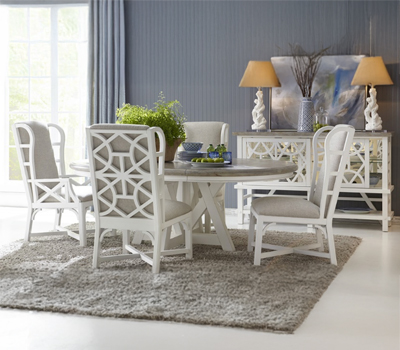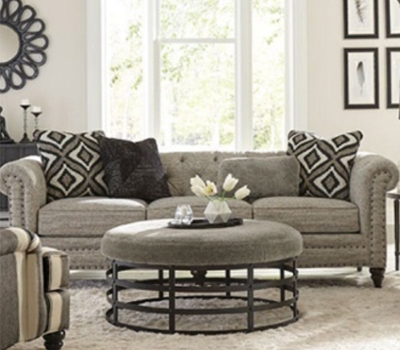
Did you know that pet damage accounts for roughly 20% of all home insurance claims, with much of it targeting furniture and fixtures? It’s a surprising statistic, often overlooked until a cherished sofa or a finely crafted table leg becomes a chew toy. Imagine spending countless hours curating your ideal living space, choosing every piece of furniture with intention, only for your energetic new puppy or anxious rescue dog to turn it into their personal playground and chew laboratory. Scratched hardwood, gnawed chair legs, a sofa perpetually covered in muddy paw prints, and the incessant barking that vibrates through your carefully chosen decor. The dream of a serene, beautiful home quickly morphs into a daily battleground, leaving you frustrated and your interior design efforts in tatters. This isn’t just about minor wear and tear; it’s about the erosion of your home’s aesthetic, your peace of mind, and the significant financial burden of constant repairs or replacements. But what if there was a way to guide your furry friend towards better behavior, ensuring both their happiness and the longevity of your beloved furniture?
The Hidden Costs of Canine Chaos: More Than Just Scratches
The impact of uncontrolled canine behavior extends far beyond the immediate damage you see. A single incident of a dog chewing on a valuable antique chair leg can cost hundreds in restoration. Persistent scratching on a leather sofa doesn’t just look bad; it can compromise the material’s integrity, leading to premature aging and the need for expensive reupholstering or outright replacement. It’s a common scenario for homeowners to reluctantly cover beautiful furniture with blankets or restrict access to entire rooms, sacrificing their design vision for the sake of survival against their furry friend’s destructive tendencies. This constant vigilance and the subsequent compromises diminish the joy of homeownership.
Beyond the tangible financial drain, there’s a significant emotional toll. The stress of constantly cleaning up accidents, repairing damage, or enduring incessant barking disrupts the very peace a well-designed home is supposed to offer. Homeowners often feel guilty, blaming themselves for their dog’s behavior, or frustrated, leading to a strained relationship with their pet. This cycle can even impact social life, as inviting guests over becomes daunting when you anticipate a flurry of destructive activity or an uncontrollable barking fit. Ultimately, a home constantly under siege by canine chaos ceases to be a sanctuary and instead becomes a source of ongoing anxiety, fundamentally undermining the comfort and beauty you worked so hard to create.
Identifying Common Destructive Behaviors
Many behaviors contribute to home destruction. Chewing is perhaps the most obvious, targeting anything from skirting boards and door frames to delicate furniture legs and expensive rugs. Puppies chew during teething, but adult dogs may chew due to boredom, anxiety, or lack of appropriate outlets. Scratching, especially on wooden doors or upholstered furniture, is another culprit, often a sign of separation anxiety or a plea for attention. Digging, while more common outdoors, can manifest indoors as tearing up carpets or digging at sofa cushions. Furthermore, marking territory, jumping on guests, or excessive barking contribute to a chaotic atmosphere that makes relaxing in your well-appointed home nearly impossible. Understanding the specific behaviors is the first step towards effective intervention.
The Emotional and Financial Toll on Your Home
The financial impact is quantifiable. Replacing a designer rug can cost upwards of $500. A chewed dining chair set might require several thousand dollars to repair or replace. Beyond direct costs, there’s the hidden cost of decreased property value if extensive damage impacts walls, flooring, or built-in elements. From an emotional perspective, the constant vigilance against pet destruction can erode the joy of living in your own space. That feeling of dread when you leave your dog alone, or the immediate scan for new damage when you return, is draining. It transforms your home from a place of relaxation and pride into a source of constant worry, impacting your mental well-being and diminishing the appreciation for your carefully curated furniture and decor.
Understanding Your Dog’s Instincts: Why They Act Out
Dogs don’t chew your antique armchair or bark endlessly out of malice. Most destructive or disruptive behaviors stem from unmet needs or a lack of understanding of appropriate outlets. It’s crucial to look beyond the immediate action and consider the underlying canine psychology. For instance, a dog might chew furniture because they’re bored, lacking sufficient mental and physical stimulation. They have energy to burn, and if not directed properly, it finds an outlet in your home furnishings. A vigorous walk or a stimulating puzzle toy can often redirect this energy away from your coffee table.
Anxiety is another major driver. Dogs suffering from separation anxiety might chew door frames or cry excessively when left alone, attempting to self-soothe or escape. Changes in routine, new environments, or even loud noises can trigger anxious behaviors. Understanding these triggers is essential. Furthermore, some behaviors are simply natural instincts. Terriers, for example, have a natural digging drive. While you don’t want them digging up your rug, acknowledging this instinct allows you to provide appropriate alternatives, like a designated digging box in the yard.
Boredom, Anxiety, and Excess Energy
A dog with too much pent-up energy or a lack of mental engagement is a prime candidate for destructive behavior. Imagine being confined to a space with nothing to do; eventually, you’d find ways to entertain yourself, which might not always align with your owner’s expectations. For dogs, this often manifests as chewing, digging, or excessive barking. High-energy breeds like Border Collies or German Shepherds require significant exercise and mental challenges daily. Without it, your beautiful home becomes their personal obstacle course or chew-toy factory. Anxiety, particularly separation anxiety, can lead to desperate attempts to escape or self-soothe, often resulting in damage to entryways or personal items. Identifying the root cause—be it boredom, anxiety, or simply unspent energy—is key to effective intervention.
Natural Chewing and Digging Drives
Chewing is a fundamental canine behavior, especially for puppies. It helps soothe gums during teething and explores the world. For adult dogs, it can be a stress reliever, a way to clean teeth, or simply enjoyable. The problem arises when dogs lack appropriate chew toys and turn to furniture. Similarly, digging is an instinctual behavior, rooted in hunting, burying food, or creating dens. While an indoor dog doesn’t need to hunt for prey, the urge remains. Providing appropriate outlets, such as sturdy chew toys designed for heavy chewers or a designated sandpit in the garden, can often satisfy these natural drives without sacrificing your home’s integrity. The goal isn’t to suppress these instincts entirely but to redirect them towards acceptable activities.
Modern Training Tools: Guiding Your Dog Towards Calm
While positive reinforcement and understanding canine psychology form the bedrock of good training, sometimes a little extra guidance can bridge the gap, especially with persistent behaviors that threaten your home’s peace and your furniture’s lifespan. This is where modern training aids, like remote training collars, come into play. It’s important to view these not as punitive devices, but as communication tools that can help your dog understand boundaries and desired behaviors more clearly and consistently.
Used responsibly, they can provide immediate, clear feedback that’s hard to achieve with verbal commands alone, especially at a distance. When your dog lunges for the sofa or starts to gnaw on a table leg, a timely beep, vibration, or low-level static correction can interrupt the unwanted behavior, allowing you to redirect them to an appropriate action. The goal is always to teach, not to punish, fostering a calmer environment that allows your carefully chosen furniture to shine.
The Role of Remote Training Collars in Behavior Correction
Remote training collars offer a unique advantage: precise timing and consistency. Unlike your voice, which can vary in tone and intensity, a remote collar delivers the same signal every time. This consistency is vital for a dog to associate a specific action (like jumping on furniture) with a specific correction. They typically offer multiple modes: a beep, a vibration, and a static stimulation (often called ‘shock’ but usually very low-level, similar to a static electricity zap). Starting with a beep or vibration is recommended, escalating to static only if necessary and at the lowest effective level. The key is to interrupt the unwanted behavior as it happens, creating a clear link for the dog and teaching them what not to do, thereby protecting your home’s interior.
Comparing Jugbow’s Effective Solutions
Jugbow offers reliable remote training collars designed for various dog sizes, providing effective solutions for common behavioral challenges. Both models boast impressive range and waterproof capabilities, making them versatile for both indoor and outdoor training scenarios. Selecting the right tool for your dog’s size and temperament is crucial for humane and effective training.
| Feature | Jugbow Shock Collar for Dogs (15-120lbs) | Jugbow Shock Collar for Small Dogs (5-30lbs) |
|---|---|---|
| Price | $39.99 | $39.99 |
| Rating (out of 5) | 4.5 (109 reviews) | 4.4 (545 reviews) |
| Dog Weight Range | 15-120 lbs | 5-30 lbs |
| Remote Range | 4200 FT | 4200 FT |
| Waterproof Rating | Waterproof | IPX8-Waterproof |
| Training Modes | Beep, Vibration, 3 Shock Levels, LED Light | Beep (1-9 levels), Vibration (1-3 levels), Safe Shock (0-1 levels) |
| Key Benefit | Versatile for medium-large breeds, robust features | Specifically designed for smaller dogs, gentler correction |
For most medium to large breeds (15-120 lbs) that are causing issues like jumping on the sofa or chewing furniture, the Jugbow Shock Collar for Dogs is an excellent choice. Its broad weight range and included LED light make it versatile for various training scenarios, even in low light, ensuring your home’s valuable items stay safe. If your furry friend is on the smaller side (5-30 lbs) but still displays behaviors like barking excessively or nipping at your home’s decor, the Jugbow Shock Collar for Small Dogs provides a tailored, gentler approach. Its IPX8 waterproof rating is a plus for accidental splashes, meaning consistent training without interruptions.
Implementing Effective Training: Steps for a Harmonious Home
Integrating a remote training collar into your routine requires a thoughtful, step-by-step approach. It’s not a magic bullet, but a tool to enhance your existing training efforts. The overarching goal is to foster a relationship built on trust and clear communication, leading to a calmer dog and a well-preserved home. Here’s how to do it effectively:
- Acclimation and Comfort: First, let your dog wear the collar (turned off) for a few hours a day for several days. This helps them get used to the feel of it and prevents them from associating the collar itself with any correction. You want them to be comfortable and oblivious to it being a training device initially.
- Master Basic Commands with Positive Reinforcement: Before introducing the remote collar, ensure your dog understands basic commands like “sit,” “stay,” and “leave it” using traditional positive reinforcement methods. Reward good behavior with treats, praise, or toys. The collar is meant to *refine* these commands, not replace the foundational learning. This groundwork is vital for building a strong bond and understanding.
- Introduce Modes Gradually: Begin training by using the beep or vibration mode. Many dogs respond well to these gentle cues. For example, if your dog is about to jump on the sofa, give the “off” or “down” command, and simultaneously use the vibration. The moment they comply, reward them heavily. This teaches them to associate the command and the vibration with the desired behavior, not just avoiding the bad one.
- Finding the Right Static Level (If Needed): If beep and vibration aren’t sufficient, move to the static correction at the lowest possible setting. The goal is to get your dog’s attention, not to cause pain or fear. Look for a subtle twitch, a head turn, or a brief pause in their activity. This is their “working level.” Test this level away from any problem behaviors. Never use the highest settings unless advised by a professional trainer, and only after exhausting lower levels.
- Timing is Everything: The effectiveness of a remote collar hinges on precise timing. The correction must occur within one to three seconds of the unwanted behavior. If your dog is chewing a furniture leg, issue your verbal command, and immediately follow with the collar correction. The instant they stop, praise them enthusiastically and redirect them to an appropriate chew toy. This clear, immediate feedback is what helps the dog understand.
- Consistency and Short Sessions: Training needs to be consistent, across all family members, and in various environments. Use the collar for short, focused training sessions (5-15 minutes) multiple times a day. Longer sessions can lead to frustration for both you and your dog. Regular reinforcement builds lasting habits. The Jugbow Shock Collar for Dogs provides various modes to help you tailor your approach, and its waterproof design means you can even practice recall during outdoor adventures, protecting your furniture from muddy paws later.
- Practice in Problem Scenarios: Once your dog reliably responds in controlled settings, slowly introduce the collar in the actual problem scenarios (e.g., when they usually jump on the sofa, or start to bark at the mailman). Start with distractions at a distance and gradually decrease the distance as they improve.
- Always End on a Positive Note: Every training session, especially those involving corrections, should end with your dog successfully completing a known command and receiving praise or a treat. This keeps training a positive experience and builds confidence.
Remember, a remote training collar is a sophisticated tool. If you encounter significant challenges or feel unsure, don’t hesitate to consult with a certified professional dog trainer. Their expertise can ensure you’re using the collar safely and effectively, contributing to a truly well-behaved dog and a beautiful, undamaged home for years to come.
From Mayhem to Masterpiece: Reclaiming Your Home’s Aesthetic
The journey from a home besieged by destructive canine behaviors to one of peaceful coexistence might seem long, but it’s entirely achievable with the right approach and tools. That initial frustration of seeing your carefully chosen furniture marred by scratches or chew marks can transform into the quiet satisfaction of a well-behaved companion. By combining understanding of **canine behavior** with thoughtful training, including effective aids like the **Jugbow Shock Collar**, you can protect your investment and restore **home harmony**. Your beautiful living space, once threatened by chaos, can once again be a testament to your personal style, enjoyed by both you and your calm, well-mannered dog.