Imagine stepping into your living room after a long day, only to be greeted by a stuffy, allergen-filled atmosphere. Instead of relaxation, you’re met with discomfort. An effective air purifier can eliminate this problem, especially in larger spaces. Choosing the right one, however, requires understanding your needs and the available options.
Why You Need an Air Purifier for a Large Room
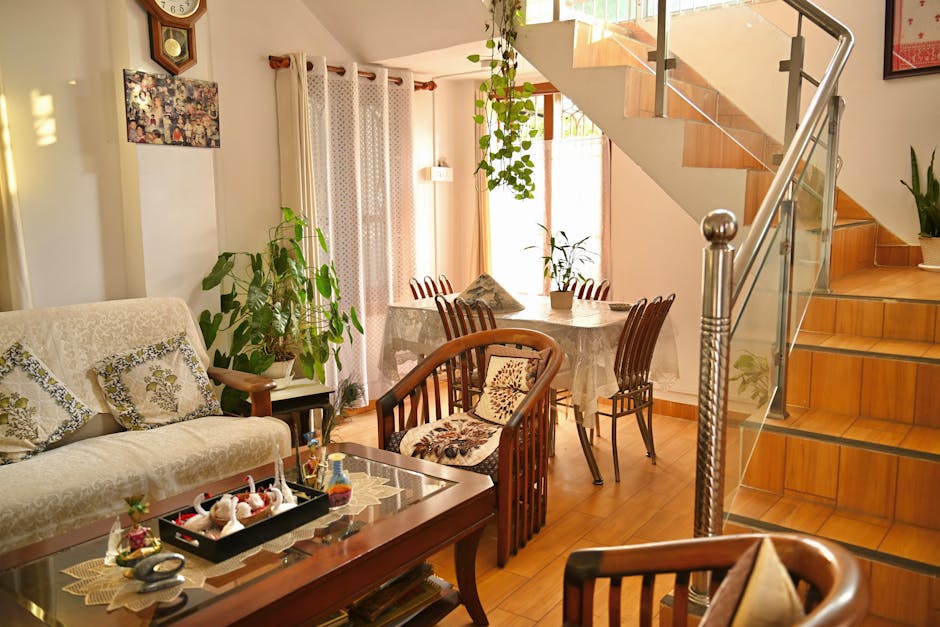
Large rooms, often exceeding 300 square feet, present unique air quality challenges. They accumulate more pollutants, dust, and allergens than smaller spaces. Cooking odors linger longer, pet dander spreads further, and seasonal pollen infiltrates every corner. An air purifier specifically designed for large rooms can effectively combat these issues, improving your overall health and comfort. Consider the impact on family members with allergies or asthma; cleaner air can significantly reduce symptoms and improve their quality of life.
What to Look For in an Air Purifier
Selecting the perfect air purifier involves considering several crucial factors:
- Coverage Area (CADR): CADR, or Clean Air Delivery Rate, measures how quickly an air purifier cleans a room of a specific size. Look for a CADR rating that matches or exceeds the square footage of your largest room. For example, a room that is 500 square feet should have a CADR rating of at least 300 for dust, pollen, and smoke.
- Filtration System: A multi-stage filtration system is essential for comprehensive air purification. This typically includes a pre-filter (for large particles like dust and pet hair), a HEPA filter (for removing fine particles like pollen and mold spores), and an activated carbon filter (for absorbing odors and gases). True HEPA filters capture 99.97% of particles 0.3 microns in size.
- Air Quality Sensors: Some air purifiers have built-in sensors that monitor the air quality in real-time. These sensors can automatically adjust the fan speed to maintain optimal air quality, saving energy and extending the lifespan of the filters.
- Noise Level: Consider the noise level, especially if you plan to use the air purifier in a bedroom or office. Look for models with a low noise level (below 30 dB) on the lowest setting. Many also have a sleep mode that further reduces noise and dims the lights.
- Energy Efficiency: Air purifiers can run continuously, so energy efficiency is important. Look for models with an Energy Star rating to minimize energy consumption and lower your electricity bill.
- Filter Replacement Costs: Factor in the cost of replacing the filters. Some air purifiers use expensive proprietary filters, while others use more affordable generic options. Check the filter replacement frequency recommended by the manufacturer.
- Smart Features: Some air purifiers offer smart features like Wi-Fi connectivity, app control, and voice assistant compatibility. These features allow you to monitor and control the air purifier remotely.
Common Mistakes to Avoid When Buying an Air Purifier
Purchasing an air purifier without careful consideration can lead to disappointment and wasted money. Avoid these common mistakes:
- Ignoring Room Size: Buying an air purifier that is too small for your room will result in inadequate air cleaning. Always check the CADR rating and ensure it matches your room size.
- Overlooking Filter Quality: Not all HEPA filters are created equal. Look for a true HEPA filter that meets industry standards for particle removal. Avoid misleading terms like “HEPA-like” or “HEPA-type.”
- Neglecting Maintenance: Air purifiers require regular maintenance, including cleaning and replacing filters. Neglecting maintenance will reduce their effectiveness and shorten their lifespan.
- Focusing Solely on Price: While price is a factor, don’t sacrifice quality for a lower price. Cheaper air purifiers may have lower CADR ratings, less effective filters, and shorter lifespans.
- Ignoring Odor Control: If you are concerned about odors, choose an air purifier with an activated carbon filter. This type of filter is specifically designed to absorb odors and gases.
Beyond the Device: Optimizing Air Quality Naturally
An air purifier is a powerful tool, but it’s most effective when combined with other strategies to improve indoor air quality. Simple changes in your habits and home environment can make a significant difference. Regular cleaning, for example, minimizes dust and allergens. Vacuuming carpets and rugs at least once a week, ideally with a HEPA filter-equipped vacuum, removes trapped particles. Dust surfaces with a damp cloth to prevent particles from becoming airborne.
Ventilation is also key. Opening windows regularly, even for a few minutes a day, allows fresh air to circulate and helps remove stale, polluted air. Ensure proper ventilation in bathrooms and kitchens to prevent mold and mildew growth, which can exacerbate allergies and respiratory problems.
Certain houseplants can also contribute to cleaner air. Plants like snake plants, spider plants, and peace lilies are known for their ability to filter out common indoor pollutants such as formaldehyde and benzene. Strategically placing these plants throughout your home can enhance air quality naturally.
Featured Air Purifier: LEVOIT Vital 100S
The LEVOIT Air Purifier for Home Large Room Up to 1073Ft² with Air Quality Monitor, AHAM VERIFIDE, Smart WiFi, Washable Pre-Filter, HEPA Sleep Mode for Pets, Allergies, Dust, Pollen, Vital 100S is a top contender for large room air purification. With a coverage area of up to 1073 square feet, it’s well-suited for living rooms, bedrooms, and open-concept spaces. Its key features include:
- Large Room Coverage: Effectively cleans rooms up to 1073 sq ft, making it suitable for most living spaces.
- Air Quality Monitor: Automatically adjusts fan speed based on real-time air quality readings.
- Smart WiFi Control: Control the air purifier remotely via the VeSync app.
- Three-Stage Filtration: Pre-filter, HEPA filter, and activated carbon filter work together to remove particles, odors, and gases. The washable pre-filter helps extend the life of the main filters.
- Sleep Mode: Operates at a near-silent noise level for undisturbed sleep.
- AHAM Verified: Independently tested and certified for performance.
The Vital 100S boasts a CADR rating of 240 CFM (Cubic Feet per Minute), demonstrating its ability to quickly and effectively clean the air in large spaces. It consumes approximately 33 watts of power on its highest setting, making it relatively energy-efficient. Its noise level ranges from 24dB to 52dB, depending on the fan speed.
Quick Comparison
| Feature | LEVOIT Vital 100S | LEVOIT Humidifier (Ti) |
|---|---|---|
| Type | Air Purifier | Humidifier |
| Coverage Area | Up to 1073 sq ft | Large Room |
| Filtration | Pre-filter, HEPA, Activated Carbon | N/A |
| Smart Features | Wi-Fi, App Control | Humidity Sensor |
| Noise Level | 24-52 dB | Whisper Quiet |
| Price | $113.95 | $81.95 |
Considering a Humidifier Too?
While this article focuses on air purifiers, maintaining optimal humidity levels is also crucial for respiratory health and overall comfort. The LEVOIT Humidifiers for Bedroom Large Room Home, 6L Warm and Cool Mist Ultrasonic Air Vaporizer offers both warm and cool mist options and a built-in humidity sensor to maintain ideal moisture levels. It also functions as an essential oil diffuser, adding another layer of comfort to your home. Check availability.
Maintaining Your Air Purifier
To ensure your air purifier continues to function optimally, regular maintenance is essential. This primarily involves cleaning or replacing the filters. The pre-filter, which captures larger particles, should be cleaned every 2-4 weeks, depending on the amount of dust and debris in your home. Most pre-filters can be easily washed with water and mild soap.
The HEPA filter and activated carbon filter have a limited lifespan and need to be replaced periodically. The replacement frequency varies depending on the model and usage, but typically ranges from 6 months to 1 year for the HEPA filter and 3-6 months for the activated carbon filter. Refer to the manufacturer’s instructions for specific recommendations. Using the air purifier in a particularly dusty environment or with heavy use of scented candles or air fresheners may require more frequent filter replacements.
In addition to filter maintenance, regularly wipe down the exterior of the air purifier with a damp cloth to remove dust and grime. This helps prevent dust from accumulating and potentially clogging the air vents. Also, be sure to vacuum or sweep around the air purifier to remove any dust or debris that may have accumulated on the floor.
Conclusion
Investing in the right air purifier for a large room is an investment in your health and well-being. By understanding your needs, considering key features like CADR rating and filtration system, and avoiding common mistakes, you can choose an air purifier that effectively cleans your air and creates a healthier home environment in 2026. See current deal on the LEVOIT Vital 100S and breathe easier today.