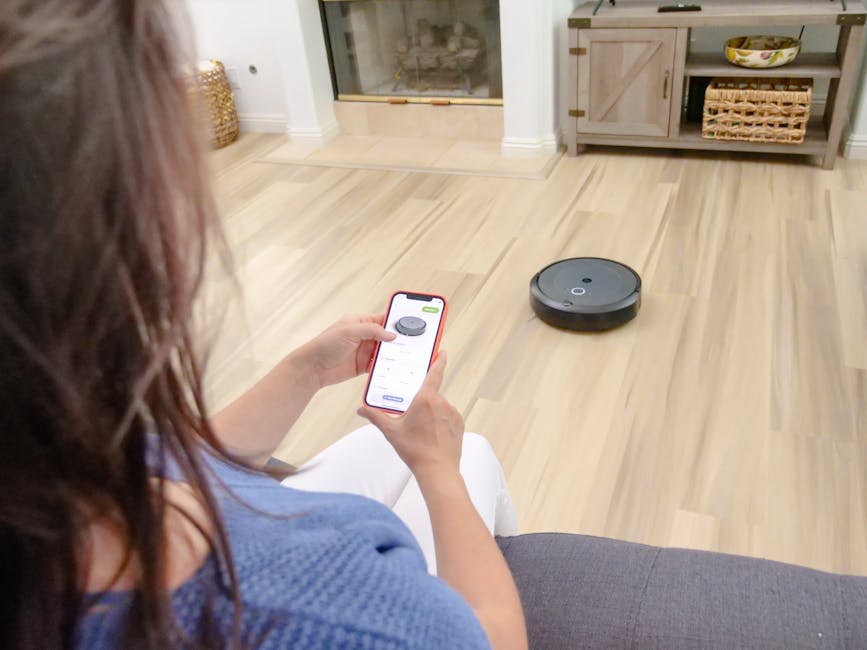
It’s estimated that the average homeowner spends over 10 hours a week on cleaning and home maintenance. That’s nearly a full workday lost to chores. For many, this isn’t just about time; it’s about the mental load, the impact on leisure, and the constant battle to keep a beautiful home looking its best. The good news? Modern technology and thoughtful design are converging to reclaim those hours, turning burdensome tasks into nearly invisible processes. We’re moving beyond just smart thermostats to a fully integrated home where maintenance feels less like a chore and more like an automated convenience.
The Evolving Landscape of Home Maintenance: Beyond the Broom
Home maintenance isn’t just about fixing things when they break; it’s a continuous effort to preserve aesthetics and functionality. For decades, this meant manual labor: scrubbing floors, dusting shelves, and tackling outdoor spaces with heavy equipment. Today, the landscape looks dramatically different. Smart devices are transforming how we approach everything, from interior cleaning to outdoor upkeep, making our homes not just smarter, but truly more livable.
Consider the modern home with sprawling outdoor areas, perhaps including a pool. What was once a significant time sink for cleaning and chemical balancing is now ripe for automation. Homeowners today aren’t just looking for tools; they’re seeking integrated solutions that fit seamlessly into their lifestyle and home design. This isn’t just about convenience; it’s about maintaining a high standard of living without the constant grind. It frees up weekends for family, hobbies, or simply relaxing in the meticulously maintained space you’ve invested in.
The shift is profound. We’re no longer just talking about turning lights on with our voice. We’re talking about systems that learn our habits, anticipate needs, and execute tasks with minimal human intervention. This means less physical strain, fewer forgotten tasks, and a consistently well-maintained environment. It’s about technology to ensure every part of your home, inside and out, reflects the care and investment you’ve put into it, all while demanding less of your precious time.
The Hidden Costs of Traditional Home Care
Manual home maintenance carries more than just the obvious time cost. There’s the expense of specialized cleaning products for every surface, the wear and tear on your body, and the inconsistent results that often come with hurried efforts. For pool owners, traditional cleaning can involve heavy leaf nets, manual vacuuming, and constant chemical testing. This is not only labor-intensive but can also lead to over-application of chemicals or missed spots, impacting water quality and potentially shortening the lifespan of your pool’s surfaces.
Beyond the pool, consider outdoor furniture that requires regular scrubbing, or even the tedious task of cleaning gutters. These tasks pile up, creating a significant mental burden. The cumulative effect of these small, recurring chores can deter homeowners from fully enjoying their spaces. It’s an invisible tax on your peace of mind and your wallet if you have to hire professionals regularly. Modern smart solutions aim to mitigate these hidden costs by providing consistent, efficient, and often more precise care.
Integrating Smart Tech into Daily Routines
True smart home management isn’t about isolated gadgets; it’s about a cohesive ecosystem. This means connecting devices that previously operated independently. For instance, imagine a pool cleaner that can communicate with your smart home hub, allowing you to schedule cleanings or check its status from your phone, alongside your smart lights and security system. This level of integration streamlines control and offers a holistic view of your home’s operational status.
Integrating smart technology doesn’t have to be overwhelming. Start with key areas where automation can make the biggest impact. For many, outdoor maintenance is a prime candidate, especially tasks like pool cleaning. The goal is to set it and forget it, knowing that your home is working smarter, not harder. This includes devices that learn your environment, adapt to changing conditions, and even notify you when maintenance is required, such as filter cleaning or water top-offs. The convenience translates directly into more free time and a consistently pristine living space.
A Deep Dive into Robotic Pool Cleaning: Beatbot AquaSense Models Compared
For those with a pool, the idea of truly effortless maintenance often feels like a distant dream. But advancements in robotic pool cleaners have made it a reality. Beatbot, a leader in this space, offers solutions that integrate cutting-edge technology to handle everything from floor scrubbing to water clarification. These aren’t just vacuums; they’re intelligent systems designed to optimize pool health and cleanliness.
The key benefits of these robotic cleaners are multifaceted. They operate independently, freeing up significant time. Their precise cleaning patterns and powerful suction ensure comprehensive coverage, often surpassing what’s achievable with manual methods. Furthermore, many models, like the Beatbot series, include water clarification features, reducing the reliance on external filtration systems and chemicals. This leads to clearer water, healthier swimming environments, and less work for you.
| Feature | Beatbot AquaSense 2 Ultra | Beatbot AquaSense 2 Pro |
|---|---|---|
| Price | $2799.00 | $1799.00 |
| Rating | 4.3/5 (159 reviews) | 4.3/5 (382 reviews) |
| Pool Size Capacity | Complex Pools (AI Mapping) | Up to 3,875 Sq.ft |
| Navigation/Mapping | AI Camera with Smart Surface Parking | Surface Parking, Intelligent Pathing |
| Cleaning Capabilities | 5-in-1 (Floor, Walls, Waterline, Surface Skimming, Water Clarification) | 5-in-1 (Floor, Walls, Waterline, Surface Skimming, Water Clarification) |
| Control | APP Control | APP Control |
| Cordless | Yes | Yes |
Beatbot AquaSense 2 Ultra: The Ultimate Solution
For homeowners with large, irregularly shaped, or particularly complex pools, the Beatbot AquaSense 2 Ultra stands out. This flagship model is designed to tackle the most demanding environments, AI camera mapping to navigate intricate layouts with precision. It doesn’t just clean; it learns your pool’s unique geography, optimizing its path for maximum efficiency. The 5-in-1 cleaning capability means it not only vacuums floors, walls, and waterlines but also actively skims the surface and clarifies the water, essentially acting as a comprehensive pool technician in a compact package. Its Smart Surface Parking feature ensures it’s always accessible when you need it, avoiding awkward retrieval. At $2799.00, it’s a significant investment, but the level of automation and thoroughness it provides offers unparalleled peace of mind and frees up countless hours.
Beatbot AquaSense 2 Pro: Smart Cleaning for Most
While the Ultra caters to complex needs, the Beatbot AquaSense 2 Pro offers an incredibly robust solution for most standard-sized pools up to 3,875 sq.ft. Priced at $1799.00, it delivers the same core 5-in-1 cleaning excellence, covering floors, walls, waterlines, surface skimming, and water clarification. The Pro model still features surface parking and APP control, making scheduling and operation incredibly straightforward. Its intelligent pathing ensures thorough coverage, and the cordless design means no tangled cables or power outlet limitations. For the majority of pool owners seeking a powerful, reliable, and intelligent robotic cleaner without the need for AI camera mapping specific to highly complex designs, the AquaSense 2 Pro is an outstanding choice that balances performance with value.
Preserving Your Investments: Essential Furniture Care Tips
Even with the most advanced smart home systems, the beauty and longevity of your furniture still hinge on thoughtful care. These are the pieces that define your living spaces, offering comfort and style. Protecting them from daily wear and tear ensures they remain cherished elements of your home for years to come. It’s not just about cleaning; it’s about understanding materials and proactive maintenance.
Proper furniture care extends beyond simple dusting. It involves understanding the nuances of different materials, from solid wood to delicate upholstery and resilient outdoor synthetics. Each type requires a specific approach to maintain its integrity and appearance. Neglecting these details can lead to premature aging, discoloration, or structural damage, diminishing both the aesthetic and functional value of your investment. A little knowledge goes a long way in ensuring your furniture stays looking its best.
Routine Cleaning for Different Materials
- Wood Furniture: Dust regularly with a soft, lint-free cloth. For deeper cleaning, use a wood-specific cleaner, applying it to your cloth first, not directly to the furniture. Avoid silicone-based polishes, which can build up over time. Aim for a light polish every few months to nourish the wood and maintain its luster.
- Upholstered Pieces: Vacuum weekly using the upholstery attachment to remove dust and crumbs. For spills, blot immediately with a clean, dry cloth. Depending on the fabric, a mild soap and water solution or a professional upholstery cleaner might be necessary for tougher stains. Always test in an inconspicuous area first.
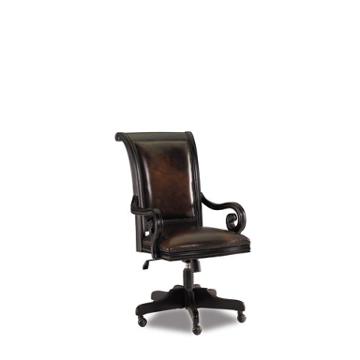
- Leather Furniture: Dust with a soft cloth. For minor cleaning, wipe with a damp cloth and mild soap (like saddle soap), then dry immediately. Condition leather every 6-12 months to prevent drying and cracking. Keep leather away from direct sunlight and heat sources to prevent fading and damage.
- Outdoor Furniture: Most outdoor pieces, whether wrought iron, aluminum, or synthetic wicker, benefit from a seasonal wash with mild soap and water. Rinse thoroughly and allow to air dry. For fabrics, check manufacturer recommendations for spot cleaning or machine washing covers. During harsh weather, consider using furniture covers or storing items indoors to extend their lifespan.
Strategic Placement for Longevity
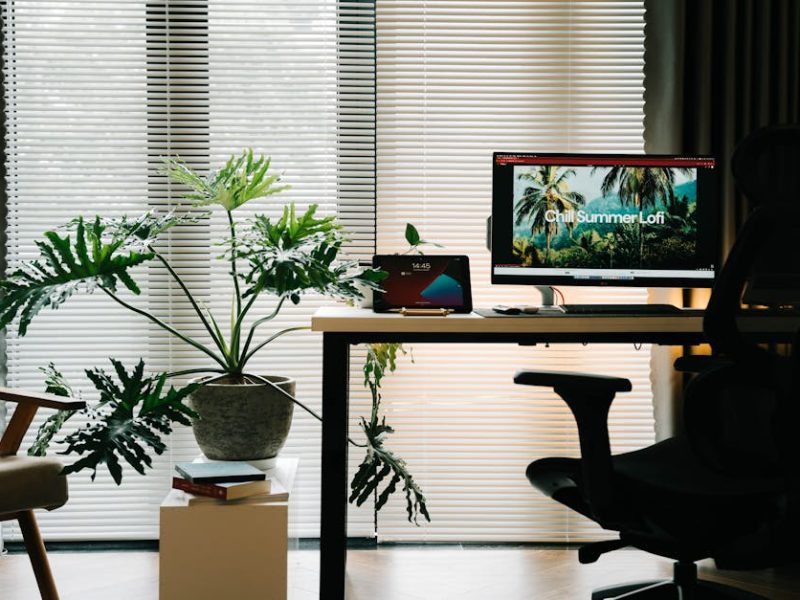
Where you place your furniture can dramatically affect its lifespan. Direct sunlight, for instance, can cause wood to warp, fabrics to fade, and leather to dry out and crack. Try to position pieces away from direct windows or use UV-filtering curtains or blinds. Similarly, extreme temperature fluctuations from radiators, fireplaces, or air conditioning vents can be detrimental.
Think about traffic patterns in your home. High-traffic areas mean more wear and tear on upholstery and finishes. Rotating cushions and occasionally rearranging furniture can help distribute wear evenly. For heavy pieces, use furniture pads to prevent scratches on floors and make moving easier. These small, thoughtful considerations contribute significantly to the long-term preservation of your cherished furniture.
Smart Design Integration: Making Tech Invisible
The biggest mistake in smart home design is treating technology as an add-on, rather than an integrated component. Your smart devices shouldn’t scream for attention; they should blend seamlessly into your home’s aesthetic, enhancing functionality without visual clutter. A truly well-designed smart home feels intuitive and elegant, where the technology works quietly in the background, making life easier without dominating the visual space.
This approach moves beyond merely hiding wires. It involves selecting devices that offer aesthetic appeal, or designing custom enclosures that match your existing decor. Think about built-in charging stations, strategically placed smart speakers that disappear into bookshelves, or even robotic cleaners that have elegant docking stations. The goal is to achieve a harmonious balance between cutting-edge functionality and sophisticated interior design. Technology should serve your lifestyle and enhance your home’s beauty, not detract from it.
Concealing Smart Devices for Seamless Aesthetics
Achieving a truly integrated look often means getting creative with how you conceal smart devices. For example, instead of a visible charging dock for your robotic vacuum in a prominent area, consider tucking it away in a utility closet or a cleverly designed alcove under a staircase. Smart speakers can be recessed into walls or ceilings, or chosen in colors that match your decor. Even smart displays can be mounted flush or disguised as artwork when not in use.
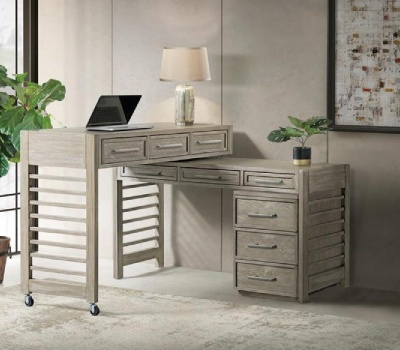
Cabling is another major offender when it comes to visual clutter. Invest in in-wall cable management systems or furniture specifically designed to hide cords. Furniture with built-in charging ports or compartments for routers and media devices can make a huge difference. The less visible the tech infrastructure, the more your design elements can shine, creating a calming and sophisticated environment.
The Future of Integrated Home Design in
Looking ahead to , we anticipate an even deeper integration of smart technology into the very fabric of our homes. This won’t just be about devices; it will be about materials and architecture themselves becoming ‘smart.’ Imagine intelligent surfaces that can clean themselves, or walls that adapt their opacity based on ambient light. The line between technology and design will blur further, with homes intuitively responding to our presence and needs. The focus will be on predictive systems that anticipate our desires, making our living spaces more responsive, efficient, and ultimately, more enjoyable without ever feeling overtly technological.
The True Value of Smart Home Investments
Investing in smart home solutions, whether it’s an advanced robotic pool cleaner or integrated design elements, is an investment in time, peace of mind, and the sustained beauty of your home. It’s about creating an environment that works for you, freeing you from the mundane and allowing you to truly savor your living spaces. These innovations aren’t just gadgets; they are foundational components of a truly modern, effortless lifestyle.