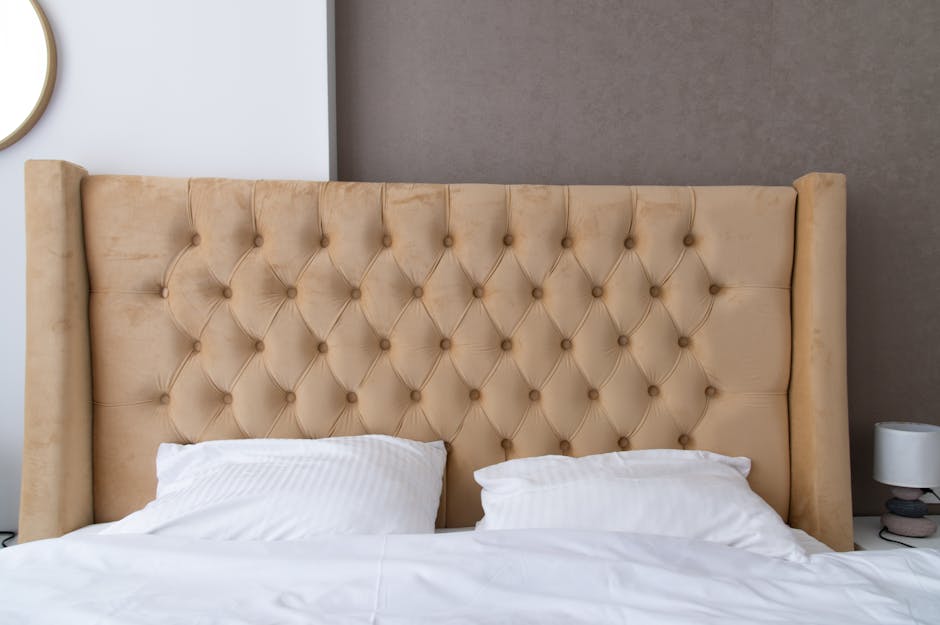
The average person sweats roughly 26 gallons of fluid into their mattress per year. Most people have no idea that’s happening — until a permanent stain appears that no spot cleaner touches, or until they flip a mattress and see what’s been accumulating underneath. A waterproof mattress pad is the only real prevention, and the BEDLORE Quilted Fitted Mattress Pad at $32.99 for the full size has become one of the most-searched options in its price bracket. Here’s the complete breakdown of what it actually delivers: waterproofing performance, noise levels, fit across different mattress depths, washing durability, and where it genuinely falls short compared to pricier competitors like SafeRest and Luna.
Unboxing and First Impressions: What $32.99 Actually Buys You
The BEDLORE arrives compressed inside a sealed plastic bag — roughly the size of a standard bed pillow. Pull it out and it takes about five to ten minutes to fully expand to its true shape. That’s normal behavior for quilted bedding compressed for shipping and doesn’t affect the product’s function.
The top surface is a soft cotton-polyester blend quilted fabric. Running your hand across it, it feels like a thin comforter — not scratchy, not stiff, nothing like the crinkly plastic feel that puts most people off waterproof protection. Underneath that quilted layer sits a laminated TPU (thermoplastic polyurethane) membrane. That’s the material doing the waterproofing work. TPU is meaningfully different from PVC or vinyl — it’s thinner, more flexible, less noisy, and bonds to fabric more tightly than vinyl backings do. It’s also why this pad behaves like a quilted bed cover rather than a piece of packaged food.
Full size dimensions: 54 inches wide by 75 inches long, with a fitted skirt that stretches to accommodate mattresses from 6 to 15 inches deep. The elastic runs the full perimeter of the pad — not just at the four corners. That full-perimeter elastic is a genuine functional advantage over corner-tab-only designs, which tend to bunch, shift, and expose mattress edges during the night.
Construction and Materials
The quilted fill sits sandwiched between the cotton-blend top and the TPU membrane underneath. The fill weight is roughly 200–250 GSM — equivalent to a lightweight quilt. That adds a small amount of surface softness but doesn’t transform the feel of a firm mattress. This is a protector, not a comfort topper. Anyone expecting the BEDLORE to meaningfully change how a mattress feels underfoot is looking at the wrong product category entirely.
What the quilted fill does accomplish: it absorbs surface moisture before it can pool against the waterproof membrane. Sweat absorbed by the cotton layer sits above the TPU barrier rather than wicking down to it, which keeps the membrane drier and extends its functional lifespan. The stitching throughout is tight and even — no loose threads, no puckering at the seams. Color for the full size is white, which pairs cleanly with any fitted sheet and doesn’t create a visible line through lightweight bedding.
The BEDLORE full size quilted mattress pad can be used directly out of the bag, though running it through one cold wash cycle before first use is worth doing to remove any manufacturing residue and pre-shrink the cotton blend.
Build Quality at First Touch
Squeeze the pad in your hands. Listen. Nothing. No crinkle, no plastic rustle. That’s the first test most people do when handling a waterproof pad for the first time, and the BEDLORE passes it cleanly. The TPU lamination is well-bonded to the fabric above — it doesn’t shift or separate when the pad is compressed and released.
Compare that to the basic Utopia Bedding Mattress Protector at around $14.99, which has a vinyl backing that produces an audible crinkle with any compression. The BEDLORE costs roughly twice as much, and the construction difference is immediately apparent at first touch.
Waterproof Testing: Spills, Sweat, and Midnight Accidents
The packaging says waterproof. Here’s what that actually looks like in practice across the three scenarios that matter most to buyers.
Does It Block Liquid Without Soaking Through?
Yes, clearly and reliably. Eight ounces of water poured directly onto the surface beads up and pools without penetrating the fabric for well over a minute — more than enough time to grab a towel and blot it up before any liquid reaches the mattress. For slower saturation events — pet accidents, a spilled glass absorbed gradually, nighttime sweating — the TPU layer maintains the barrier without fail.
The only realistic weak point is the perimeter seam. If liquid pools at the very edge of the pad and the pad has shifted so that a corner is exposed, capillary action can wick around the barrier at the seam line. The full-perimeter elastic dramatically reduces this risk by keeping the pad properly centered on the mattress, but it’s worth knowing this edge-case failure mode exists with any fitted waterproof pad design.
Is There Any Crinkling Noise When You Move?
No crinkling. This turns out to matter far more than people expect before they sleep on a waterproof pad for the first time. Vinyl-backed protectors produce a distinct plastic rustling noise every time a sleeper shifts position — audible enough to interrupt sleep and annoying enough that many people remove waterproof protection entirely after one night on a cheap pad. That noise is the single biggest reason people stop using mattress protectors.
The BEDLORE’s bonded TPU construction eliminates this. The waterproof layer moves with the quilted fabric rather than sliding freely underneath it, which kills the noise at the source. Side sleepers who change positions multiple times per night won’t notice the pad is there at all.
How Does It Handle Overnight Sweating?
The cotton-blend top layer absorbs surface moisture before it can pool. Sweat passes through the cotton, gets held above the TPU membrane, and doesn’t reach the mattress. That’s the correct behavior for this type of construction. The pad wicks moisture away from the sleep surface, which keeps things drier than a bare mattress cover would.
One honest caveat: waterproof membranes always run slightly warmer than unprotected mattress surfaces. The TPU layer reduces airflow compared to sleeping directly on a mattress cover. For most people in three-season conditions, the difference is minor. For people who already run hot at night, it’s worth factoring into the buying decision.
Sizing Guide: Which Mattresses Actually Fit the 6″–15″ Deep Pocket
The 6″–15″ claim covers most mainstream mattresses, but fit quality varies significantly across that range. Buying without measuring first is the most common mistake with this type of pad.
| Mattress Depth | Fit Quality | Notes |
|---|---|---|
| 6″–8″ (thin/guest mattress) | Functional, slightly snug | Elastic near max tension; pad holds position but may show slight corner puckering |
| 9″–11″ (standard innerspring) | Excellent | Sweet spot — elastic sits at midrange, smooth coverage, no bunching or shifting |
| 12″–14″ (memory foam, hybrid) | Good | Elastic stretches noticeably but maintains grip; stable through the night |
| 15″ exactly | Marginal | Elastic at maximum stretch; works, but zero margin — one extra inch and it won’t |
| 16″+ | Will not fit | Look at SafeRest Premium ($38–$42) or Luna Premium ($38), both rated to 18″ |
Specific mattress models to check before ordering: the Saatva Classic measures 14.5″ deep, the Purple Plus is 13″, the Casper Wave Hybrid is 13″, and the Tempur-Pedic LuxeAdapt is 13.8″. All of these fall within the BEDLORE’s range, but just barely on the thicker end. Measure the actual mattress — not the spec sheet, which sometimes excludes the mattress cover itself — before ordering.
Mattresses over 15″ deep are a hard no for this pad. The Sealy Posturepedic Plus at 16″, many pillow-top designs, and thick Euro-top models won’t accommodate the fitted skirt. For those, the SafeRest Premium Hypoallergenic Mattress Protector at $38–$42 fits up to 18″ and carries OEKO-TEX certification.
When to Choose the Twin Size Instead
The same TPU waterproof construction and full-perimeter elastic design is available in twin size: the BEDLORE Twin in gray at $29.99, measuring 39″ x 75″. The gray colorway is a practical choice for kids’ rooms and bunk beds — it hides staining and gradual discoloration far better than white does over years of active use. Both sizes use identical construction and carry the same 6″–15″ depth compatibility.
The Breathability Trade-Off, Explained
Every waterproof membrane limits airflow to some degree — that’s physics, not a brand shortcoming. The BEDLORE uses a vapor-permeable TPU layer, which means moisture vapor can pass through it, but total airflow is lower than an unprotected mattress surface. For most sleepers in most climates, this is a non-issue. For hot sleepers in warm, humid environments, it’s a real variable worth weighing before committing.
How to Wash It Without Wrecking the Waterproofing
Most one-star reviews for waterproof mattress pads trace back to one root cause: washing them incorrectly. The TPU membrane is heat-sensitive. That’s the single fact that determines whether a pad lasts two years or five.
Step-by-Step Washing Instructions
- Machine wash cold — not warm, not hot. Heat degrades the bond between the TPU membrane and the fabric above it. Every high-temperature wash shortens the waterproofing lifespan. Cold water only.
- Gentle or delicate cycle — the quilted fill doesn’t need aggressive agitation. High-spin cycles also stress the seams unnecessarily.
- No fabric softener — softener coats the cotton fiber surface and reduces its moisture-wicking ability over time. It also weakens membrane adhesion with repeated exposure. Skip it entirely, every wash.
- No bleach — destroys both the fabric weave and the TPU lamination adhesion. There’s no safe bleach application for this type of product.
- Tumble dry on low heat only — if the pad is still slightly damp after a low-heat dryer cycle, hang it to air-dry the rest of the way rather than running another cycle.
- Never iron — the TPU layer melts under a hot iron. This is not a precautionary warning; it’s a certainty.
Mistakes That Kill Waterproof Pads Early
- Washing on warm or hot to “sanitize” — the heat does more damage to the membrane than the bacteria it’s meant to kill
- Running a full 60-minute dryer cycle on medium or high heat — same cumulative damage as hot washing
- Folding and storing while still damp — causes mildew to develop inside the quilted fill layer that can’t be removed by rewashing
- Using dryer sheets — similar chemistry to fabric softener; they coat fibers and gradually reduce performance
With correct care — cold wash, low-heat dry, no softener — the waterproofing typically holds through 3 to 5 years of weekly washing. The first reliable sign that the membrane has failed is water pooling on the fabric surface rather than beading up. When that happens, the pad needs replacing.
BEDLORE vs. Alternatives: Who This Pad Is Actually For
For a standard 10″–14″ mattress where allergen certification isn’t a priority, the BEDLORE Full Size at $32.99 is the best value waterproof pad in its price bracket. It beats the Utopia Bedding Mattress Protector ($14.99) on noise elimination and material construction, and undercuts SafeRest and Luna by $5–$9 without meaningful performance loss on non-deep beds.
| Product | Price (Full) | Max Mattress Depth | Allergen Certification | Noise |
|---|---|---|---|---|
| BEDLORE Quilted Mattress Pad | $32.99 | 15″ | None listed | None |
| SafeRest Premium Protector | $38–$42 | 18″ | OEKO-TEX certified | Minimal |
| Luna Premium Waterproof Pad | $38 | 18″ | Yes | Minimal |
| Utopia Bedding Mattress Protector | $14.99 | 14″ | None | Audible crinkle |
| Protect-A-Bed AllerZip Smooth | $45–$55 | 18″ | Yes | None |
Buy the BEDLORE for mattresses under 14″ deep, when you want a quilted surface rather than a bare thin membrane, and when noiseless sleep is a priority. It’s the right call for parents protecting kids’ mattresses, pet owners, anyone who’s replaced a mattress once and has no intention of doing it again, and renters protecting mattresses they don’t own.
Skip it if your mattress exceeds 15″ — the SafeRest Premium at $38–$42 handles up to 18″ and is worth the extra cost on thick hybrids. Skip it if someone in your household has diagnosed dust mite allergies or asthma — the Luna Premium and Protect-A-Bed AllerZip both carry independent allergen barrier certifications that BEDLORE currently does not. And skip it entirely if you’re looking for comfort padding — the LUCID 3-Inch Memory Foam Mattress Topper ($60–$80) is the right category for that job.
For everyone else, the BEDLORE quilted waterproof mattress pad does exactly what it claims — quietly, durably, and at a price point that doesn’t require justification.