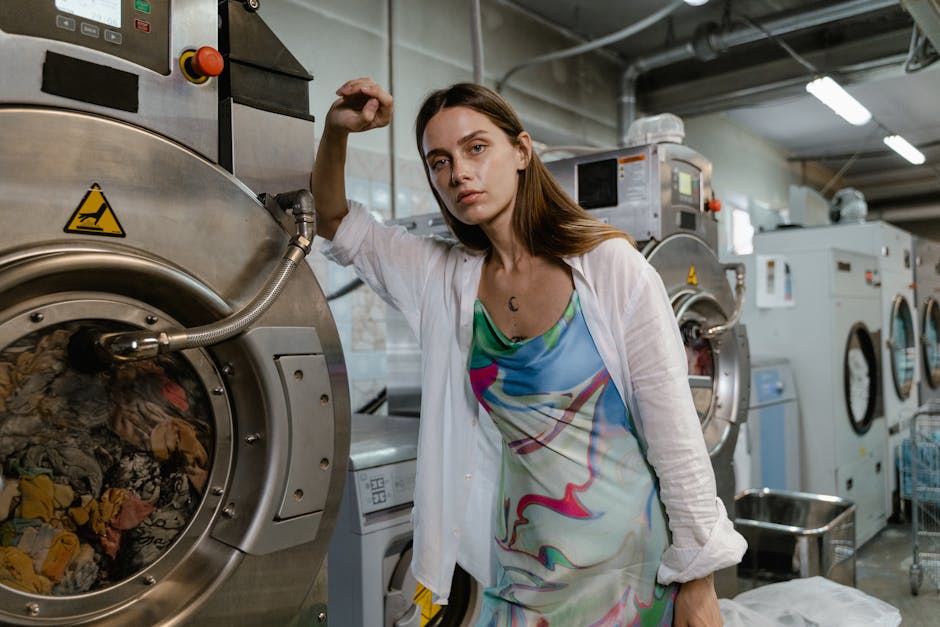
Why do your clothes look terrible after a few washes? It’s not always the garment. Most of you are doing laundry wrong. You’re overcomplicating it, using the wrong products, or just being lazy. Let’s fix that. Your expensive shirts deserve better than premature fading and pilling.
What’s Actually Destroying Your Expensive Clothes?
Look, I’m going to be blunt. Most people wreck their clothes because they ignore the basics. It’s not some grand mystery. You’re either overloading the machine, using too much detergent, washing everything in hot water, or just not sorting properly. These aren’t minor oversights; they’re destructive habits.
Overloading is a huge culprit. Your clothes need room to move, to tumble, to get clean. Stuffing the drum means items rub against each other more aggressively, leading to pilling and wear. It also means they don’t get rinsed properly, leaving detergent residue that stiffens fabrics and dulls colors. And don’t even get me started on hot water. It’s unnecessary for most loads and a guaranteed way to shrink natural fibers and fade dyes. You don’t need a boiling cauldron for everyday dirt.
The Detergent Dilemma: Less is More
You think more soap equals cleaner clothes? Wrong. It’s the opposite. Excess detergent doesn’t rinse out. It leaves a sticky film, attracts more dirt, and can even damage your washing machine over time. Stick to the recommended amount, maybe even a little less for lightly soiled loads. Your machine and your clothes will thank you.
Heat: The Silent Killer
Hot water is for sanitizing things like diapers or heavily soiled rags, not your everyday wardrobe. For almost everything else, cold or warm water is perfectly fine. It saves energy, prevents shrinking, and keeps colors vibrant. If a garment says "cold wash only," they mean it. Don’t test fate.
Sorting: It’s Not Rocket Science, But You’re Doing It Wrong
You think throwing all your whites, darks, and colors into one load is efficient? It’s not. It’s a fast track to dull colors and graying whites. This isn’t optional; it’s fundamental. If you can’t be bothered to sort, don’t complain when your new white tee looks like it’s been through a mud wrestling match.
- Whites Only: This is non-negotiable. Whites should always be washed separately. Even a single colored sock can bleed and ruin an entire load. Use hot or warm water with a good detergent, and bleach only when necessary and safe for the fabric.
- Darks: Keep your blacks, navy blues, and dark grays together. Always wash them in cold water to prevent fading. Turning them inside out helps immensely.
- Lights/Colors: These are your pastels, brights, and medium tones. Wash them in cold water. Again, turning them inside out is a good practice to protect the outer surface from friction and fading.
- Delicates: Lingerie, silk, lace, or anything with intricate detailing needs special treatment. Always wash these in a mesh bag on a delicate cycle with cold water. Seriously, use the bag. It prevents snags and stretching.
- Towels & Sheets: Wash these separately from clothes. They’re usually heavily soiled and can shed lint, which clings to other garments. Use warm to hot water for hygiene, but check care labels.
Understanding Fabric Types
Beyond color, consider fabric. Denim, for example, is tough and can damage delicate items. Synthetics (polyester, nylon) dry quickly and don’t need high heat. Natural fibers (cotton, linen, wool, silk) react differently to heat and agitation. Always read the care label. It’s there for a reason, not just decoration.
Pre-Treat Stains Immediately
Don’t let a stain sit. The longer it dwells, the harder it is to remove. Tackle it before it dries and sets. A dab of liquid detergent or a specific stain remover applied directly to the spot can save a garment from the trash bin. Don’t rub; blot. And don’t put a stained item in the dryer unless you’re sure the stain is gone – heat bakes it in.
Detergents and Additives: Skip the Fluff, Buy These
The detergent aisle is a minefield of marketing hype. You don’t need five different products for every load. Focus on what works, what’s efficient, and what won’t break the bank or ruin your clothes. Forget the overly scented, multi-chamber pods that promise miracles. They often contain too much detergent, leading to residue issues.
| Product Type | Recommendation | Why It Works |
|---|---|---|
| Everyday Detergent | Persil ProClean (liquid or powder) | Excellent cleaning power, especially for stains. Works well in cold water. |
| Delicate Wash | Woolite Delicates or Ecover Delicate Laundry Liquid | Gentle on sensitive fabrics like wool, silk, and lace. No harsh chemicals. |
| Stain Remover | OxiClean Max Force Spray | Targets tough stains like grease, grass, and food effectively. |
| Odor Eliminator | Febreze In-Wash Odor Eliminator | Neutralizes stubborn odors from activewear and towels without heavy perfumes. |
| Fabric Softener | Downy Ultra Liquid Fabric Conditioner (use sparingly) | Reduces static and adds softness, but can build up on towels over time. |
The Truth About Fabric Softener
Use it sparingly, if at all. For towels, it actually reduces absorbency over time. For activewear, it can trap odors and reduce wicking performance. It’s fine for some everyday clothes if you like the feel, but it’s not essential. If you want to reduce static without softener, try wool dryer balls.
Bleach and Brighteners: Use With Caution
Chlorine bleach is powerful, but it’s also corrosive. Use it only on pure whites and according to label directions. Color-safe bleach (oxygen bleach) is a better option for most colored items needing a boost, but still test a hidden spot first. Don’t just dump it in; you’ll regret it.
Washing Machine Settings That Matter
Your washing machine isn’t just an on/off switch. Those dials and buttons exist for a reason. Ignoring them is like driving a car only in first gear. You’re wasting resources, time, and, yes, ruining your clothes. Understand the cycle, temperature, and spin options. It’s not rocket science, just basic literacy for your laundry room.
Cycle Selection: Beyond "Normal"
The "Normal" cycle is fine for sturdy, everyday cottons, but it’s too aggressive for many items. Here’s a quick breakdown:
- Delicates/Gentle: This is for fragile items, lingerie, silks, and anything prone to stretching or snagging. It uses low agitation and a slow spin to minimize wear and tear.
- Permanent Press/Casual: For synthetic fabrics like polyester, blends, and anything prone to wrinkles. It uses warm water for washing and cool water for rinsing, with a slow spin to reduce creasing.
- Heavy Duty: For very dirty, durable items like work clothes, jeans, or heavily soiled towels. It uses high agitation and a longer wash time.
- Bulky Items: For comforters, pillows, and sleeping bags. It ensures proper water saturation and gentle tumbling for large items.
Temperature Control: Cold is King
We already discussed this, but it bears repeating: cold water for almost everything. It protects colors, prevents shrinking, and saves energy. Warm water is okay for some lightly soiled items or fabrics that need a bit more cleaning power but aren’t color-sensitive. Hot water is reserved for sanitizing, period.
Spin Speed: Don’t Torture Your Clothes
Higher spin speeds extract more water, meaning less drying time. Great for heavy cottons and towels. But for delicate items, high spin is brutal. It can stretch, wrinkle, and damage fabrics. Use a lower spin speed for delicates, permanent press, and anything you plan to air dry. It adds a few minutes to drying, but saves your clothes.
Top-Loader vs. Front-Loader: Which Washer Is Best for Your Home?
This isn’t a debate; it’s a decision based on your needs. Both types get clothes clean, but they do it differently, and they have clear pros and cons. Don’t fall for marketing hype without understanding the fundamentals.
The Case for Front-Loaders
Front-loaders are generally more efficient. They use less water and energy because they tumble clothes through a small amount of water, rather than submerging them. This tumbling action is also gentler on clothes, leading to less wear and tear. They spin at much higher speeds, extracting more water, which means less time in the dryer. If you’re short on space, you can stack them. They typically offer more advanced features like steam cycles and specialized programs.
The Top-Loader Advantage
Traditional top-loaders with agitators are known for robust cleaning, especially for heavily soiled items. They fill with water, so clothes are fully submerged, which some people prefer. You can also add items mid-cycle without water spilling everywhere. They tend to be more affordable upfront and have faster cycle times. The Midea Toplader Waschmaschine MF10ET80B is a great example of a modern, efficient top-loader that bridges some of these gaps, offering a SoftOpener and a generous XL door opening.
Our Verdict
For most households, especially those focused on efficiency, gentler care, and advanced features, a good front-loader is the way to go. However, if you prefer the classic top-load experience, frequently wash bulky items, or are on a tighter budget, modern top-loaders like the Midea MF10ET80B offer excellent value and performance. They’ve come a long way from the old agitator models.
The Midea Top-Loader: Why It’s My Go-To
You need a reliable washing machine. Period. The Midea Toplader Waschmaschine MF10ET80B delivers on that. It’s not the fanciest machine on the market, but it’s a workhorse that gets the job done without fuss, and it doesn’t empty your wallet. At $414.23, with a 3.9/5 rating from 700 reviews, it’s a solid, practical choice for most homes.
The 8KG capacity is generous for families, handling large loads of towels or bedding without complaint. Its BLDC Inverter Motor is crucial; it means it’s quieter and more energy-efficient than older models. Less noise, lower utility bills – what’s not to like? The 1300 U/min spin speed extracts a good amount of water, cutting down on drying time significantly. You also get a Dampffunktion (steam function), which is fantastic for sanitizing or de-wrinkling. That’s a feature usually found on much pricier machines.
I also appreciate the practical design elements. The SoftOpener and XL Türöffnung (XL door opening) make loading and unloading bulky items a breeze, a common pain point with some top-loaders. The AquaStop system is essential for peace of mind, preventing potential water damage. For quick cleanups, the Kurz 15′ & 45′ programs are lifesavers. Multiple temperature options mean you’re not stuck with just hot or cold; you can select the right heat for every fabric. This machine cuts through the fluff and delivers on core functionality.
For a slightly different option, the Midea MF10EW80BA10 Waschmaschine is also worth considering. It’s a front-loader with an 8kg capacity and a faster 1400 U/Min spin speed, rated 4.3/5 from 97 reviews, priced at $407.81. It boasts an EEK A-10% rating for even better energy efficiency and an Inverter Quattro Motor. If you prefer a front-loader with similar reliable features and excellent efficiency, it’s a strong contender.
Drying and Finishing: Don’t Undo All Your Hard Work
You’ve meticulously sorted, used the right detergent, and selected the perfect wash cycle. Don’t screw it up in the dryer. The dryer is where shrinkage and heat damage happen most often. Get this wrong, and all your previous effort is wasted.
- Check Labels Again: Some items are simply not dryer-friendly. "Line dry," "lay flat to dry," or "do not tumble dry" are commands, not suggestions. Respect them, or face the consequences (shrunken sweaters are no fun).
- Choose the Right Heat Setting: Just like washing, lower heat is almost always better. High heat aggressively breaks down fibers, causing pilling, fading, and shrinkage. Use "low" or "medium" for most clothes. "Air fluff" or "no heat" is great for delicate items or just freshening.
- Don’t Over-Dry: Clothes don’t need to be bone-dry. In fact, slightly damp is ideal, especially for items you plan to iron or hang immediately. Over-drying causes static, wrinkles, and unnecessary wear.
- Use Dryer Balls: Skip the chemical dryer sheets. Wool dryer balls reduce static, soften clothes naturally, and speed up drying time by creating space for air to circulate. They’re reusable, making them a better long-term choice.
- Remove Promptly: As soon as the dryer cycle ends, remove your clothes. Shake them out, fold them, or hang them. Letting them sit in a hot, damp pile guarantees wrinkles. This one step saves you a lot of ironing.
- Hang or Fold Properly: Don’t just ball everything up. Hang shirts and trousers immediately to prevent creases. Fold knitwear to avoid shoulder bumps. Proper finishing extends the life and appearance of your garments significantly.
You can make your clothes last. Just pay attention to the details.