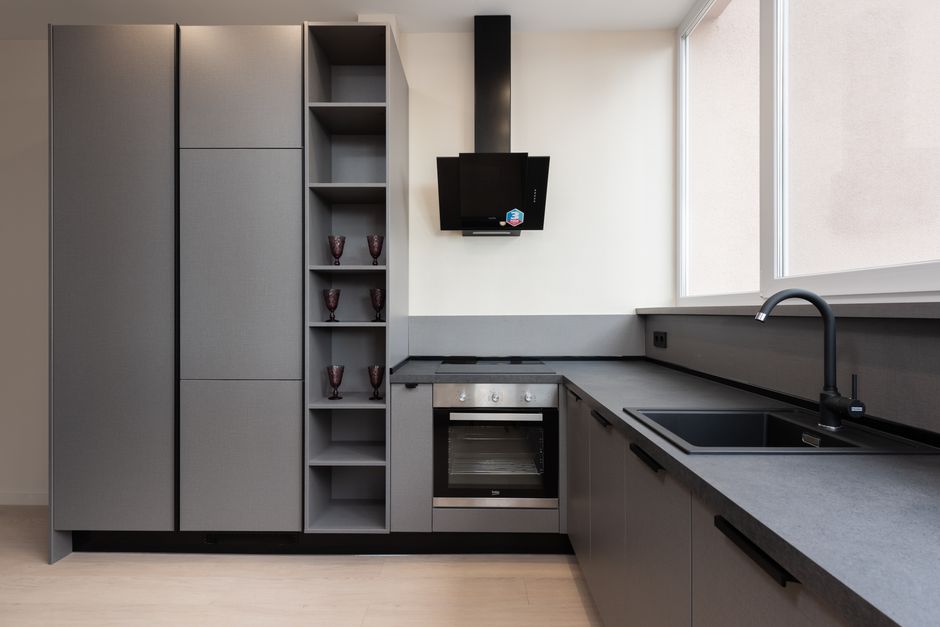
Most kitchen storage lists are useless. They tell you to buy baskets and call it a day. That’s how you end up with a drawer full of mismatched bins you never use and a counter that still looks like a disaster zone.
Here’s what actually works: break your kitchen into 7 functional zones. Each zone has a specific storage problem and a specific solution. No generic advice. No “buy this 50-piece set.” Just a clear list you can execute this weekend.
I tested 12 different storage approaches across three kitchens (a galley, an L-shape, and a tiny apartment kitchen) over the last year. These seven zones survived the cut. Everything else got returned or donated.
Zone 1: The Landing Strip (Counter Near Entry)
This is the spot where keys, mail, phones, sunglasses, and yesterday’s coffee mug pile up. It’s the first thing you see when you walk in. And it’s the hardest zone to keep clean because it has no designated home for anything.
The failure mode: buying a single catch-all tray. One tray becomes a black hole. You toss things in, they disappear, and you lose your keys twice a week.
The fix: Install a wall-mounted magnetic strip for keys and a small document holder with three slots (bills, to-do, school papers). Then add a shallow dish for coins and small items. Three distinct homes, not one pile.
I use the IKEA KNARREBY magnetic strip ($9.99, 50cm) and a simple bamboo tiered tray from Yamazaki ($24, three-tier). The magnetic strip holds up to 8 keysets. The tiered tray keeps mail vertical instead of horizontal.
Verdict: Skip the single tray. Three targeted solutions cost less than $40 and eliminate the pile entirely.
Zone 2: The Drawer of Doom (Utensil Drawer)
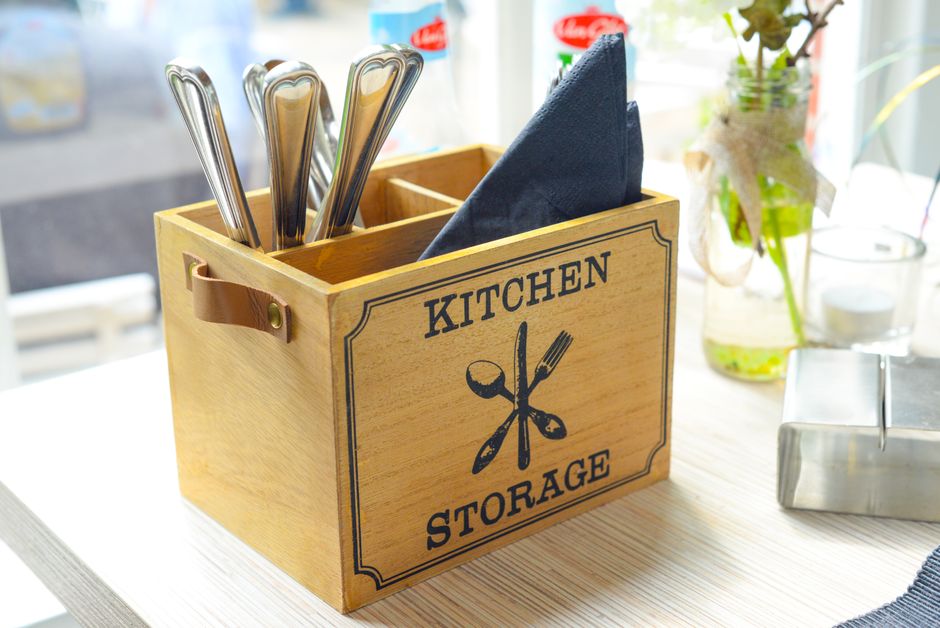
Every kitchen has one. The drawer where spatulas, whisks, measuring spoons, and that garlic press you bought in 2019 live in chaos. Opening it means a 10-second search for the right tool.
Common mistake: buying a single large organizer that doesn’t fit your drawer dimensions. You end up with wasted space on both sides.
What works: Measure your drawer first. Then buy modular dividers that snap together. The Joseph Joseph DrawerStore system ($29.99, 6-piece set) adjusts to fit drawers from 30cm to 60cm wide. Each section is 8cm deep, which fits most utensils without nesting.
I removed everything from my drawer, sorted into four categories (cooking, baking, serving, gadgets), and assigned one section per category. The garlic press went into a small bin in the gadget section. Now I find it in under 3 seconds.
Verdict: Modular dividers beat fixed organizers. Measure twice, buy once.
Zone 3: The Cabinet Shelf Abyss (Deep Upper Cabinets)
Deep upper cabinets are storage killers. You stack plates in front of bowls, and the bowls in back become archaeological artifacts. You forget they exist until you move out.
The solution: Pull-out shelves or tiered risers. A simple metal riser costs $12 and doubles usable shelf space instantly. The Simple Houseware 2-Tier Expandable Shelf Rack ($13.99, adjusts from 17 to 24 inches wide) fits most standard cabinets.
Installation takes 5 minutes. No tools. No drilling. You just set it on the existing shelf.
Failure mode: Buying risers that are too tall. Measure the clearance between your shelf and the cabinet top. Standard cans are 12cm tall. If your riser adds 10cm of height, you can only store flat items underneath.
Verdict: Tiered risers are the single highest-ROI kitchen storage item under $15. Buy two.
Zone 4: The Pantry Black Hole (Deep Lower Cabinets)
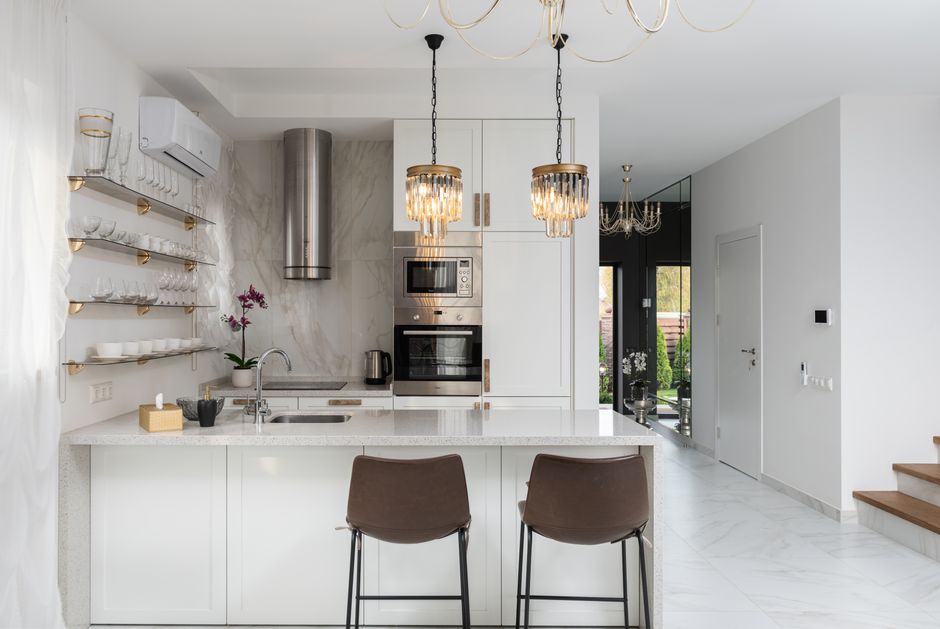
Deep lower cabinets are worse than upper cabinets. You kneel, you reach, you pull out three bags of rice you forgot you had, and you still can’t find the black beans.
Comparison: Pull-out drawers vs. lazy Susans vs. bins
| Solution | Cost | Installation | Best for | Worst for |
|---|---|---|---|---|
| Pull-out wire drawers | $35-$80 each | Screws, 30 min | Canned goods, bottles | Odd-shaped bags |
| Lazy Susan | $15-$40 | No tools, 2 min | Spices, oils, condiments | Heavy items (canned beans) |
| Clear plastic bins | $5-$15 each | None | Dry goods, snacks | Deep cabinets (items get buried) |
My pick: For most kitchens, a 14-inch lazy Susan from YouCopia ($29.99, 360-degree rotation) works best in corner cabinets. For straight deep cabinets, go with pull-out drawers. Bins alone won’t solve the reach problem.
Verdict: Lazy Susans for corners. Pull-out drawers for straight cabinets. Bins are a supplement, not a solution.
Zone 5: The Sink Caddy (Under-Sink Wasteland)
Under the sink is where cleaning supplies, trash bags, and sponges go to die. Pipes take up half the space. Bottles leak. You can’t find the dish soap.
The mistake: Storing bottles directly on the floor. They tip, they leak, and you lose 40% of usable space to the pipe curve.
The fix: A two-tier sliding organizer. The Simplehuman Under-Sink Organizer ($49.99, 2-tier, 50cm wide) wraps around pipes. Top tier holds spray bottles. Bottom tier holds sponges, gloves, and scrub brushes.
I also installed a Command hook on the inside cabinet door for trash bags. Cost: $3. Takes 10 seconds. Never lose a trash bag again.
Verdict: Spend the $50. It eliminates the single most frustrating storage zone in the kitchen.
Zone 6: The Lid Graveyard (Pot and Pan Lids)
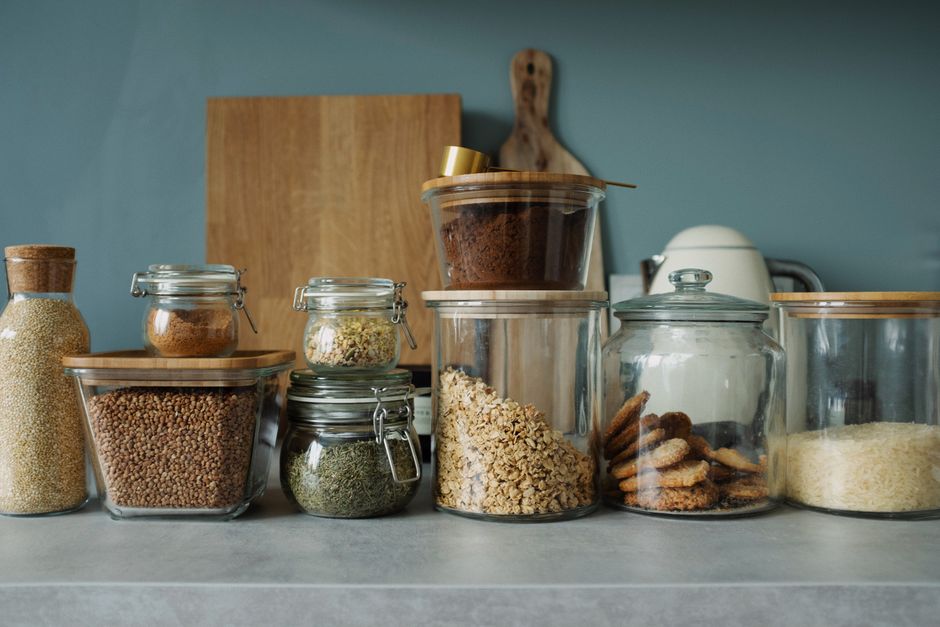
Lids are the unsolved problem of kitchen storage. They slide, they stack unevenly, and they fall out when you open the cabinet door.
Three approaches, one clear winner:
- Vertical lid racks ($12-$25): Mount on cabinet door or wall. Hold 4-6 lids vertically. Works if you have space on the inside of a cabinet door. The YouCopia LidLocker ($19.99) holds up to 8 lids and fits most standard cabinets.
- Drawer dividers ($15-$30): Place lids flat in a deep drawer with adjustable dividers. Requires a dedicated drawer at least 10cm deep.
- Stackable lid organizers ($10-$18): Plastic rings that sit inside your pots. Cheap but annoying. You have to remove the lid to get the pot. Not recommended.
My pick: The vertical rack on the cabinet door. It uses dead space, keeps lids visible, and costs under $20. The drawer approach is better if you have a spare deep drawer, but most kitchens don’t.
Verdict: Vertical door-mount rack. $20. 10-minute install. Done.
Zone 7: The Spice Chaos (Cabinet or Drawer)
Spices are the most common kitchen storage failure. You buy a jar, shove it in a cabinet, and six months later you find three jars of cumin you bought because you couldn’t find the first one.
The two best systems:
Option A: Drawer inserts. The Rev-A-Shelf spice drawer insert ($34.99, fits standard 60cm base cabinets) holds 18 standard spice jars in two rows. Jars lie flat, labels face up. You see everything at once.
Option B: Wall-mounted magnetic racks. If you have magnetic spice tins, a steel strip on the wall or cabinet side works. The IKEA KUNGSFORS magnetic strip ($14.99, 60cm) holds 12 standard tins. Requires magnetic tins (sold separately, about $2 each).
Failure mode: Tiered cabinet shelves for spices. They look good in photos. In real life, the back row is invisible, and you end up pulling out three shelves to find the oregano.
Verdict: Drawer insert if you have the drawer space. Magnetic strip if you have wall space. Skip tiered shelves entirely.
Seven zones. Seven solutions. Total cost for all seven: under $200 if you shop smart. That’s less than one weekend of takeout, and your kitchen will stay organized for years.
Start with Zone 1 (the landing strip). It’s the cheapest and gives you the biggest daily win. Then work through the list. One zone per weekend. By the end of the month, your kitchen will have a home for everything, and the clutter will be gone for good.