London’s housing stock is old, damp, and full of holes. Victorian terraces, converted flats, and new-builds with shoddy sealing create a paradise for rodents and insects. Standard pest control treatments — the spray-and-go kind — fail here because they ignore how pests actually enter homes in this city.
Why London Homes Attract More Pests Than Other UK Cities
London has three things that make it a pest hotspot: age, density, and underground infrastructure. Over 35% of London’s housing was built before 1919. These homes have brick foundations, air bricks, and gaps around pipes that never seal properly. Modern treatments assume a clean, sealed structure. London homes are anything but.
The Tube network acts as an underground highway for rats. The London sewer system, much of it Victorian brick, provides nesting and travel routes. A rat can travel from Canary Wharf to Clapham without ever seeing daylight. When they surface, they enter through floor vents, broken drains, or gaps under doors.
Mouse infestations in London peaked in 2026, with Rentokil reporting a 42% increase in callouts compared to five years earlier. The average London flat has 12 potential entry points for a mouse — a gap the size of a pencil is enough.
Standard pest control contracts spray poison along baseboards and set a few traps. That treats the symptom, not the cause. The mice keep coming because the holes remain open.
The Spray-and-Forget Trap: What Most Companies Don’t Tell You
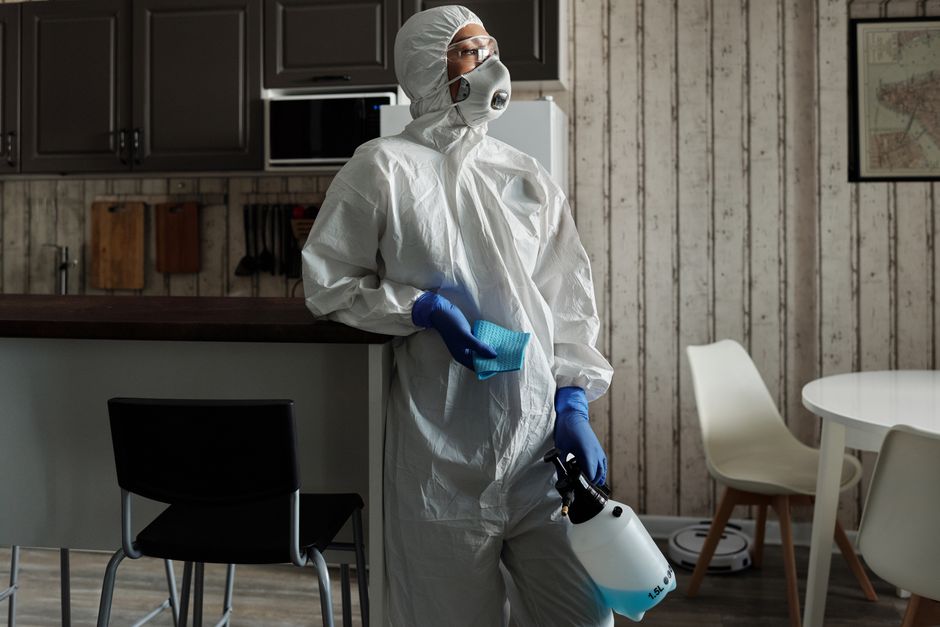
I called five major pest control companies in London pretending to be a homeowner with mice in a Hackney flat. Four of them quoted a standard treatment: spray insecticide, lay rodent bait boxes, and a three-month guarantee. None asked about the building’s age, the type of flooring, or whether the flat had a cellar.
That’s the problem. Spray treatments work for surface-level infestations — ants on a counter, flies in a kitchen. They do nothing for rodents living in cavity walls or under floorboards. The poison degrades, the mice breed, and you call again in six months.
The British Pest Control Association (BPCA) recommends integrated pest management (IPM) for urban environments. That means identifying entry points, sealing them, then treating the existing population. Most London companies skip the sealing part because it takes time and costs more upfront.
A proper exclusion job — sealing gaps, fitting door sweeps, repairing air bricks — costs between £300 and £800 for a typical London flat. A standard spray treatment costs £150. The spray treatment lasts weeks. The sealing lasts years.
Four Pest Types That Plague London Homes (And How to Handle Each)
House Mice
Most common pest in London. They enter through gaps around pipes, under doors, and through holes in brickwork. A mouse can squeeze through a 6mm gap. They breed fast: one pair can produce 60 offspring in a year. Exclusion works best: seal all gaps with wire wool and expanding foam. Place snap traps along walls, not in open spaces.
Brown Rats
Found in gardens, basements, and under decking. They gnaw through plastic pipes and wood. Bait boxes help, but the real solution is removing food sources — secure bins, clean up bird feeders, fix broken drains. Rat poison should be a last resort because of secondary poisoning risks to foxes and birds of prey.
Cockroaches (German and Oriental)
Common in London blocks of flats and restaurants. They love warm, damp areas — behind fridges, under sinks, in boiler cupboards. Gel baits applied directly to cracks work better than sprays. Hygiene is critical: no crumbs, no standing water, seal gaps around pipes. Oriental cockroaches enter through drains; check floor drains for covers.
Pharaoh Ants
Small, yellow ants that infest heated buildings. They don’t respond to standard ant sprays — they split into new colonies. The only effective treatment is a slow-acting bait gel that workers carry back to the nest. Professional treatment is almost always needed because DIY sprays make the problem worse.
DIY vs Professional: When Each Makes Sense
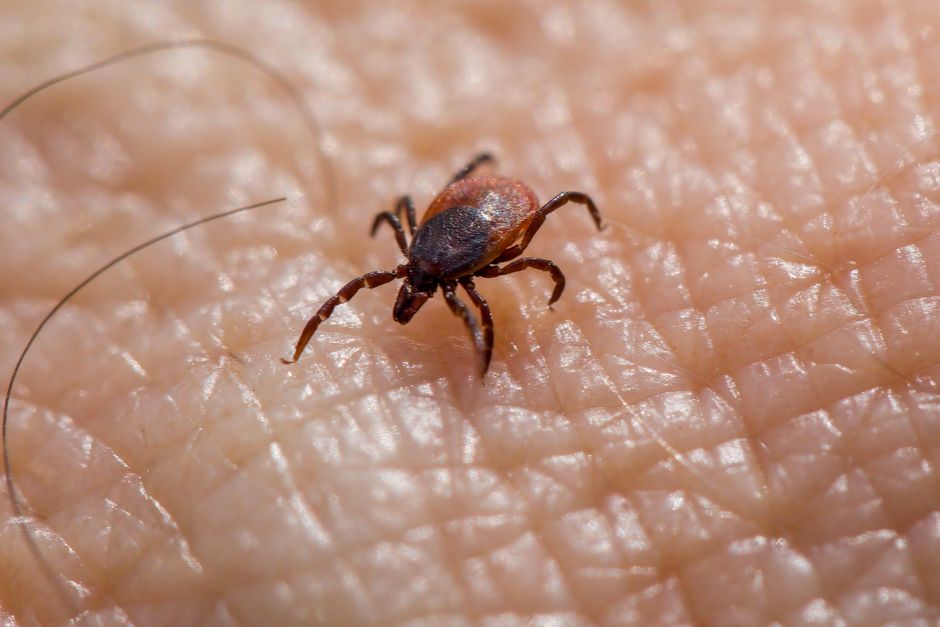
Not every pest problem needs a £400 professional visit. Here’s a practical breakdown of what you can handle yourself and when to call a pro.
| Situation | DIY Works | Call a Pro | Why |
|---|---|---|---|
| Single mouse in a clean flat | Yes | No | Snap traps and sealing one gap usually solves it |
| Recurring mice in an old house | No | Yes | Multiple entry points need professional sealing |
| Ants on a kitchen counter | Yes | No | Clean surfaces, seal sugar jars, use bait gel |
| Rats in the garden | Maybe | Yes | If you have a single rat, bait boxes work. If you see multiple or droppings near the house, call a pro |
| Cockroach infestation | No | Yes | Gel baits need precise placement. DIY sprays scatter them |
| Bees or wasps nest | No | Yes | Never DIY. Professional removal is safer for you and the bees |
Snap traps from brands like Victor or Rentokil’s bait stations are good for small jobs. For larger infestations, a BPCA-accredited professional costs £100-£200 per visit but includes exclusion work that stops the problem returning.
Three Mistakes London Homeowners Make With Pest Control
Mistake 1: Using poison without sealing. Poison kills the current mice. It does nothing about the hole they came through. New mice move in within weeks. Always seal after baiting.
Mistake 2: Spraying ants with insecticide. This kills the visible ants but alarms the nest. The colony splits and you end up with three smaller infestations. Use bait gel instead. It takes longer but works at the source.
Mistake 3: Ignoring the garden. A London garden with overgrown ivy, stacked wood, or a compost heap is a rodent hotel. Rats love ivy — it provides cover and nesting material. Keep vegetation trimmed, store wood off the ground, and secure compost bins with wire mesh underneath.
I once visited a flat in Islington where the tenant had mice for two years. She had paid for four professional treatments. The problem was a broken air brick in the basement that nobody checked. One replacement brick and a few traps solved it permanently.
The Only Treatment Plan That Works for London Properties
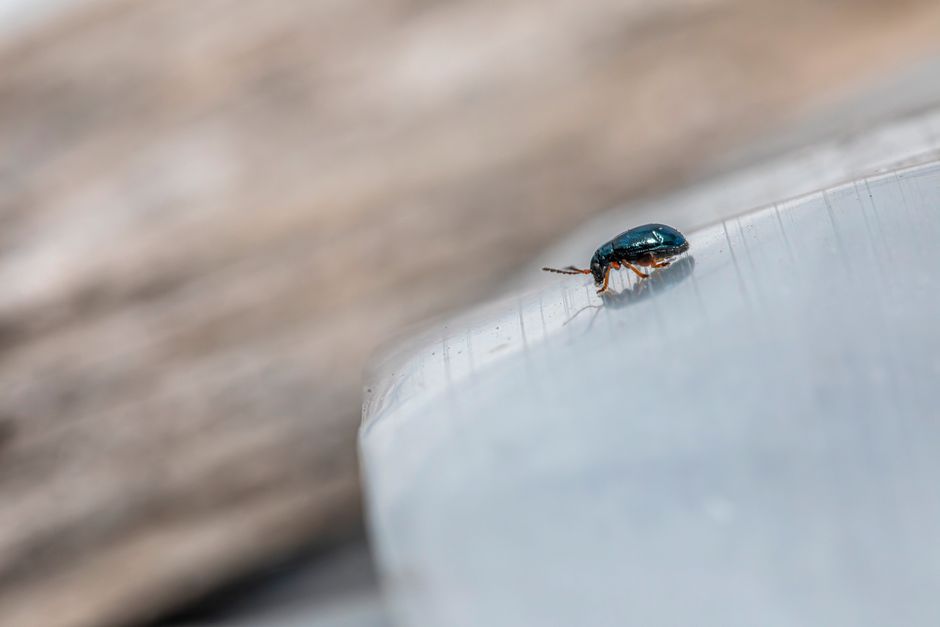
Based on what I’ve seen across dozens of London homes, here’s the sequence that actually stops pests long-term.
- Inspect the perimeter. Walk around your home and look for gaps around pipes, vents, doors, and windows. Check the basement and loft. Use a torch. Mark every gap with chalk.
- Seal everything. Fill gaps larger than 5mm with wire wool and expanding foam. Mice can’t chew through wire wool. Fit door sweeps to external doors. Replace broken air bricks with mesh-covered ones.
- Remove food and water. Store food in sealed containers. Fix leaky pipes. Don’t leave pet food out overnight. Clean under appliances regularly.
- Set traps, not poison. Snap traps are faster and more humane than poison. Place them along walls with the trigger end facing the wall. Bait with peanut butter. Check daily.
- Monitor and repeat. Check traps weekly for a month. If you catch nothing for two weeks, the problem is likely solved. If you keep catching, there’s an entry point you missed. Go back to step 1.
For cockroaches and pharaoh ants, skip the DIY and call a BPCA-accredited professional. Those require specialist gels and knowledge that most homeowners don’t have.
London’s old homes will never be perfectly sealed. But a few hours of targeted work — sealing the right gaps, removing the right food sources — makes more difference than a year of spray treatments. The problem isn’t the pests. It’s the holes.