Roughly 80% of American homeowners attempt at least one DIY home project per year. About half of them end up calling a professional to fix what they started. That gap isn’t a talent problem — it’s a definition problem.
Most people start a project without knowing which tier of complexity they’re signing up for. This guide breaks down what DIY home projects actually mean, what they realistically cost compared to hiring out, and which specific tools are worth buying before you begin.
What DIY Home Projects Actually Mean
DIY stands for Do-It-Yourself. Simple enough. But that label gets applied to everything from painting a wall to rewiring a circuit panel — two tasks separated by years of training and real legal requirements.
A DIY home project is any repair, improvement, or modification to your home that you complete without a licensed contractor. The key variable isn’t difficulty — it’s permit requirements and liability exposure. Projects that require permits cannot legally be self-completed without following inspection processes, regardless of your skill level.
Beyond permits, projects break into three practical tiers:
Tier 1: Cosmetic and No-Skill Work
Painting, hardware swaps, peel-and-stick flooring, caulking with DAP Alex Plus ($5/tube), assembling flat-pack furniture like the IKEA KALLAX shelving unit ($79). These require basic tools, no permits, and have low consequence for minor mistakes. Anyone can start here this weekend.
Tier 2: Skill-Required Projects
Tile installation, cabinet painting with Rust-Oleum Chalked Ultra Matte Paint ($15/quart), floating shelf builds, toilet replacement, backsplash work. These demand a few weekends of focused learning. Mistakes are fixable but add cost and time. Start here after completing five or six Tier 1 projects successfully.
Tier 3: Licensed and Permitted Work
Electrical panel upgrades, load-bearing wall removal, gas appliance connections. These legally require licensed contractors in most U.S. states. Attempting them without permits isn’t savings — it’s risk. An unpermitted structural change discovered during a home sale inspection can reduce your offer by more than you ever saved doing it yourself. Several mortgage lenders also require unpermitted work to be disclosed or remediated before approving financing on the property.
The confusion between tiers is the number-one source of DIY disasters. Someone who successfully assembled IKEA furniture and painted a bedroom now believes they can retile a shower floor. That jump requires real skill development, not just confidence.
Real Cost Comparison: DIY vs. Hiring a Professional
The “save money with DIY” argument is often true — but the numbers only work on specific project types. Here’s an honest breakdown:
| Project | Professional Cost | DIY Materials | Tool Cost | Time (DIY) | Real Savings |
|---|---|---|---|---|---|
| Interior room repaint | $700–$1,200 | $120–$200 | ~$30 | 8–12 hrs | $500+ |
| Tile backsplash (30 sq ft) | $600–$1,000 | $150–$300 | $80 (wet saw rental) | 12–18 hrs | $300–$400 |
| Replace bathroom faucet | $200–$350 | $80–$180 | $25 (basin wrench) | 1–2 hrs | $100–$150 |
| Hardwood floor refinish | $1,500–$3,000 | $200–$400 | $200–$400 (drum sander rental) | 16–24 hrs | $800–$1,500 |
| Install ceiling fan | $150–$300 | $60–$180 (fan) | $0 (basic tools) | 1–3 hrs | $80–$120 |
Bottom line: DIY delivers the clearest savings on labor-intensive, low-complexity work — especially painting and basic plumbing fixture swaps. On specialty work like floor refinishing, savings are real but require renting equipment and investing significant time. If your hourly earning rate is $60 and a plumber charges $150 for a 90-minute job, the math of “saving money” doesn’t always hold.
Projects You Should Never Do Yourself
Electrical panel replacement. Gas line installation or relocation. Any structural work — removing walls, adding beams — without an engineer’s sign-off and a permit. These are not challenges to overcome with enough YouTube videos. Unpermitted electrical or structural work is a documented deal-killer during home inspections, and in fire or structural failure situations, insurance companies pull permit history before paying claims.
Five Project Categories That Define DIY Home Improvement
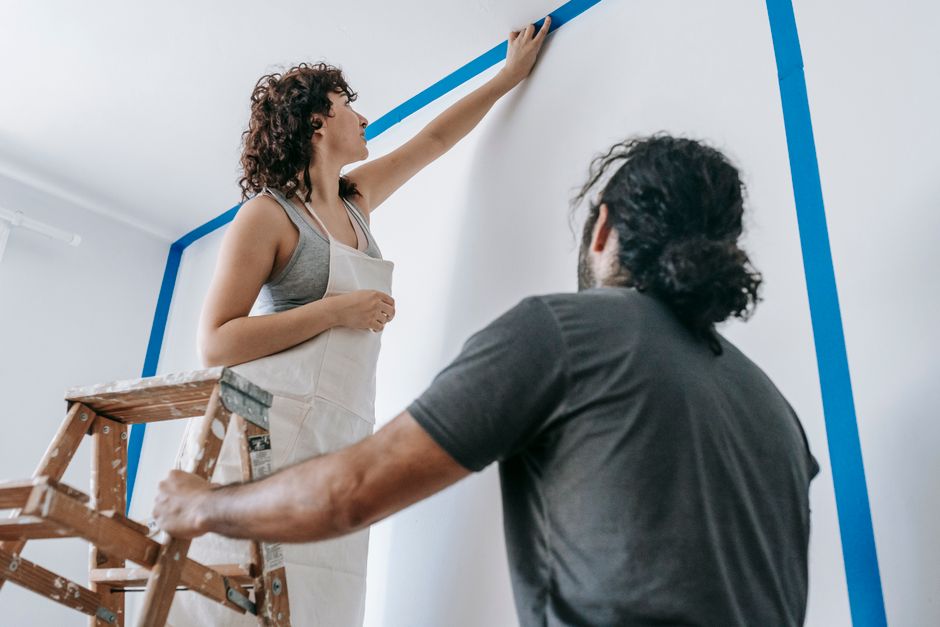
Understanding the category tells you the actual commitment before you buy a single piece of material.
- Cosmetic upgrades: Paint, wallpaper, hardware swaps, decorative molding. Highest reward-to-skill ratio in home improvement. A $20 can of chalk paint and a free weekend can turn a $30 thrift store dresser into something that looks like a $300 purchase.
- Repair and maintenance: Caulking, drywall patching, re-grouting tile, fixing squeaky floors. These are baseline homeowner competencies. A $5 caulking job neglected for two years can become a $400 water damage repair. Small maintenance tasks compound in both directions.
- Installation projects: Shelving, faucets, light fixtures, ceiling fans. Generally beginner-accessible with proper video prep. The Ryobi ONE+ 18V 2-Tool Combo Kit (~$99 at Home Depot) covers 90% of the drilling and driving you’ll need across these jobs.
- Structural and framing: Non-load-bearing partition walls, basement finishing, deck construction. These require permits, basic carpentry skills, and careful planning. Not a first-year DIY territory.
- Systems work: HVAC filter replacement and dryer vent cleaning are fine for DIY. Anything touching the electrical panel, gas lines, or main plumbing stack — hire a licensed contractor every time, no exceptions.
The Tools Question: What You Actually Need Before You Start
Should your first purchase be a cordless drill?
Yes, without question. The DeWalt DCD771C2 20V Max Drill/Driver Kit ($89) is the reliable entry point — two batteries included, a charger, and adequate torque for 95% of beginner projects. Avoid no-name drills under $40. They strip screws and fail mid-project, turning a two-hour job into a frustrating half-day.
Do you need a circular saw before your first project?
Rent before you buy. A quality saw like the Milwaukee M18 Fuel Circular Saw ($199+) is worth owning once you’re running regular projects, but Home Depot and Lowe’s both rent tools for $25–$35 per day. After your third rental on the same tool, the math flips toward buying.
Does painter’s tape brand actually matter?
3M ScotchBlue 2090 Painter’s Tape ($8 for a two-pack) seals cleanly and removes without pulling wall texture or existing paint. Generic tape bleeds at the edges and frequently damages the surface when removed. That’s a $4 savings that creates a $40 repaint problem. The economics do not hold.
When DIY Makes Sense vs. When It Costs More Than Hiring Out
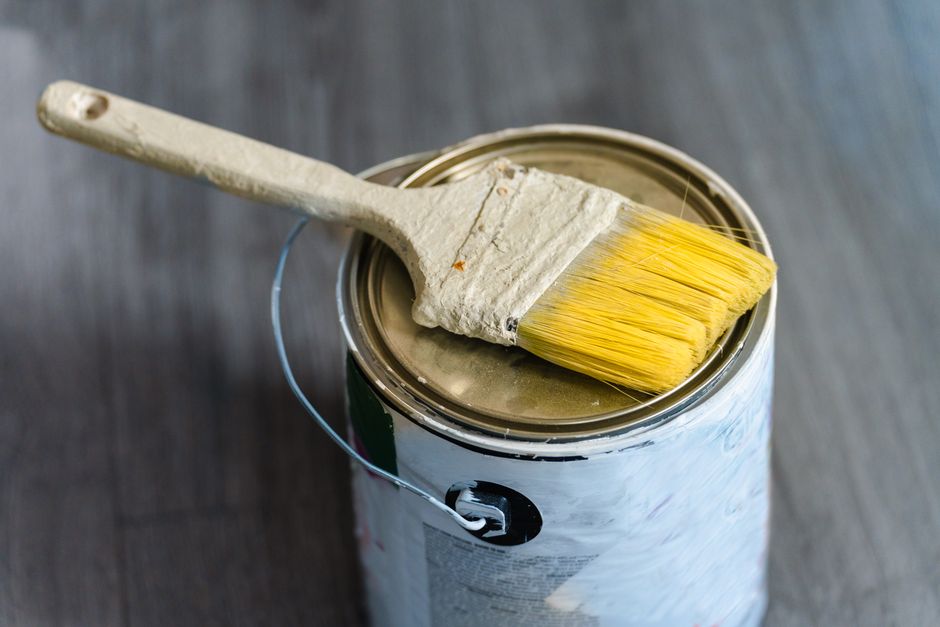
DIY adds genuine value in two situations: when the labor savings clearly exceed your time cost, and when you’ll live with the result long enough to justify learning the skill properly. Painting your own bedroom before a sale? Clear DIY win. Installing a tile shower you’ll use daily for 15 years? Only DIY if you’re committed to doing it correctly — which means 8–10 hours of instruction before you set a single tile.
DIY also builds skills that compound. A homeowner who learns to hang drywall correctly doesn’t just complete one project — they handle every future patching job, wall repair, and finishing task themselves for the lifetime of the home. That accumulated competence has real dollar value over a 20-year ownership horizon.
The honest case against DIY: time has value. If you earn $75 per hour professionally and a licensed plumber quotes $200 for a two-hour job, spending your Saturday on tutorials and attempting the repair doesn’t save $200. It costs six hours of your time worth $450, plus materials. Know your own math before deciding.
| Situation | DIY or Hire? | Why |
|---|---|---|
| Painting a room before selling | DIY | High labor cost, low skill ceiling, strong ROI |
| Replacing a toilet | DIY | Beginner-accessible, $150–$200 in labor savings |
| Installing backsplash tile | DIY — with practice first | Visible mistakes last decades; prep matters |
| Electrical panel upgrade | Hire — no exceptions | Permit required, liability risk, safety issue |
| Hardwood floor refinish | DIY with rental equipment | $800–$1,500 savings, learnable over one project |
This article does not constitute professional contractor or financial advice. Permit requirements and contractor licensing laws vary by state and municipality. Always verify local building codes before starting structural or systems work.