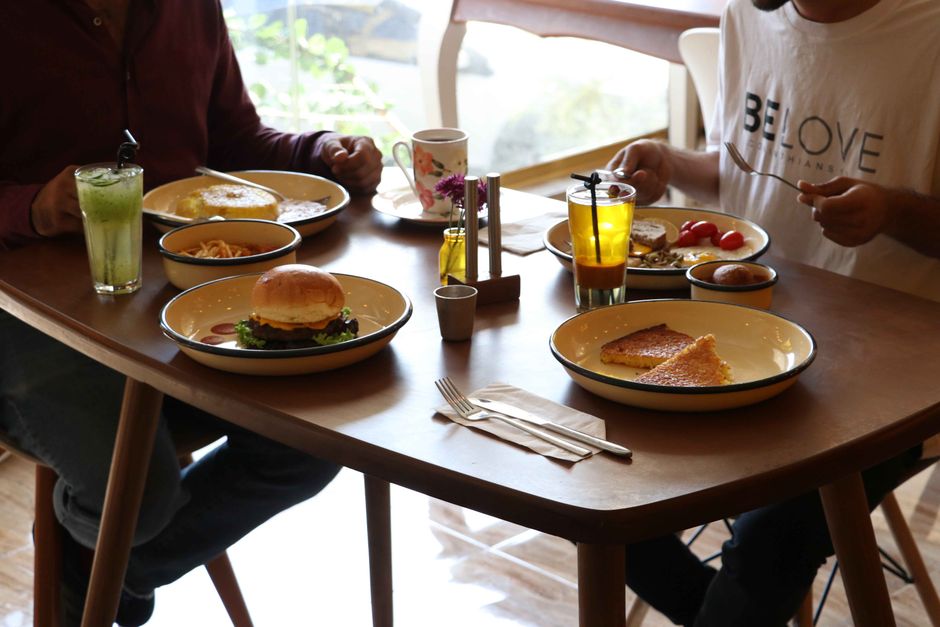
The dining table is the hardest-working surface in most homes. It’s where you eat, work, argue about homework, and host Thanksgiving. If you’re going to spend real money on one piece of furniture, this is it. But the “sustainable wood” label has become a dumping ground for vague marketing claims that mean nothing. You can walk into a West Elm, a Crate & Barrel, or scroll Wayfair and find a $2,500 table labeled “sustainably sourced” right next to a $400 one with the exact same claim. They are not the same thing.
This article covers what actually matters when buying a wood dining set that won’t end up in a landfill in five years. No lectures. Just the specs, certifications, wood types, and construction methods that separate furniture worth keeping from furniture designed to fail.
Certifications That Actually Mean Something
A lot of furniture brands slap a leaf icon on their product page and call it a day. That’s greenwashing. Here are the three certifications that require actual third-party auditing.
FSC (Forest Stewardship Council)
FSC certification is the baseline. It means the wood came from a forest managed for biodiversity, worker rights, and long-term health. There are three labels you’ll see: FSC 100% (all wood from certified forests), FSC Mix (blend of certified and recycled), and FSC Recycled. For dining furniture, look for FSC 100% or FSC Mix with at least 70% certified content. Brands like Article and Medley carry FSC-certified walnut and oak dining tables. IKEA surprisingly uses FSC-certified wood across most of its solid wood pieces, including the IKEA SKOGSTA dining table ($399, solid acacia).
The catch: FSC certification adds cost. A small workshop making beautiful furniture might source responsibly but skip the certification because the audit process runs $2,000-$5,000 annually. Ask them directly where the wood comes from. If they can name the region and the mill, that’s better than a vague “European oak” description.
GREENGUARD Gold
This one’s about indoor air quality, not forestry. GREENGUARD Gold certifies that the finished product emits low levels of VOCs (volatile organic compounds). Formaldehyde in adhesives and finishes is the main offender. If you’re putting a dining table in a room where kids do homework and eat dinner every night, VOC emissions matter. Pottery Barn and Room & Board both carry GREENGUARD Gold certified dining furniture. The Room & Board Parsons dining table ($1,499-$2,999 depending on size and wood) carries both FSC and GREENGUARD Gold certifications.
BIFMA Level
BIFMA Level certification covers the entire product lifecycle: materials, energy use, emissions, and social responsibility. It’s rare in residential dining furniture because it’s designed for commercial contract furniture. But if you see it on a residential piece, the manufacturer is serious about sustainability. Steelcase and Haworth dining-adjacent pieces sometimes carry this, though they’re more common in home office furniture.
| Certification | What It Actually Verifies | Audited by Third Party? | Look For |
|---|---|---|---|
| FSC | Forest management, chain of custody | Yes | FSC 100% or FSC Mix label |
| GREENGUARD Gold | Low VOC emissions from finished product | Yes | Certificate number on product page |
| BIFMA Level | Full lifecycle sustainability | Yes | Level 1, 2, or 3 rating |
| “Eco-friendly” | Nothing | No | Ignore entirely |
If a brand uses the phrase “eco-friendly” without linking to a specific certification page with a certificate number, treat it as meaningless. The Federal Trade Commission has Green Guides that technically prohibit vague environmental claims, but enforcement is spotty at best in furniture marketing.
The Wood Types That Last 20+ Years
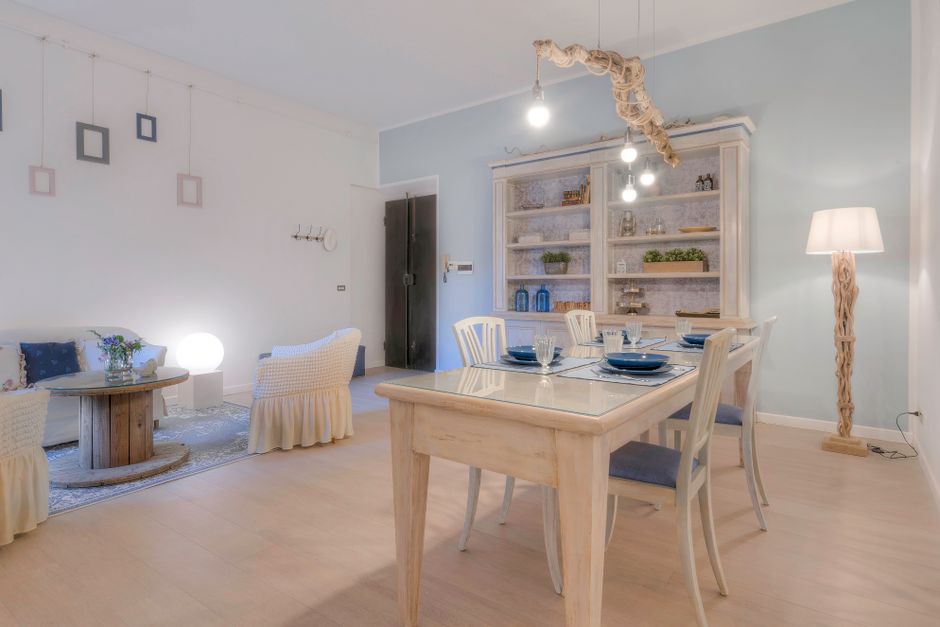
Sustainability isn’t just about where the tree grew. It’s about whether the furniture survives long enough to stay out of a landfill. A table that warps in three years isn’t sustainable no matter what certification it carries.
White Oak
White oak is the gold standard for dining tables. Janka hardness rating of 1,360. Closed grain structure means it resists water penetration better than red oak. Quarter-sawn white oak is even more stable and shows beautiful ray fleck patterns. Room & Board uses it extensively. A solid white oak dining table from a reputable maker should last 30-50 years with basic care. Price range for a 72-inch solid white oak table: $1,800-$4,000.
Walnut
American black walnut has a Janka rating around 1,010 — softer than oak but still plenty hard for dining use. The appeal is the color. Walnut’s rich brown tones don’t need stain. It darkens slightly with age rather than yellowing. Floyd makes a solid walnut dining table ($1,195-$1,495) with a simple, repairable design. Walnut costs more than oak. A 72-inch solid walnut table typically runs $2,200-$5,000.
Rubberwood
Rubberwood is the sustainability story nobody talks about. It comes from rubber trees that have stopped producing latex — trees that would otherwise be burned. The wood is moderately hard (Janka 980) and takes stain well. It’s the primary wood in most IKEA solid wood furniture and many Target and Amazon dining sets in the $200-$600 range. The downside: rubberwood is prone to fungal staining if not properly kiln-dried. Cheap rubberwood furniture sometimes arrives with blue-gray discoloration. Stick with brands that have decent quality control. IKEA’s rubberwood pieces are generally well-dried.
Mango Wood
Mango wood comes from trees retired from fruit production. It’s hard (Janka 1,070) with a distinctive grain pattern that can include spalting and color variation. World Market and Crate & Barrel use it heavily for dining tables in the $500-$1,200 range. Mango wood is genuinely sustainable as a byproduct of agriculture. The tradeoff: it moves more than oak with humidity changes. In a dining room with stable climate control, it’s fine. In a house with big seasonal humidity swings, expect some movement.
The mistake to avoid: Buying a table made of “mixed hardwoods” or “select hardwoods” without species identification. That language means whatever was cheapest at the lumber yard that week. You can’t assess durability or sustainability if you don’t know the species.
Solid Wood vs. Veneer: The Honest Tradeoffs
Solid wood has a reputation as the only “real” choice. Veneer gets dismissed as cheap. That’s wrong.
Veneer is a thin layer of real wood — often 0.5mm to 3mm thick — bonded to a substrate like plywood or MDF. High-quality veneer uses an MDF core with low formaldehyde emissions and a thick face veneer that can be sanded and refinished once, maybe twice. Cheap veneer uses a paper-thin wood layer on particleboard with high-formaldehyde binders. That’s the stuff that delaminates and can’t be repaired.
The advantage of veneer is stability. Solid wood expands and contracts across the grain with humidity changes. A solid wood tabletop 40 inches wide can move a quarter inch between summer and winter. That’s why solid tables use breadboard ends, z-clips, or elongated screw holes to allow movement. Veneer on a stable plywood core doesn’t move. For a dining table with a complex parquet or radial pattern, veneer is actually the better engineering choice.
Room & Board’s veneer tables use an MDF core that meets CARB Phase 2 formaldehyde standards. Design Within Reach uses veneer extensively on tables like the Nelson Platform Bench. These are $1,500+ pieces. Veneer isn’t the budget option — it’s a design choice.
When to buy solid: You want to refinish the table in 15 years. You have kids who will absolutely destroy the surface and you plan to sand it down someday. You like the idea of a table that outlives you.
When to buy veneer: You want a complex wood pattern that solid construction can’t achieve. Your dining room has stable humidity year-round. You’re spending $1,000+ on a quality piece, not $300 on a flat-pack table with a wood-print plastic layer.
Five Questions to Ask Before You Buy
- “What species of wood is this?” If the answer is “hardwood” or “mixed wood,” walk away. You need a specific species name. “Rubberwood,” “white oak,” “American walnut” — these are answers. “Sustainable hardwood” is not.
- “Where was the wood milled and where was the furniture assembled?” A table made from FSC-certified Romanian oak that’s shipped to Vietnam for assembly and then to a US warehouse has a massive carbon footprint. Local or regional production chains matter. Vermont Woods Studios and Copeland Furniture both mill and build in the US Northeast using regional hardwoods.
- “What finish is on this table, and what does it contain?” Conversion varnish, catalyzed lacquer, polyurethane, hardwax oil — each has different durability and VOC profiles. Hardwax oils like Rubio Monocoat or Osmo Polyx are low-VOC and repairable. You can spot-fix a scratch without stripping the whole table. Catalyzed lacquer is tougher but harder to repair. Ask if the finish is GREENGUARD certified or at least low-VOC.
- “How is the tabletop attached to the base?” This is the question that separates furniture that lasts from furniture that cracks. Solid wood tops must be attached with hardware that allows movement: figure-8 connectors, z-clips, or elongated slots with screws. If the top is screwed down tight with no allowance for movement, it will crack within a few seasonal cycles. This is the most common failure mode on $800-$1,500 solid wood tables from direct-to-consumer brands that cut corners on hardware.
- “What’s the warranty, and what does it actually cover?” A “lifetime warranty” that only covers manufacturing defects and not normal wood movement or finish wear is nearly worthless. Read the warranty page before you buy. Floyd offers a 10-year warranty that specifically covers structural integrity. Article offers a 30-day return window and a 1-year warranty, which is short for furniture in this price range.
Reclaimed Wood: The Good, The Bad, The Misleading
Reclaimed wood furniture carries a premium price and a sustainability halo. Sometimes it deserves it. Sometimes it’s a markup on junk wood with a story attached.
Legitimate reclaimed wood comes from old buildings, barns, factories, or sunken logs recovered from rivers. It’s denser than new-growth wood because old-growth trees grew slower. A reclaimed white oak floor joist from a 1920s factory has tighter growth rings and higher density than a modern farmed white oak board. Restoration Hardware built its entire brand on this aesthetic, though their prices ($3,000-$8,000 for a dining table) reflect marketing as much as materials.
The problem: some manufacturers take new wood, distress it with chains and hammers, and call it “reclaimed look.” That’s not reclaimed — it’s artificially aged. It’s fine if you like the look, but don’t pay a sustainability premium for it. Other manufacturers mix reclaimed and new wood without disclosure. If a table is labeled “reclaimed wood” but costs $600, the reclaimed content is probably minimal or the wood quality is poor.
What to look for: Ask what structure the wood came from, what species it is, and what percentage of the piece is reclaimed. A legitimate reclaimed furniture maker can answer all three questions. Urban Wood Goods and Etsy sellers specializing in reclaimed furniture typically provide this information upfront. Expect to pay $1,500-$3,000 for a genuinely reclaimed solid wood dining table from a reputable maker.
One more thing: reclaimed wood often has nail holes, checking, and color variation. That’s the point. If you want a flawless, uniform surface, reclaimed is the wrong choice. Buy new FSC-certified solid wood instead.