You want the soft, lived-in warmth of a countryside cottage. But your bedroom is roughly the size of a walk-in closet. The worry is that adding floral prints, heavy quilts, and vintage furniture will make the room feel like a storage unit, not a sanctuary. That is a valid concern. In most small-space design disputes, the primary culprit is not square footage. It is visual weight. You can absolutely layer the cottagecore aesthetic into a compact room if you understand how to manipulate light, scale, and multi-functional pieces. Here are seven specific ways to do it.
1. The Bed Is Your Foundation—Go Low and Neutral
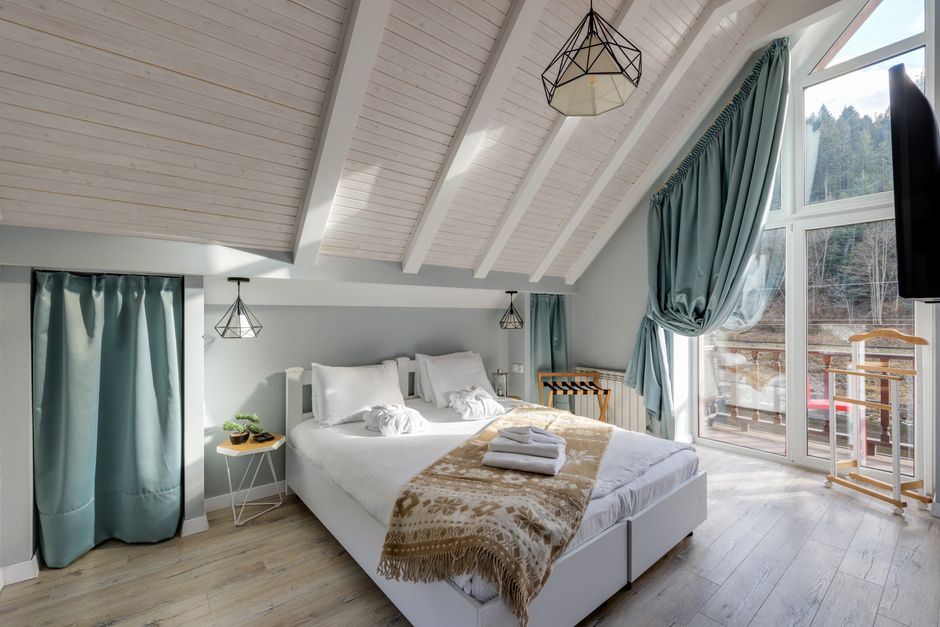
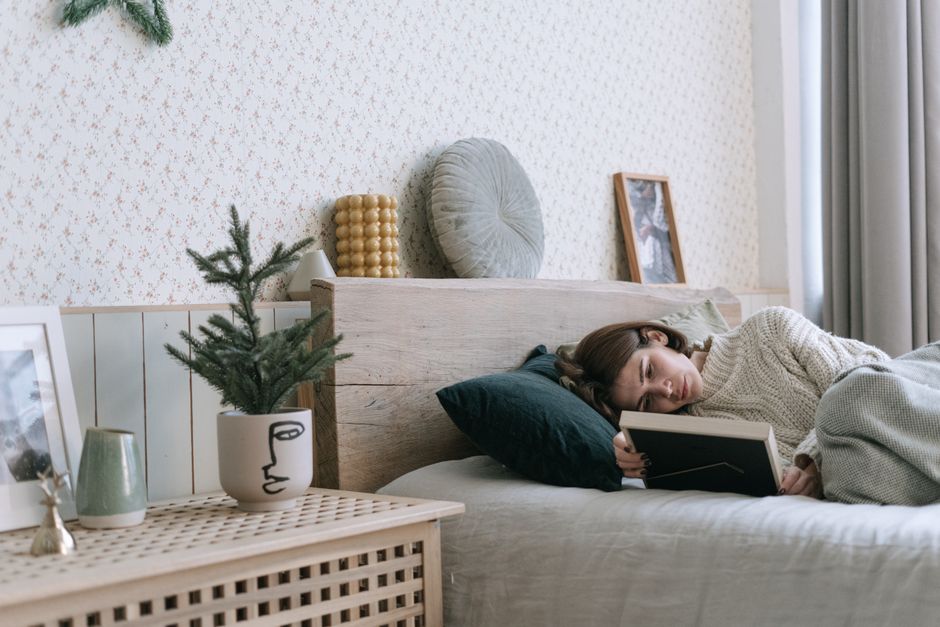
The bed is the largest single object in the room. If you get this wrong, nothing else will look right. A heavy, dark wood sleigh bed or a bulky upholstered frame with a tall headboard will immediately consume the floor plan. Instead, look for a low-profile platform bed. A frame that sits close to the ground naturally draws the eye upward, making the ceiling feel higher.
For a true cottage feel, the IKEA TARVA bed frame ($249, Queen) is a strong starting point. It is solid pine, unfinished. You can stain it a light honey tone or paint it a muted sage green. That raw wood texture is critical for the aesthetic. Avoid glossy black or pure white lacquer. You want a matte, porous surface that looks like it has been there for decades.
Pair this with a neutral linen headboard if you need back support for reading. A simple, wall-mounted panel covered in undyed Belgian linen works better than a tufted velvet monster. The goal is to make the bed recede visually, not dominate. This creates negative space that tricks the eye into perceiving more square footage.
2. Vertical Storage That Mimics Architectural Detail
Small rooms force a choice. You can either clutter the floor with storage bins or use the walls. Cottagecore thrives on the illusion of architectural quirks. A single wall of floor-to-ceiling open shelving, styled correctly, looks like a built-in discovered during a renovation.
Do not use wire racks. They scream temporary rental. Use solid wood or thick MDF brackets with a wood veneer. The IKEA IVAR system ($180 for a full bay) remains the most flexible option because you can paint it the same color as your wall. When the shelving blends into the wall, the objects on it—ceramic pitchers, folded quilts, a stack of vintage books—appear to float.
This is a failure point for many people. They install shelving and then place small, scattered items on it. That creates visual noise. On a 36-inch shelf, place three large objects: a basket, a stack of two books with a small vase on top, and a framed print leaning against the back. Limit the color palette on the shelf to three tones that match the room. This keeps the storage functional while maintaining the calm, collected-over-time look.
3. The Single Best Trick Most People Skip
Paint the ceiling, the walls, and the trim in the same exact color and sheen. Flat finish. No exceptions.
When you paint trim white against a colored wall, you draw a harsh boundary line around the room. In a small space, that line acts like a fence, making the room feel boxed in. Drenching the room in a single warm tone—something like Farrow & Ball’s ‘Joa’s White’ or a similar warm cream from Sherwin-Williams (‘Natural Linen’)—dissolves the corners. The room feels larger because the eye doesn’t stop at the edges.
This is a controversial opinion among traditional decorators who value crisp white trim. But in a room under 120 square feet, the rules change. You are not trying to showcase architectural detail. You are trying to create a seamless, cocoon-like shell. This is the cheapest way to gain visual square footage, costing only the price of a gallon of paint.
4. Textile Layering Without the Weight
| Textile Element | Heavy Option (Avoid) | Lightweight Option (Use) | Why It Works |
|---|---|---|---|
| Curtains | Velvet blackout panels | Gauzy cotton voile | Filters light, adds softness without bulk |
| Bedding | Thick down duvet | Cotton quilt + wool blanket | Layers trap heat; quilt lies flat, saving visual space |
| Rug | High-pile shag | Flat-woven cotton or wool kilim | Defines the zone without adding height |
| Throw Pillows | Oversized 24″ square | Lumbar pillows (16″x24″) | Adds texture across the bed, not depth |
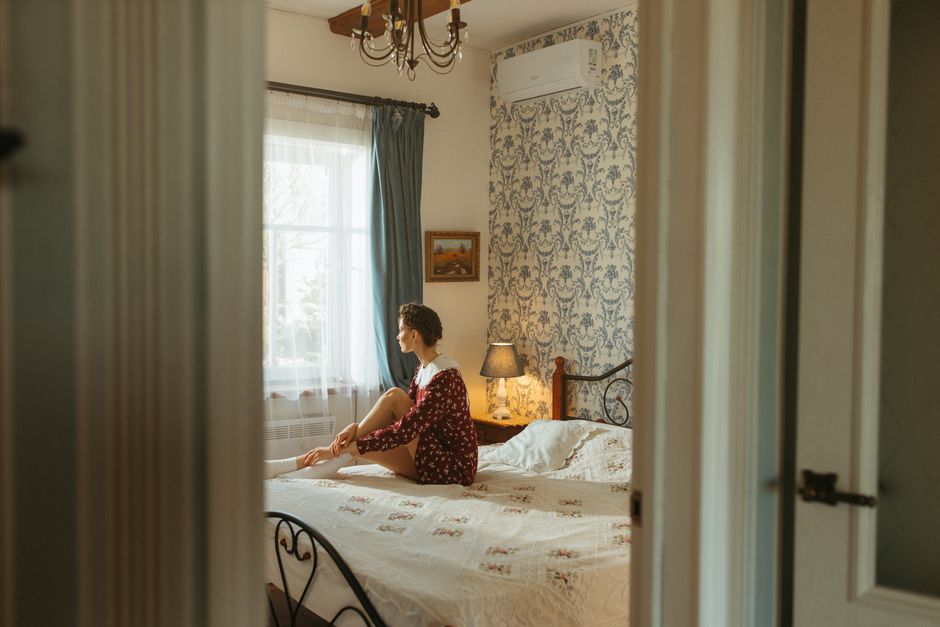
The cottagecore look relies on abundance. In a small room, you have to fake abundance through texture, not thickness. A quilt from Boll & Branch or a vintage hand-stitched find on Etsy provides the patchwork look without the puffiness of a duvet. Hang curtains from a rod mounted as close to the ceiling as possible. Even if your window is small, extending the rod 6 inches beyond the frame on each side makes the window feel wider. The curtain panels should just kiss the floor. Puddling fabric on the ground in a small room reads as mess, not luxury.
5. Lighting That Sits Still
Cottage rooms feel safe because the light is stationary and warm. Overhead lighting is the enemy. It flattens the room and creates harsh shadows. You need three points of light at different heights, all at 2700 Kelvin.
A plug-in wall sconce on a dimmer eliminates the need for a nightstand lamp, freeing up surface area. The Cedar & Moss Tilt Sconce ($189) is a good example of a fixture that looks like an antique find but uses modern wiring. Mount one on each side of the bed. If you have no space for nightstands at all, mount a small floating shelf just large enough for a book and a cup of tea.
The second light source should be low. A tiny table lamp on a dresser. The third should be a candle. A real flame, contained in a heavy stoneware holder, provides the flicker that makes the room feel alive. This layered, low-level lighting is what separates a room that looks decorated from one that feels inhabited.
6. The One Piece of Furniture You Should Actually Spend On
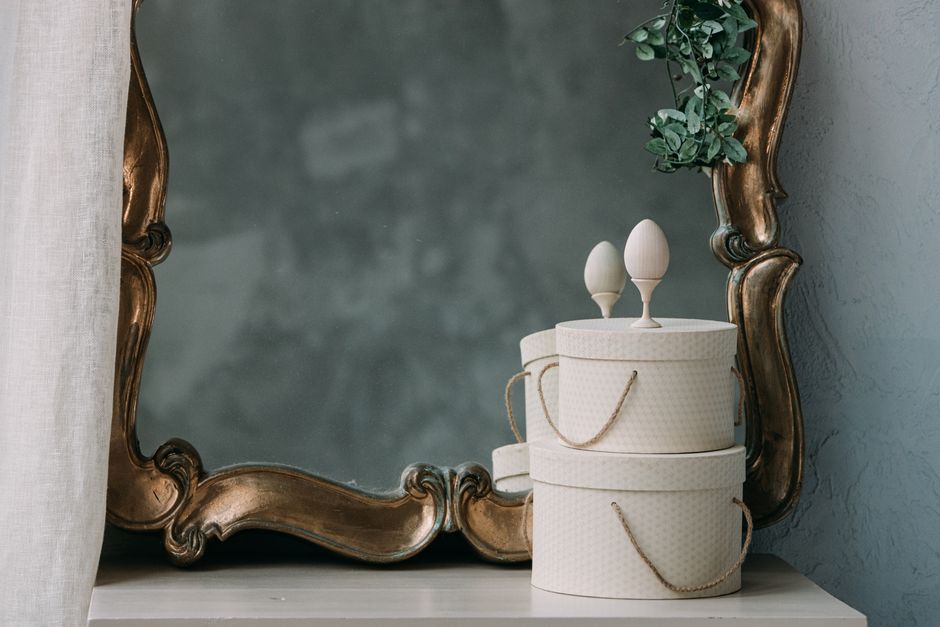
If you have room for only one piece beyond the bed, make it a small, solid wood dresser with deep drawers. Not a tall chest. A long, low dresser. Something around 30 inches high and 40 inches wide. This serves as a clothing store, a display surface for a mirror and a vase, and a visual anchor.
Do not buy a flat-pack dresser with thin drawer bottoms. In a cottagecore room, the furniture needs to feel like it has weight and history. Look for a second-hand piece at an estate sale. A vintage Bassett or Drexel dresser from the 1960s, in a warm walnut or oak, will cost between $150 and $400 depending on your market. This is less than a new mid-range dresser and the wood quality is significantly better.
Test the drawers. They should open and close smoothly on wood slides. If they stick, that is fixable with wax. If the carcass is wobbly or the veneer is peeling in large sheets, walk away. A stable dresser with cosmetic wear is a good find. You are looking for structural integrity, not perfection.
The mistake people make is buying a narrow, tall chest that towers over them while they sleep. That vertical mass creates a feeling of instability. A low dresser grounds the room.
7. What to Do When You Have No Closet
Many old cottages—and many modern apartments—lack a proper closet. A freestanding wardrobe in a small room is a challenge. It is a big, dark box. To make it work, you must treat it as an architectural feature, not a storage necessity.
Find a vintage armoire with glass-panel doors. Or, buy a basic pine wardrobe and replace the solid wood door panels with chicken wire or reed glass. This is a weekend project. You cut out the center panel with a jigsaw, staple wire mesh to the inside, and now the wardrobe breathes. You can see the clothes inside, which forces you to keep them tidy and color-coordinated. A messy, overstuffed solid wardrobe is an eyesore. A glass-front armoire with neatly folded sweaters and a few hanging linen dresses becomes a display.
If you truly cannot find a piece that fits, install a wall-mounted hanging rail. A single brass rail from Rejuvenation ($89) mounted 70 inches from the floor, with a row of wooden hangers, holds a week’s worth of clothes. Place a low bench or a row of baskets underneath. This open system works only if you own fewer, nicer things. It is the ultimate cottagecore test. You are living with your belongings as part of the decor, not hiding them behind drywall.
When you step into this room, the low bed should feel grounded. The single-color walls should blur the boundaries. The light should be warm and still. The wood should show its grain. That is the feeling of a cottage. It does not require a view of a meadow. It requires a deliberate restraint in what you bring in and a focus on the texture of what remains.