The box of instant oatmeal falls on your head every time you reach for the olive oil. The canned beans have somehow multiplied behind the pasta boxes. You bought a spice rack six months ago, but it’s still in its packaging because there’s no counter space. Small kitchen pantries don’t just waste space—they waste money when you buy duplicates of things you couldn’t find.
I spent two weeks measuring cabinet dimensions, testing shelf configurations, and reading installation manuals for the most common pantry systems. Here’s what actually works when you have less than 40 square feet of kitchen.
Why Most Pantry Organization Advice Fails in Small Kitchens
Pinterest shows you floor-to-ceiling pull-out shelves with labeled glass jars for every grain. Your kitchen has a single 24-inch cabinet next to the fridge and two drawers under the counter. The advice doesn’t transfer.
The real problem isn’t a lack of storage products. It’s that most products are designed for walk-in pantries or standard American kitchens with more linear cabinet space. A small kitchen forces you to use vertical space aggressively and accept that some pretty solutions—like matching ceramic canisters—take up more room than they save.
The Measurement That Matters More Than Square Footage
Before buying anything, measure the depth of your shelves. Most small kitchen cabinets are 12 inches deep. Many pantry organizers are built for 16-inch-deep shelves. That extra 4 inches means the organizer sticks out, the door won’t close, or you waste the back half of the shelf.
Write down three numbers: shelf depth, shelf width, and the vertical clearance between shelves. If your shelves are fixed and the clearance is under 10 inches, you need stackable bins no taller than 9 inches. If you have adjustable shelves, you have more options.
Open Shelving vs. Closed Cabinets: A Different Calculation
Open shelving looks great in photos. In a small kitchen, it’s a dust trap and a visual clutter amplifier. You see every mismatched box and half-empty bag. Closed cabinets hide the chaos, but they also hide food from your memory. The compromise: use open shelving only for items you use weekly and can keep in matching containers. Everything else goes behind closed doors.
System 1: Adjustable Wire Shelving (The Workhorse)
Wire shelving is ugly. It’s also the most flexible, affordable, and space-efficient option for a small pantry. You can cut it to size, adjust the height as your storage needs change, and see through it to find the can of chickpeas hiding in the back.
The ClosetMaid 12-Inch Wire Shelf costs around $15 per 4-foot section. The Rubbermaid Configurations Deluxe Kit runs $120 to $180 for a 4-to-6-foot setup. Both work in cabinets as shallow as 11 inches.
Installation takes about 20 minutes with a drill. The key is using wall anchors rated for at least 50 pounds per bracket. Pantry items are heavy—a shelf full of canned goods can weigh 40 pounds easily.
When Wire Shelving Is the Wrong Choice
Skip wire if you store lots of small, loose items like spice packets or tea bags. They fall through the gaps. Skip it if you have a moisture problem—wire doesn’t protect against humidity the way solid shelves do. And skip it if you care about aesthetics more than function. Wire looks utilitarian, and no amount of styling changes that.
System 2: Stackable Clear Bins (The Visibility Fix)
You can’t organize what you can’t see. That’s the entire argument for clear bins. The mDesign Stackable Pantry Bins come in 4-packs for $25 to $35. The IKEA VARIERA shelf inserts are cheaper at $4 each but less sturdy.
Clear bins solve the “lost food” problem. When every bag of lentils, rice, and flour sits in a transparent container you can pull out like a drawer, nothing expires in the back corner. They also create zones: baking supplies in one bin, snacks in another, international ingredients in a third.
The mistake people make is buying bins that are too large. A bin that’s 16 inches deep doesn’t fit in a 12-inch cabinet. A bin that’s 10 inches tall wastes vertical space if your shelf clearance is 11 inches. Measure first, then buy the largest bin that fits with room to grab the handle.
What Goes in Bins vs. What Stays Loose
Bins work for: bags of flour, sugar, rice, pasta, snack bars, packets, small jars. Loose on shelves works better for: large cereal boxes, tall bottles of oil, anything you use daily and don’t want to unstack a bin to reach. Don’t bin your everyday items. You’ll stop putting them back.
System 3: Over-the-Door Organizers (The Forgotten Footage)
Every pantry door is unused storage space. An over-the-door organizer adds 15 to 20 square feet of storage without taking up any shelf space. The SimpleHouseware Over Door Pantry Organizer costs $25 and holds up to 36 pounds across five tiers.
This is the single highest-ROI purchase for a small kitchen. You’re not reorganizing existing space—you’re adding new space. Put it on the inside of the pantry door or the outside of a closet door adjacent to the kitchen.
The failure mode here is overloading. A door organizer full of canned goods puts stress on the door hinges. Over time, the door sags and won’t close properly. Keep total weight under 30 pounds. Use it for lightweight items: spice jars, tea boxes, snack bags, foil, plastic wrap.
Door Organizer Placement Rules
Check the clearance between the door and the shelves when the door is closed. You need at least 5 inches of clearance for most over-the-door racks. If your pantry is a cabinet, not a closet, this system won’t work at all. Cabinet doors don’t have enough depth behind them.
System 4: Pull-Out Drawers (The Splurge That Pays)
Pull-out drawers are the most expensive option on this list, and the most transformative. A single Rev-A-Shelf 448-12-1 Pull-Out Drawer costs $45 to $70. The LYNK Professional Pull-Out Cabinet Organizer runs $60 to $90 per drawer.
Why they’re worth it: you can access the back of a deep shelf without removing everything in front. In a small kitchen, you often have one or two deep lower cabinets that become black holes. A pull-out drawer converts that dead space into usable storage.
Installation requires a drill, a level, and patience. Most units mount to the bottom of the cabinet with four screws. The drawer slides out on ball-bearing tracks rated for 100 pounds. Measure your cabinet opening carefully—pull-out drawers need at least 11 inches of width and 20 inches of depth.
When to Skip Pull-Out Drawers
If your cabinets are less than 20 inches deep, most pull-out drawers won’t fit. If you rent and can’t drill into cabinet bases, skip this. If you’re not sure you’ll stay in your home for more than two years, the $70-per-drawer cost is hard to justify. In those cases, a $15 wire shelf or $10 bin does 70% of the job.
System 5: Tension Rods and Shelf Risers (The Cheap Tricks)
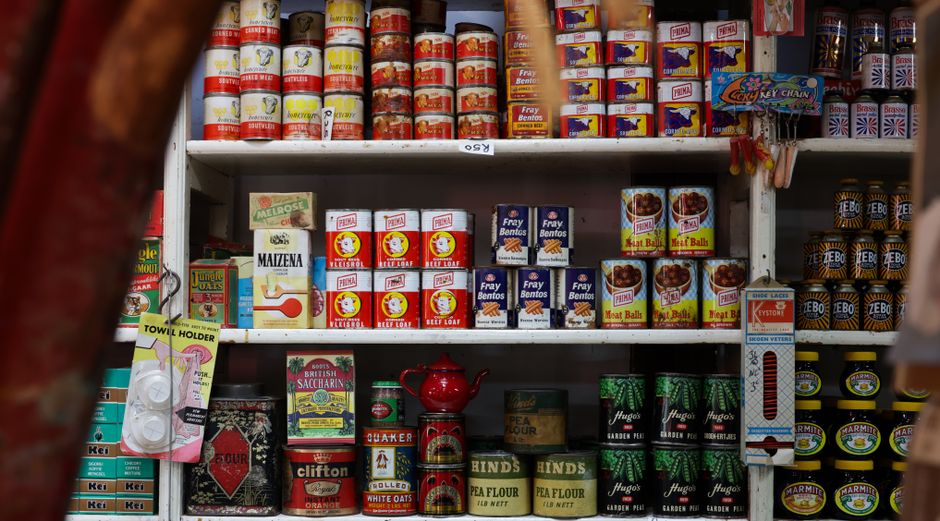
Two products under $20 each that solve specific small-kitchen problems. Tension rods ($8 to $12) create vertical dividers inside cabinets. You can stand cutting boards, baking sheets, and pot lids on their sides instead of stacking them. Shelf risers ($10 to $15) double your vertical storage on any shelf with at least 15 inches of clearance.
The Seville Classics 2-Tier Shelf Riser at $15 fits 11.5-inch-deep shelves and holds 50 pounds. The Zenith Products Tension Rod at $10 expands from 12 to 20 inches and needs no drilling.
These are the fixes for specific pain points, not whole-pantry solutions. Use a shelf riser in the one cabinet where you store mugs and glasses. Use tension rods in the cabinet under the sink where cleaning supplies fall over constantly. Don’t try to build an entire organization system from $10 gadgets.
Comparison: Which System Fits Your Kitchen
| System | Cost Range | Best For | Installation | Main Limitation |
|---|---|---|---|---|
| Wire Shelving | $15–$180 | Adjustable, heavy-duty storage | Drilling required | Small items fall through |
| Stackable Clear Bins | $4–$35 per set | Visibility, grouping loose items | None | Takes up shelf space |
| Over-the-Door Organizer | $25–$40 | Adding new storage, lightweight items | None (hangs on door) | Weight limit, needs door clearance |
| Pull-Out Drawers | $45–$90 per drawer | Deep lower cabinets, access to back | Drilling required | Cost, needs deep cabinets |
| Tension Rods & Risers | $8–$15 each | Specific problems (lids, mugs, boards) | None | Not a full system |
If I had to pick one system for a small kitchen, it’s the over-the-door organizer plus clear bins. That combination costs under $60 total, requires no drilling, and solves the two biggest problems: not enough space and not enough visibility. If you own your home and have deep lower cabinets, add pull-out drawers next. Wire shelving and tension rods are for specific situations, not starting points.
The Order of Operations That Prevents Wasted Money
Buying organizers before decluttering is the most expensive mistake you can make. You’ll organize food you should have thrown away and buy bins for items you don’t actually use.
Start by emptying every pantry shelf and drawer. Check expiration dates. Throw away anything expired. Donate unopened, unexpired food you won’t eat. Then group what remains by category: baking, canned goods, snacks, grains, spices, oils.
Only after you see what you actually have—and how much of it—should you buy any organizing products. The person with 15 spice jars needs a different solution than the person with 5. The person who cooks daily needs different access than the person who orders takeout four nights a week.
The 80% Rule for Small Pantries
Never fill a shelf or bin more than 80% full. The remaining 20% is your working space—the room you need to pull things out, see what’s behind, and put things back. A 100% full pantry is a disorganized pantry waiting to happen. When everything is jammed in, nothing has a home, and the system collapses within a week.
The oatmeal box stopped falling on my head once I stopped stacking it on top of the olive oil. A $10 shelf riser put the oil on the bottom tier and the oatmeal on the top tier. A $25 over-the-door organizer moved the tea boxes and spice jars out of the cabinet entirely. The total cost was under $50. The time saved looking for things is worth more than that every month.