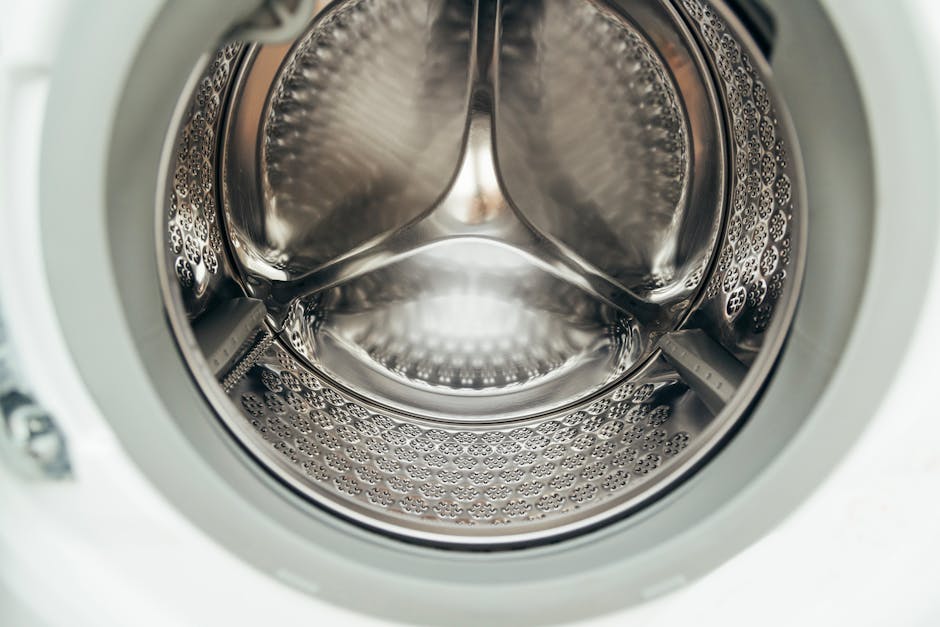
If you own a dog that sheds, your washing machine is currently dying. It’s a slow, wet, hairy death. Most people don’t realize it until they see that little pool of gray water sitting at the bottom of the drum, or worse, when the machine starts making a sound like a blender full of gravel during the spin cycle.
I learned this the hard way in November 2022. I have a Golden Retriever named Barnaby who seems to produce enough fur to knit a second, slightly smaller dog every week. I was being lazy and washing his bedding without shaking it out first. Mid-cycle, my LG front-loader just… quit. The repair guy, a very patient man named Steve, pulled out a literal brick of felted hair from the drain pump filter. It cost me $342.20 for a forty-minute visit. He looked at me with this mix of pity and judgment that I still feel in my soul whenever I press the ‘Start’ button.
The day I realized the ‘paws’ are a lie
After Steve left, I went on a desperate shopping spree. I bought those silicone ‘paw’ things you see all over TikTok. You know the ones—they’re sticky, they come in bright orange or green, and they promise to grab hair right off the clothes. Total lie. I used four of them in a single load of towels and they caught maybe 12% of the hair. I actually weighed the hair I pulled off the towels afterward versus what was on the paws. It was pathetic.
I might be wrong about this, but I’m convinced those things only work if you’re washing, like, one silk scarf and your pet is a hairless cat. If you have a real animal with real fur, those sticky pads just get covered in soap scum within five minutes and lose all their tackiness. They just bounce around the drum like useless, expensive gummy bears.
What I mean is—actually, let me put it differently. They aren’t just ineffective; they’re a psychological placebo. They make you feel like you’re doing something while your drain pump is actually gasping for air.
The truth is that most hair catchers sold on Amazon are just landfill fodder designed to exploit the desperation of people who are tired of linty black jeans.
The math of my misery
I spent three months testing different methods. I’m not a scientist, but I am a guy who works a boring office job and spent his lunch breaks reading appliance forums. I tried the floating mesh bags, the silicone discs, and even those weird sponge balls. Here is the breakdown of what happened when I tracked the results over 20 loads of laundry:
- Floating Mesh Cones: Caught about 18 grams of hair over two weeks. Most of it was just lint, not the heavy dog fur that actually clogs pipes.
- Silicone Paws (FurZapper clones): Almost zero hair caught in the water, though they did help knock some loose so it could settle in the bottom of the rubber gasket.
- The ‘Gulp’ Method: This is just me using a lint roller before the wash. High effort, high success, but I hate my life while doing it.
- Stainless Steel Mesh Drain Protector: This goes on the end of the discharge hose. It caught everything. Literally everything.
That last one is the secret, but nobody wants to talk about it because it’s not ‘aesthetic.’ You zip-tie a small mesh sock to the end of the hose where the water exits into your laundry tub. It looks like a crime scene after one wash, but it’s the only thing that actually stops the hair from entering your plumbing.
The part nobody talks about (and my petty brand grudge)
I have a specific, probably unfair hatred for the brand Vamoosh. Everyone in the UK and now the US raves about their hair-dissolving powder. I refuse to use it. Why? Because the packaging is this garish, aggressive purple that reminds me of the disinfectant they used in the hospital when I had my appendix out. Also, the idea of putting enough chemicals in my machine to ‘dissolve’ hair feels like I’m slowly melting my own gaskets. I don’t care if it’s ‘pet safe.’ I don’t trust it. I’d rather pull the hair out with my bare hands like a caveman than pour that stuff in my drum.
Anyway, I digress. The real issue with catchers that go inside the drum is that they are fighting physics. In a high-efficiency washer, there isn’t enough standing water for those floating mesh things to actually float. They just get pinned against the side of the drum by centrifugal force. They’re like a nightclub bouncer who’s been glued to the back wall—they can’t catch anyone if they can’t move.
I also think hot water makes hair ‘shrink’ or curl up, which makes it even harder to catch. I have zero scientific evidence for this, but in my experience, cold washes seem to leave the hair ‘looser’ so it actually moves toward the filter. Don’t @ me about the thermodynamics of keratin; this is just what I’ve seen in my own laundry room at 10 PM on a Tuesday.
What actually works (The Verdict)
If you want the best washing machine hair catcher, you have to stop looking for a ‘gadget’ and start looking at your machine’s anatomy.
1. The Internal Filter: This is the most important part. If you have a front-loader, there is a little door at the bottom. Open it. Unscrew the cap. Prepare for the smell of a thousand rotting dreams. Clean it every single week. This is the only ‘catcher’ that actually matters for the health of your machine.
2. The FurZapper (The real ones): Okay, I’ll admit it. I used to think these were 100% trash. I was wrong. They don’t ‘catch’ the hair in the wash, but if you throw them in the dryer, they actually do help pull the hair off the fabric so the dryer’s lint trap can do its job. In the washer? Useless. In the dryer? Actually okay.
3. Lint Traps for Discharge Hoses: If your washer drains into a sink, get the Filtrol 160 or a simple stainless steel mesh sock. It’s gross to change, but it’s the only thing that saves your septic tank or city pipes.
I know some people will say ‘just brush your dog more,’ but those people clearly don’t live in the real world. Barnaby sheds when he’s happy, he sheds when he’s sad, and he sheds especially hard when I’m wearing my one good black suit. We are just living in his world, trying to keep our appliances from exploding.
It’s a constant battle against entropy. I don’t think we ever really ‘win’ against the hair. We just negotiate a temporary ceasefire until the next heavy shedding season hits.
Clean your filters. Buy the mesh socks. Avoid the purple boxes.