Three summers ago, I dragged my old comforter out of the hall closet and immediately remembered why I’d shoved it there in the first place. It weighed about eight pounds, it was too hot by April, and the washed-out navy geometric pattern made my bedroom look like a college dorm circa 2026. I’d already repainted the walls — twice — swapped the nightstands for something with actual wood grain, and spent embarrassingly more than I’d like to admit on throw pillows. Nothing worked. The room still felt wrong, and I couldn’t explain why.
It took me longer than it should have to figure out the problem. The bed was the visual anchor of the entire room, and I’d been treating it like an afterthought. The day I finally addressed the bedding, everything else fell into place in under an hour.
Why the Bed Ruins Every Bedroom Makeover
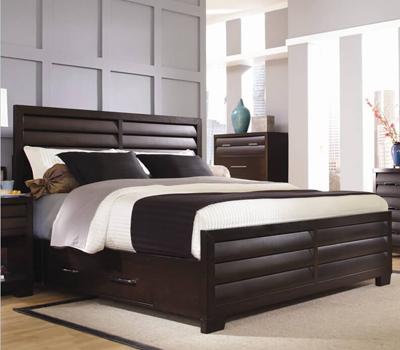
Stand in the doorway of your bedroom and pay attention to where your eye goes first. It goes to the bed. Always. On a standard queen setup, the bed and its covering occupy somewhere between 30 and 40 percent of your visual field from the doorway. It’s not just furniture — it’s the backdrop everything else in the room is measured against.
The Focal Point Problem Most People Skip
Here’s a useful exercise: take a wide photo of your bedroom from the doorway, then crop out the bed. Whatever’s left — curtains, nightstands, wall art, plants — that’s your supporting cast. Now look at the uncropped photo again. The bed is setting the tone for everything else in the frame.
I spent $280 on linen curtains from Pottery Barn — the specific creamy, slightly rumpled ones that design blogs keep recommending — and they genuinely looked great when I held them up against the window light. Then I stepped back and my eye dropped to the bed, still covered in that thick, pilling gray comforter with the sun-faded pattern, and the room immediately read as inconsistent. The curtains were working hard. The bedding was undoing all of it.
This is the pattern I see in almost every stalled bedroom makeover: people fix everything except the thing taking up the most visual space. New accent pieces don’t fix this. They layer on top of the problem. The bed has to come first.
The Seasonal Bedding Trap
Most households own one primary bedding setup and one emergency backup blanket. The primary setup is almost always sized for winter — because cold nights are when we’re motivated to buy bedding. So the bedroom looks intentional from November through February, and then you spend eight months either sweating under something too thick or sleeping under a flat sheet that makes the bed look unmade even when it’s technically made.
A lightweight quilt in the 300–400 GSM fill range handles most of the year in most US climates. It has enough substance to look polished and intentional on the bed, enough warmth for cool evenings, and it doesn’t trap heat the way a sealed comforter does. You can layer it with a heavier throw in December. The critical point: it lives on the bed year-round, which means it does the visual work year-round. A heavy comforter folded in a closet from March to October is doing zero decorating for you during those seven months.
Why More Throw Pillows Don’t Solve It
Throw pillows help when the base bedding is neutral and you’re adding interest on top. They do almost nothing when the bedding itself is the problem — wrong visual weight, dated pattern, or just worn out looking. Decorating over bad bedding looks like you’re trying to distract from a problem. Because you are.
Fix the quilt first. Once the foundation is right, the pillow arrangement becomes genuinely easy — and you’ll likely need fewer of them than you think.
Quilt vs. Comforter vs. Coverlet: What Actually Differs
These terms get swapped constantly in product listings and it leads to bad purchases. A comforter is a single sewn sack filled with down or synthetic down alternative — all-or-nothing warmth, and when the fill clumps after washing, there’s no stitch pattern to redistribute it. A quilt is stitched through all layers at regular intervals, keeping the fill evenly distributed even after dozens of washes and giving the piece visible structural character. A coverlet is a decorative top layer with minimal fill — a styling piece, not a warmth piece. Knowing the difference matters before you spend anything.
| Type | Fill Material | Approx. Weight | Best Season | Typical Price (Queen) |
|---|---|---|---|---|
| Down Comforter | Goose/duck down or alternative | 600–1,200g | Winter | $80–$350+ |
| Microfiber Quilt | Polyester fiberfill, stitched through | 300–500g | Spring–Fall | $30–$80 |
| Cotton Batting Quilt | Natural cotton, stitched through | 400–700g | All Season | $60–$180 |
| Coverlet | Minimal or none | Under 300g | Summer / Layering only | $40–$130 |
| Weighted Blanket | Glass beads or plastic pellets | 5–25 lbs | Year-round (therapeutic) | $50–$200 |
When Microfiber Beats Cotton for Most Buyers
Cotton quilts from brands like Pendleton or Laura Ashley have real appeal. They breathe naturally, develop a softer hand after repeated washing, and carry a quality that’s hard to fake with synthetic fill. The trade-off: they typically require cold gentle cycles, take significantly longer to dry, and cost $100–$180 for a full queen set. If you sleep very hot or live in a consistently humid climate, the cotton premium might be worth it.
For most people in mixed climates, microfiber quilts are the more practical choice. Machine wash warm, tumble dry low, done in about 50 minutes. They hold their shape through dozens of cycles and cost half as much as cotton. If you want to test the microfiber category before committing to a patterned piece, the Bedsure reversible quilt (~$38–$45 for queen) is a low-stakes starting point.
The Coverlet Misunderstanding
Coverlets are a styling tool, not a primary warmth layer. When you see a perfectly made bed on an interior design account — layered, crisp, effortlessly composed — there’s often a coverlet on top doing the aesthetic work, with a real quilt or duvet underneath doing the thermal work. Using a coverlet alone as your primary bedding works in Florida in August. Everywhere else, plan on a proper quilt or duvet underneath it, or you’ll be cold and annoyed by November.
The Quilt Set That Finally Fixed My Bedroom
I’ll be direct: the 3 Piece Black Boho Floral Quilt Set is the best under-$50 bedding purchase I’ve made. That’s a specific claim with a specific reason behind it, not a blanket endorsement of anything floral and cheap.
What 90 x 96 Inches and 1,344 Reviews Actually Tell You
Sizing matters more in quilts than most listings acknowledge. Many budget queen quilts labeled “full/queen” run 88 x 88 inches, which gives decent top coverage but shows the mattress sides on a standard 9-inch profile bed — or barely clears the box spring. At 90 x 96 inches, this set has real coverage that drapes properly and looks intentional from across the room. A quilt that’s visibly too small gives away the budget even if the pattern is attractive.
The fill is polyester microfiber, stitched in the botanical pattern itself, so the design and the quilting reinforce each other rather than fighting. The set includes two matching standard/queen shams, which means you only need two additional accent pillows to finish the bed — not five. With 4.7 out of 5 stars across 1,344 reviews, the real-world feedback confirms the sizing, washability, and pattern fidelity hold up consistently. At that review volume, problems surface fast. The consistent record here is clean washing, maintained shape, and accurate color representation on arrival.
Care is straightforward: machine wash warm, tumble dry low. The dark-ground pattern — a common failure point for cheaper dyed bedding — holds its depth after repeated washing according to the review base. That matters a lot. A faded black-ground print within six months is worse than never buying it.
Why Black-Ground Botanical Pattern Works in More Rooms Than You’d Expect
Black bedding sounds like a decorating risk. In practice, a black-ground botanical pattern with detailed light floral elements behaves differently from a solid black piece. The floral motif adds visual movement and keeps the surface from feeling heavy; the black ground anchors the composition and stops it from looking chaotic or overly sweet. It reads more like a deep neutral than a dark color.
I have warm-toned walls — a greige with a noticeable terracotta undertone — and this bedding coordinates with them rather than clashing. The same applies to white walls, soft gray, sage green, and warm cream. The one combination I’d avoid: very dark jewel-tone walls like navy or forest green, where the contrast stacks up too heavily. The reversible side tones the pattern back to something quieter when you want a simpler look, which makes this more versatile than a single-face quilt at the same price.
Building a Boho Bedroom That Doesn’t Look Cluttered
Boho styling gets a bad reputation because people treat it as permission to pile on every woven, macramé, and rattan piece they own. Well-executed boho rooms feel layered and warm. Cluttered boho rooms feel like a storage problem. The difference comes down to discipline about where pattern and texture live.
- Pick one pattern anchor and commit to it. In a bedroom, that’s the quilt. Everything else should be solid, texture-based, or a significantly smaller-scale pattern. Two competing patterns — a bold botanical quilt plus a geometric rug — fight each other and both lose the argument.
- Ground the room with a low-contrast rug. When the bedding carries strong pattern, the rug needs to be quiet. The Tyrot Boho Floral 5×7 rug in blush pink and pearl ($49.99, rated 4.2/5) does this well — botanical motif, soft colorway that supports the bedding rather than competing with it. Ultra-thin, non-slip, machine washable. It also transitions into a living room setup if you’re extending the boho aesthetic beyond the bedroom.
- Add texture, not more color. Rattan furniture, jute lamp bases, linen throws, woven baskets. These build visual depth at the material level without multiplying your color count.
- Cap throw pillow colors at two. Pull two colors directly from the quilt pattern and repeat them in pillows only. Two is cohesive. Three becomes a jumble within a week of trying to keep it neat.
- Coordinate by tone, not by material. A rattan nightstand doesn’t need to match a wood headboard material-for-material — they just need to share a warm or cool temperature. Boho works because pieces look collected over time, not purchased together as a set. That’s the feel you’re after.
- Leave negative space intentionally. A single tall plant in an empty corner reads as considered. That same corner crammed with a floor lamp, three storage baskets, and a macramé wall piece reads as unresolved. One focal moment per corner, maximum.
The 60-30-10 Rule Applied to Boho Bedrooms
Interior designers use a ratio: 60% dominant color (walls and floor), 30% secondary (main textiles and furniture), 10% accent (small statement pieces). For a boho bedroom, a functional version of this looks like: 60% neutral walls plus warm wood or light flooring, 30% botanical-patterned quilt plus earthy textiles, 10% a single bold accent — terracotta planters, brass candleholders, or one deep-toned throw at the foot of the bed. The black floral quilt lives in that 30% zone. It’s a statement that organizes the room rather than overwhelming it.
Real Products That Work in This Aesthetic Under $150
For rattan seating: the IKEA Nipprig armchair ($130–$150) and the Threshold with Studio McGee collection at Target both have accessible, non-precious pieces that fit this aesthetic without looking costume-y. For linen throws: Bedsure’s waffle-knit cotton throw runs $35–$42 and complements a botanical quilt without competing with it — the neutral waffle texture adds warmth without adding pattern. For wall art: Mkono macramé wall hanging kits start around $22 on Amazon. None of these require significant investment. They support rather than fight a strong quilt pattern as the room’s primary visual moment.
The Short Answer
If your bedroom still feels unfinished after you’ve tried the obvious fixes — new paint, better lighting, more plants — the problem is almost certainly the bedding. A botanical quilt set with a strong, room-anchoring pattern does more work per dollar than any accent piece you could add around it. At $49.99 for a full queen set with two matching shams, the 3 Piece Black Boho Floral Quilt Set is the first change I’d make — not after everything else is sorted, but before.