Most people shop for a mattress like they’re hunting for a miracle. They think if they just spend enough money on the right memory foam, their chronic back pain will vanish and they’ll wake up feeling 25 again. That’s not how furniture works. A mattress is a support structure. It holds your body in alignment while your muscles repair themselves. It doesn’t fix a stressed-out nervous system, a terrible diet, or the fact that you stare at a phone screen until 1 a.m. If you buy a $3,000 hybrid mattress but sleep on a sagging box spring from 2003, you’ve wasted your money. This guide treats a mattress like what it actually is—a critical piece of bedroom furniture that needs to work with everything else in the room.
Your Bed Base Matters More Than the Top Layer of Foam
Walk into any mattress store and the salesperson will steer you straight to the pillow-top display models. They’ll tell you about gel-infused this and copper-threaded that. What they won’t mention is the platform underneath. A mattress is only as good as the surface supporting it.
I’ve watched people put a $2,500 Saatva Classic on a worn-out box spring with broken slats and then complain the mattress is defective. It’s not. The foundation failed. Memory foam and hybrid mattresses need rigid, even support. If your base has any flex or sag, the mattress will conform to that shape permanently within months.
Slatted Foundations: The Spacing Rule Nobody Checks
If you’re using a slatted bed frame—and most platform beds use these—the gap between slats cannot exceed 3 inches. Wider spacing creates unsupported zones where foam can sag between the slats. The Leesa Sapira Hybrid and most Nectar models explicitly require slats no more than 3 inches apart. Measure yours before ordering. If the gaps are wider, buy a bunkie board. A Zinus Bunkie Board costs about $80 on Amazon and adds a solid surface without replacing the whole frame.
Adjustable Bases Aren’t Just for Hospitals
An adjustable base changes how you use the bed. Raising the head by 6-8 inches can reduce mild snoring and acid reflux. Raising the feet slightly takes pressure off the lower back. The Puffy Adjustable Base ($1,199) works with most foam mattresses and has a zero-gravity preset that elevates both ends. If you read or watch TV in bed, this matters more than the mattress material. A flat mattress on an adjustable base beats a luxury mattress on a flat, broken box spring every time.
When You Shouldn’t Buy a New Mattress

Sometimes the problem isn’t the mattress. It’s the pillow. Or the thermostat. Or the fact that your mattress is 4 years old and you’ve never rotated it.
Before spending anything, rotate your current mattress 180 degrees. If it’s double-sided (rare now, but some Saatva models are), flip it. Give it two weeks. If your sleep improves, you just saved yourself a grand.
Check your pillow height. Side sleepers need 4-6 inches of loft to fill the gap between shoulder and head. Back sleepers need less, around 3-4 inches. Stomach sleepers need almost none. A $25 pillow swap fixes neck pain that people routinely blame on a $2,000 mattress.
Room temperature matters more than mattress cooling technology. The ideal sleep temperature is 65-68°F. No amount of gel-infused foam compensates for a 74° bedroom. If you wake up hot, set your thermostat lower before you start shopping for “cooling” mattresses. The Tempur-Pedic Breeze line claims 8-degree cooling, but it can’t fight a hot room.
Mattress Types: A Comparison That Cuts Through Marketing
| Type | Best For | Worst For | Price Range | Lifespan |
|---|---|---|---|---|
| Memory Foam | Side sleepers, couples (no motion transfer) | Hot sleepers, stomach sleepers | $400–$1,500 | 6–8 years |
| Latex | Hot sleepers, eco-conscious buyers | Budget shoppers, people who want a “sinking” feel | $800–$2,500 | 10–15 years |
| Hybrid (foam + coils) | Back sleepers, heavier bodies (250+ lbs) | People who hate any bounce | $700–$3,000 | 7–10 years |
| Innerspring | Stomach sleepers, anyone on a tight budget | Couples (high motion transfer) | $300–$1,200 | 5–7 years |
A few things the table doesn’t show. Memory foam off-gasses. That chemical smell when you unbox a Nectar or Casper? It’s volatile organic compounds from the foam manufacturing. It usually clears in 48 hours, but if you have asthma or chemical sensitivities, go with latex. The Avocado Green Mattress uses organic latex and wool and has almost no off-gassing smell.
Hybrids are the safest bet for most people. They combine the pressure relief of foam with the support and airflow of coils. The Helix Midnight Luxe ($1,899 for a Queen) is a hybrid specifically designed for side sleepers with zoned lumbar support coils. But if you weigh under 130 pounds, you might not compress the coils enough to feel the benefit. A lighter person on a hybrid is basically sleeping on just the foam top layer. In that case, a medium-firm all-foam mattress like the Tuft & Needle Original ($795 for a Queen) makes more sense.
The 10-Minute In-Store Test That Actually Works

Most people lie on a mattress for 90 seconds in a showroom, stare at the ceiling, and say “this feels nice.” That tells you nothing. You need to run through the positions you actually sleep in, and you need to hold each one long enough for your muscles to relax.
- Start in your primary sleep position. If you sleep on your side, get on your side. Stay there for 4 minutes. Don’t look at your phone. Don’t talk. Just breathe and let your body settle.
- Check your spine alignment. Have someone take a photo of you from behind. Your spine should form a straight line from neck to tailbone. If your hips sink too low, the mattress is too soft. If your waist has no support and your spine curves sideways, it’s too firm.
- Switch to your secondary position. Most people shift positions during the night. If you sometimes sleep on your back, test that too. Does the mattress push back against your lumbar curve or does it let your lower back collapse?
- Test edge support. Sit on the edge of the mattress. Does it collapse? If you share a bed, you’ll use the edges. A mattress that buckles at the edge effectively shrinks your sleeping surface. The WinkBed Plus ($1,799 for a Queen) has reinforced edges that hold up well for heavier sleepers.
If the salesperson won’t leave you alone for 10 minutes, leave. Pressure is the enemy of a good buying decision.
Delivery, Setup, and the 30-Night Break-In Period
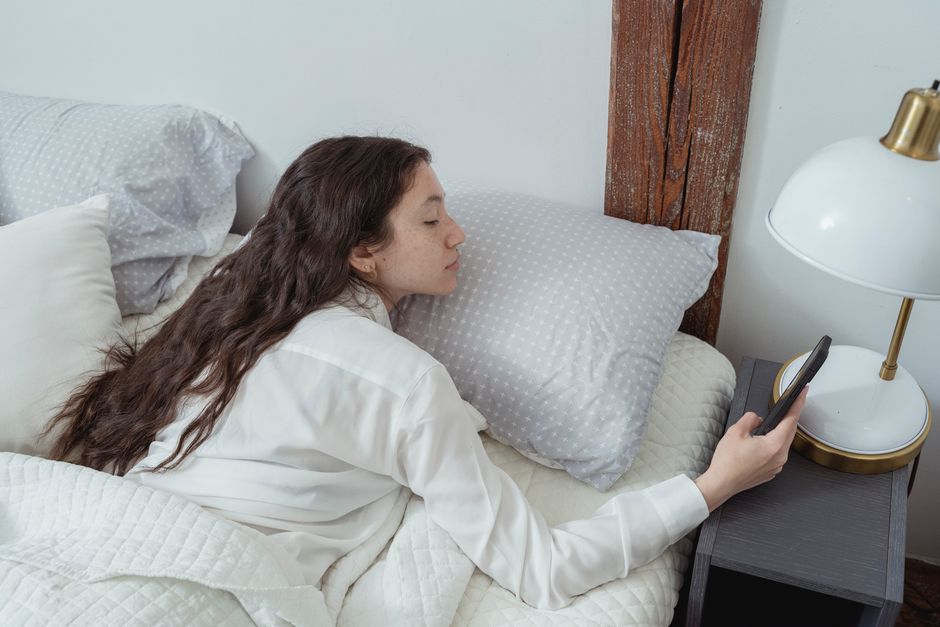
Your new mattress will not feel right on night one. This is normal. Foam layers need time to expand and soften. Your body needs time to unlearn the posture it developed on your old mattress. Give it 30 nights before you judge anything.
When a bed-in-a-box arrives—a Casper, a Nectar, a Purple—unbox it immediately. Don’t let it sit compressed for days. The foam needs to decompress. Most brands recommend 24-48 hours for full expansion, but you can sleep on it after 4-6 hours. It just won’t have reached its final firmness yet.
Mattresses are heavy and awkward. A Queen memory foam mattress weighs 60-100 pounds. Have two people for the unboxing. Place the rolled mattress on the frame before you cut the plastic. Do not cut the plastic and then try to drag an expanded, floppy mattress onto the frame. You will throw your back out and the mattress will look like a sad, half-inflated pool toy.
If you’re replacing an old mattress, arrange disposal. Some brands—Saatva and Avocado—include free old mattress removal with delivery. Most bed-in-a-box companies don’t. Your local waste management might pick it up for a fee, or you can pay a service like LoadUp ($75-$150 depending on location). Don’t leave a mattress in the alley. It’s a pest magnet and it’s illegal in most cities.
Mattress shopping has gotten quieter. Fewer people are walking into showrooms and more are ordering online, unboxing a compressed slab of foam and hoping for the best. The companies that win in the next few years will be the ones that make returns genuinely painless—not the ones with the fanciest cooling technology or the most layers. A mattress is a long-term piece of furniture. The buying experience should reflect that.