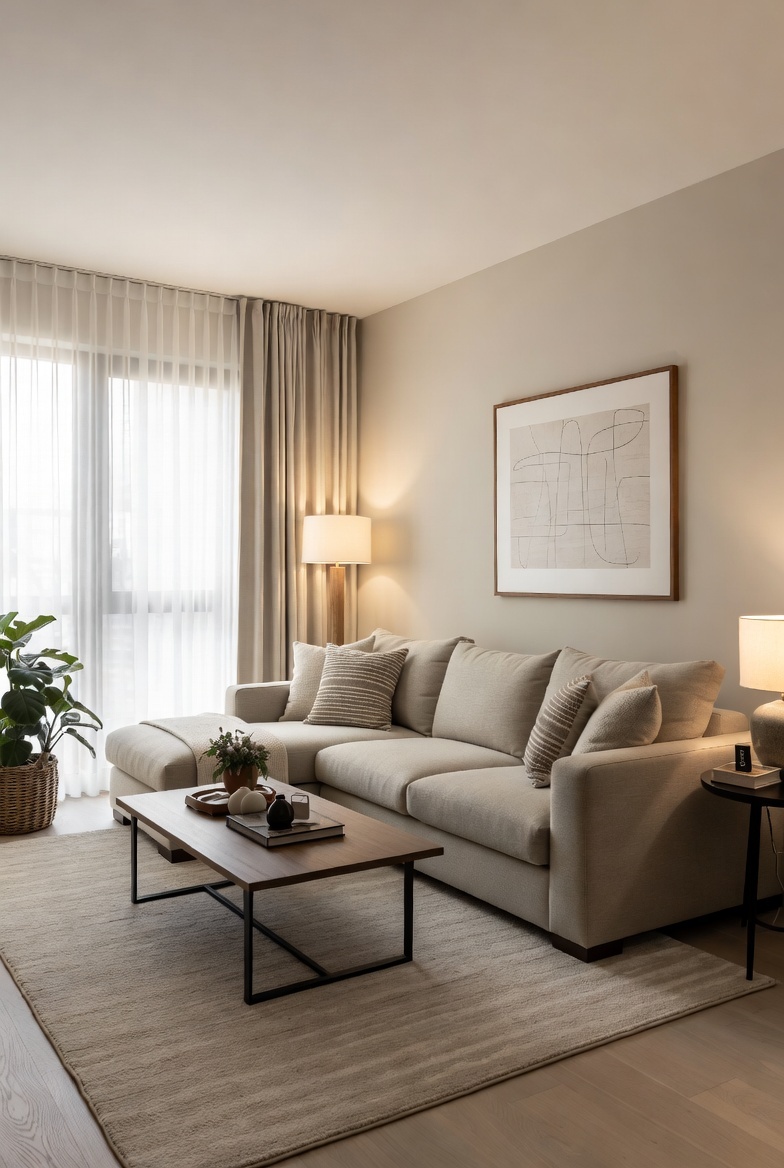
Looking for top tips for choosing a comfortable sectional sofa? You’re in the right place. A sectional sofa isn’t just another piece of furniture—it’s where your family hangs out, where you unwind after a long day, and often the centerpiece of your living room. Getting it right means balancing comfort, size, and durability so it fits your space and lifestyle perfectly. In this guide, you’ll discover practical, expert-backed advice to help you pick a sectional that not only looks great but feels amazing day after day. Let’s jump in and make sure your next sectional sofa is everything you’ve been dreaming of.
Assess Your Space and Layout Needs
Before choosing a comfortable sectional sofa, start by carefully assessing your room. Accurate measurements are crucial. Measure the width and length of the space where you plan to place the sectional. Don’t forget to check doorways, hallways, and any tight corners to ensure your sofa can be delivered easily. Also, consider how people move around the room—maintain clear traffic flow to avoid cramped spaces.
Apply the 2/3 Rule
A simple guideline is the 2/3 rule: your sectional’s length should not exceed two-thirds of the longest wall. This helps keep the room balanced without overwhelming the space.
Consider Your Room Shape
Your sectional’s shape should complement your room’s layout:
- L-shaped sectional: Ideal for corners and smaller spaces. It maximizes seating without cutting through the room.
- U-shaped sectional: Best for larger, open areas. It encourages conversation and offers plenty of seating.
- Modular sectional sofa: Offers flexibility—you can rearrange pieces to fit different spaces or needs.
Tips for Different Room Sizes
- Small spaces: Opt for sectionals with a chaise or a compact L-shape. Avoid oversized pieces that block walkways.
- Large spaces: Use U-shaped or modular sectionals to fill the room without feeling sparse.
Delivery Considerations
Think about how your sectional will get inside your home. Narrow doors, stairs, or elevators can pose challenges. Measure these spaces and confirm with your retailer before purchase to avoid surprises on delivery day.
By thoroughly assessing your space, you’ll choose the best sectional that fits comfortably and functions well in your home.
Choose the Right Configuration and Orientation
Picking the right sectional layout is key to comfort and style. Here’s a quick breakdown of popular types:
| Type | Best For |
|---|---|
| L-shaped | Fits corners, maximizes seating |
| U-shaped | Large open spaces, great for groups |
| Chaise | Lounging, adds a relaxed vibe |
| Modular | Flexible, easy to rearrange |
| Reclining | Extra comfort, perfect for relaxing |
| Sleeper | Dual-purpose for guests |
Next, decide if you need a left-facing or right-facing chaise. This depends on your room layout and traffic flow — place the longer side where it won’t block walkways or doors.
Also, think about seating capacity. If you want a spot for family chats or movie nights, choose a sectional that encourages conversation with seating facing each other. For lounging, deeper seats or chaise sections are ideal.
Balancing these elements ensures your sectional sofa fits your lifestyle and space perfectly.
Prioritize Comfort Through Seat Dimensions and Cushion Design
When choosing a comfortable sectional sofa, seat dimensions and cushion design play a huge role. Seat depth is key: go for a deeper seat (35 inches or more) if you love lounging or napping. If you prefer upright sitting, shallower seats work better to support good posture.
Seat height usually falls between 18-20 inches, which suits most adults, but keep your body height in mind to avoid discomfort. Taller people might want a higher seat for easier standing up, while shorter adults may prefer a lower seat.
Cushion fill matters just as much as size. High-density foam cushions provide firm support and durability, great for everyday use. If you want plushness, cushions with down or down-blends add softness and luxury but might need more fluffing. For a balance of comfort and support, medium-firm cushions are your best bet.
Don’t overlook back support and arm height—ergonomically designed arms and backs help you lounge comfortably for hours without strain, whether you’re watching a movie or chatting with family.
For more tips on how to tailor your sectional for your lifestyle, check out ideas on how to design a cozy and stylish living space.
Focus on Frame Construction and Quality Build
When choosing a comfortable sectional sofa, the frame is the backbone of durability and support. Aim for hardwood frames, preferably kiln-dried, as this process eliminates moisture and prevents warping over time. Avoid cheaper materials like particleboard, which won’t hold up well under daily use.
Pay close attention to the suspension system—look for sinuous springs or the premium eight-way hand-tied springs. These provide consistent, even support and help your sectional maintain its shape longer. Also, inspect the joinery; sturdy corners and well-assembled joints indicate quality craftsmanship. Don’t forget to check the weight capacity to ensure the sectional can comfortably support your family and guests.
A solid frame means your investment in a comfortable sectional sofa will last for years without sagging or wobbling. For more tips on avoiding aches and pains from poorly made furniture, consider looking at our detailed guide on how to avoid aches and pains with the right seating choices.
Select the Best Upholstery Fabric for Comfort and Lifestyle
Picking the right upholstery fabric is key to a comfortable sectional sofa that fits your lifestyle. If you have kids or pets, look for performance fabrics—they’re stain-resistant, scratch-proof, and easy to clean, making them a practical choice for busy homes. Leather offers a luxurious feel and ages well over time, but it’s less breathable and might be tough for families with small children. For breathability and a softer touch, linen or cotton fabrics work great, especially in warmer climates.
Consider texture, too. Soft velvets and microfiber add a cozy vibe and feel great to the touch. But remember, some delicate fabrics may show wear faster, so balance comfort with durability. Families should prioritize fabrics that are fade-resistant and built for everyday use.
For tips on maintaining upholstery and keeping fabrics looking fresh, check out effective methods in the best ways to clean and maintain your furniture.
Test for Real-Life Comfort and Functionality
Before committing to a sectional sofa, try it out in person if you can. Sit, lie down, and imagine how it feels during a movie night or a quick nap. This hands-on testing helps you judge real comfort beyond just looks.
Think about additional features that could improve your daily use, such as built-in recliners, adjustable headrests, hidden storage compartments, or USB charging ports. These extras add convenience and make your sectional more functional.
If you have kids or pets, look for a sectional that holds up well to wear and tear but still stays comfortable. Pet-friendly sectionals with easy-clean fabrics and durable cushions are a smart choice for a family-ready sofa.
For more on picking sofas that fit your real-life needs, see our guide on finding your favorite recliner, which covers comfort and practical features you’ll appreciate daily.
Set a Budget and Evaluate Long-Term Value
When choosing a comfortable sectional sofa, setting a clear budget is essential. Sectionals come in a wide price range—from budget-friendly options to high-end investment pieces. While cheaper models might be tempting, they often cut corners on frame quality, cushions, or upholstery, leading to sagging and discomfort over time.
Aim to balance cost with value by considering warranties, return policies, and the sofa’s expected lifespan. A quality sectional should last at least 10 years with regular use. Investing a bit more upfront often pays off in durability and long-term comfort.
Watch out for red flags like overly cheap materials, weak joinery, or flimsy cushions. These factors can save money initially but will cost more in repairs or early replacement. For guidance on balancing quality with price, check out our tips on smart furniture shopping that help you avoid common pitfalls while staying within budget.
Common Mistakes to Avoid When Buying a Sectional
When picking a comfortable sectional sofa, it’s easy to make avoidable mistakes that cost you time and money. Here are the top pitfalls to watch out for:
- Oversizing the Room: A sectional that looks huge in the store can overwhelm your space. Follow the 2/3 rule to keep the sofa’s length under two-thirds of the wall. Oversized sectionals crush traffic flow and make your room feel cramped.
- Ignoring Delivery Access: Measure doorways, hallways, and staircases before ordering. A big sectional may not fit through your front door or elevator. Delivery challenges can delay or even cancel your purchase.
- Choosing Trend Over Comfort: Styles come and go, but comfort lasts. Don’t pick a sectional just because it’s “in.” Focus on seat depth comfort, cushion types, and support that match your lifestyle.
- Skipping Measurements and Fabric Samples: Guesswork often leads to disappointment. Always measure your space precisely and request fabric samples. What looks good online or under store lights might not feel right at home.
By avoiding these mistakes, you save yourself headaches and ensure your sectional sofa truly fits your home and needs. For more helpful tips on decorating and furniture choices, explore this guide on common decorating mistakes to avoid.