Can you paint that tired dresser or scratched dining chair without the new finish peeling a month later? Yes, but the paint is rarely the part that decides the result. Old furniture holds polish, wax, grease, silicone, and years of grime. If those layers stay on the surface, even expensive paint can fail.
I have found that three choices matter most: how well you clean, which primer matches the old finish, and how patiently you let the final coat harden. The method below works for varnished wood, laminate, painted pieces, and most secondhand furniture worth saving.
Which preparation method fits the old finish?
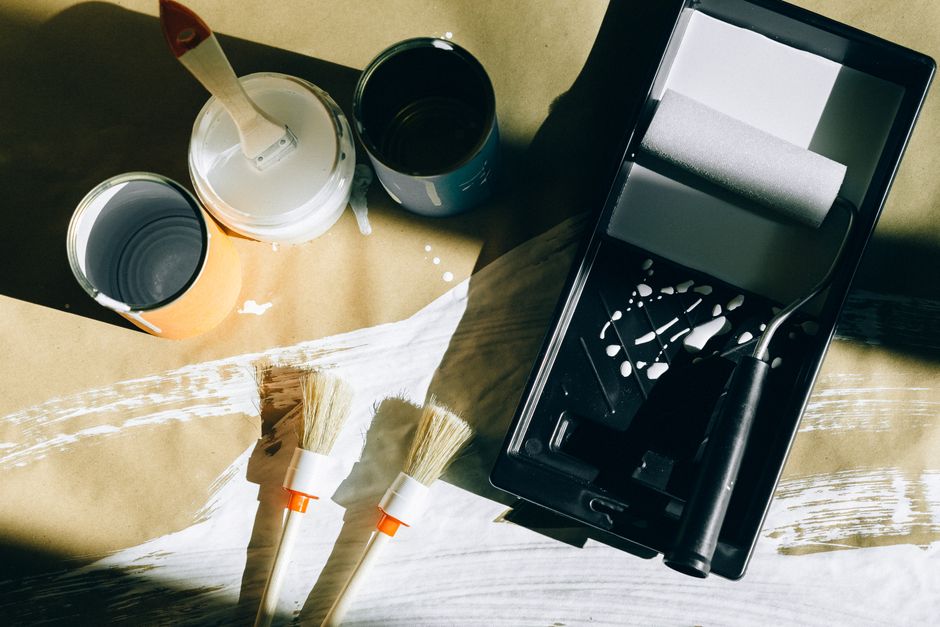
My verdict is simple: use the least aggressive method that produces a clean, dull, stable surface. Stripping every piece down to bare wood sounds thorough, but it adds mess, time, and the risk of damaging veneer. Full stripping makes sense only when the old coating is failing across most of the furniture or when you want a natural wood finish.
Choose by surface, not by age
| Furniture condition | Preparation method | Typical time | Best result |
|---|---|---|---|
| Sound painted wood | Degrease, scuff with 180-grit paper, fill dents | 2 to 4 hours | Fast repaint with minimal mess |
| Glossy varnished wood | Degrease, scuff thoroughly, spot-strip damaged areas | 4 to 6 hours | Reliable primer adhesion |
| Laminate or melamine | Clean, lightly abrade, use a bonding primer | 3 to 5 hours | Durable color change |
| Peeling or cracked finish | Scrape loose coating, sand edges smooth, seal exposed areas | 6 to 10 hours | Even surface without raised edges |
My prep verdict
For most thrifted dressers and side tables, clean, scuff, fill, and prime. Buy a chemical stripper only for badly cracked finishes, heavy paint buildup, or a restoration project where bare wood is the goal. Do not strip veneer just because the finish looks old. Veneer is thin, and one careless sanding session can cut through it permanently.
Also inspect the piece before spending money. Water damage, swollen particleboard, loose joints, and a strong mildew odor can cost more to fix than the furniture is worth. Paint hides color, not structural problems.
Which primer works best on old furniture?
My strongest recommendation is Zinsser B-I-N Shellac-Based Primer for unknown, glossy, stained, or smoky old furniture. A quart usually costs about $27 in US stores, and it dries fast enough for two primer coats in one day. It blocks odor and tannin bleed better than ordinary water-based primer, which matters on oak, pine knots, mahogany, and furniture that lived in a smoking home.
Best primer for stains and unknown finishes
Zinsser B-I-N is thin and messy, so use a quality synthetic brush, good ventilation, and a drop cloth. It can flash-dry on the brush, so work in small sections and do not overbrush. One solid coat often seals the surface; use a second coat over dark stains or persistent odors. Sand lightly with 220-grit paper after it dries.
Best primer for clean, sound surfaces
For a clean painted piece or lightly varnished wood, Zinsser Bulls Eye 1-2-3 costs roughly $22 per quart and offers easier cleanup with water. It is my practical choice when the surface is stable and the furniture has no bleeding knots or smoke odor. For laminate, glossy lacquer, or melamine, use a true bonding primer such as INSL-X Stix, usually about $30 per quart. Stix is slower to dry, but it grips slick surfaces better than a standard wall primer.
Skip paint-and-primer-in-one products on questionable furniture. They save little time because they still need a clean, scuffed base, and they do not replace stain-blocking primer. The right primer is cheaper than sanding off a failed topcoat.
How to choose paint and finish for painted furniture
Do not choose furniture paint by color alone. The finish has to handle the way the piece will be used. A decorative mirror frame needs a different coating from a kitchen chair, and a bookshelf needs more abrasion resistance than a low-use nightstand.
Use this four-step paint plan
- Choose the sheen first. Satin hides small dents and cleans more easily than flat paint. Semi-gloss gives the toughest wipeable surface but highlights uneven repairs.
- Pick a hard-drying formula. Benjamin Moore Advance costs about $64 per gallon and remains my favorite for dressers, doors, and dining furniture because it levels well and cures harder than ordinary wall paint. It takes longer to dry, so plan around the recoat window.
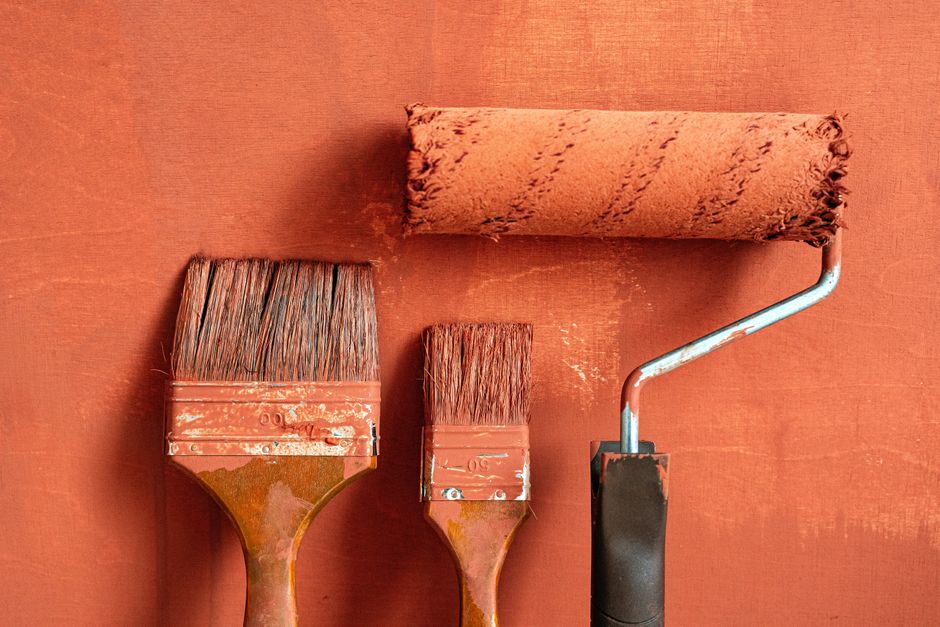
- Use a small roller and a good brush. A 4-inch microfiber roller lays down smooth coats on flat panels. A 2-inch angled brush handles edges and profiles. Avoid cheap foam brushes on large surfaces; they often leave bubbles and drag marks.
- Apply thin coats and respect cure time. Two thin coats beat one heavy coat. Heavy paint stays soft, sags on vertical panels, and traps dust. Behr Premium Cabinet, Door & Trim Enamel costs around $45 per gallon and is a good lower-cost pick for busy furniture when applied in light coats.
When to add a clear finish
For a low-use decorative piece, the cured paint may be enough. For a desk, dining table, or cabinet handled every day, add a water-based clear coat after the paint has dried according to the label. General Finishes High Performance topcoat costs about $22 for a pint and dries clearer than many oil-based finishes. Varathane Water-Based Polyurethane, around $20 per quart, is another practical option for extra protection.
Do not clear-coat every painted piece automatically. Some topcoats can slightly change the color or leave a visible sheen. My pick for a hard-working dresser is Benjamin Moore Advance with a careful cure period; my pick for a pale decorative table that needs extra protection is a thin water-based polyurethane coat.
Old furniture painting questions with clear answers
Do I have to sand furniture before painting?
Yes, but usually only enough to remove shine and smooth damage. Sanding with 180- or 220-grit paper gives primer a better grip without thinning veneer. If the old coating is peeling, sand more aggressively around the loose edges until the transition feels smooth. A liquid deglosser can help in tight carvings, but it does not replace cleaning or primer.
Can I paint furniture without stripping it?
Yes. Most sound finishes do not need full stripping. Clean the piece, repair dents, scuff the surface, and use the primer matched to the risk. Strip only when the existing coating is unstable, deeply cracked, or incompatible with the finish you want. On a stable oak dresser, stripping often creates more work and more chances to damage the grain.
Why does painted furniture feel sticky after drying?
Sticky paint usually means the coat was too thick, the room was cold or humid, the surface still held wax, or the product has not cured. Do not place drawers back immediately. Leave doors and drawers open, keep the room around 65 to 75 degrees Fahrenheit, and allow several days before heavy use. If the tackiness remains after the label’s full cure time, the surface may need sanding and repainting after the contamination is removed.
For the common dresser project, my clear choice is shellac primer over stains, Benjamin Moore Advance for a durable painted finish, and patience before reassembly. That combination solves most problems before they become visible.
What makes painted furniture fail after a week?
The biggest mistake is rushing the finish. A surface can feel dry and still be soft underneath. Opening drawers, stacking books, or closing cabinet doors too soon creates pressure marks that never fully disappear. Give primer the label’s recoat time, give paint at least several days before gentle handling, and allow roughly two weeks for hard use when the product calls for it.
Five mistakes that cost more than better paint
- Painting over wax, furniture polish, or silicone without a deep degreasing wash.
- Using wall primer on glossy laminate and expecting it to hold.
- Leaving sanding dust in corners, which creates rough bumps under the finish.
- Applying one thick coat to hide brush marks or dark color.
- Reinstalling hardware before the coating has hardened.
When not to paint the furniture
Do not paint solid wood with valuable original veneer, rare hardware, or a finish that can be restored with gentle cleaning and paste wax. Do not spend $100 on primer and paint for particleboard that has swollen around every fastener. Buy or keep a different piece when the structure is failing. Paint is a finish, not a repair method.
So, can that scratched old dresser become useful again? Yes. Clean it until the surface feels dull and dry, choose primer for the actual risk, apply two thin coats, and wait for the finish to harden. The piece that looked ready for the trash can end up looking intentional, durable, and ready for another decade of use.