Imagine this: You’ve just spent hours cleaning your beautiful, dark granite countertops, only to find they’re immediately marred by unsightly white spots the moment they dry. Your morning coffee tastes metallic, and your skin feels tight and itchy after every shower. You’re constantly battling limescale buildup on your faucets and showerheads. This is the reality for millions plagued by hard water, and the frustration is real.
Beyond the cosmetic annoyances, hard water can wreak havoc on your home’s plumbing, appliances, and even your energy bills. Minerals like calcium and magnesium, present in high concentrations in hard water, form scale that clogs pipes, reduces water flow, and forces your water heater to work overtime. But thankfully, there are solutions. Choosing the right water filtration system can transform your water quality, protect your home, and improve your overall quality of life. This guide will walk you through the process of identifying your water problems and selecting the perfect filter to address them.
Understanding Your Water: Hardness, TDS, and Beyond
Before you can choose the right water filter, you need to understand what’s in your water. The two most important factors to consider are water hardness and Total Dissolved Solids (TDS). Water hardness, as we’ve discussed, refers to the concentration of minerals like calcium and magnesium. It’s typically measured in grains per gallon (GPG) or parts per million (ppm). Water is generally considered hard if it has more than 3.5 GPG (60 ppm) of these minerals. You can purchase a simple water hardness test kit online or at your local hardware store, or contact your municipal water supplier for a report on local water quality.
TDS, on the other hand, refers to the total amount of dissolved solids in your water, including minerals, salts, metals, and other organic matter. It’s measured in parts per million (ppm). The EPA recommends a maximum TDS level of 500 ppm for drinking water. High TDS can affect the taste, odor, and appearance of your water, and may indicate the presence of harmful contaminants. A TDS meter, readily available online, will provide a quick and easy reading. Alternatively, you can have your water professionally tested by a certified laboratory for a comprehensive analysis.
Beyond hardness and TDS, consider other potential contaminants that may be present in your water. These could include:
- Lead: A toxic metal that can leach into water from old pipes.
- Chlorine and Chloramine: Disinfectants added to municipal water supplies that can affect taste and odor.
- PFAS (Per- and Polyfluoroalkyl Substances): Man-made chemicals that can contaminate water sources from industrial runoff.
- Bacteria and Viruses: Microorganisms that can cause illness.
- Sediment: Sand, rust, and other particulate matter that can cloud your water.
Knowing what you’re dealing with is the first step toward finding the right solution.
Types of Water Filters: A Breakdown
Once you understand your water quality issues, you can explore the different types of water filters available. Each type has its own strengths and weaknesses, so it’s important to choose one that’s appropriate for your specific needs.
- Pitcher Filters: Simple and affordable, pitcher filters use activated carbon to remove chlorine, sediment, and some other contaminants. They’re a good option for improving the taste and odor of your water, but they’re not very effective at removing TDS or hard water minerals.
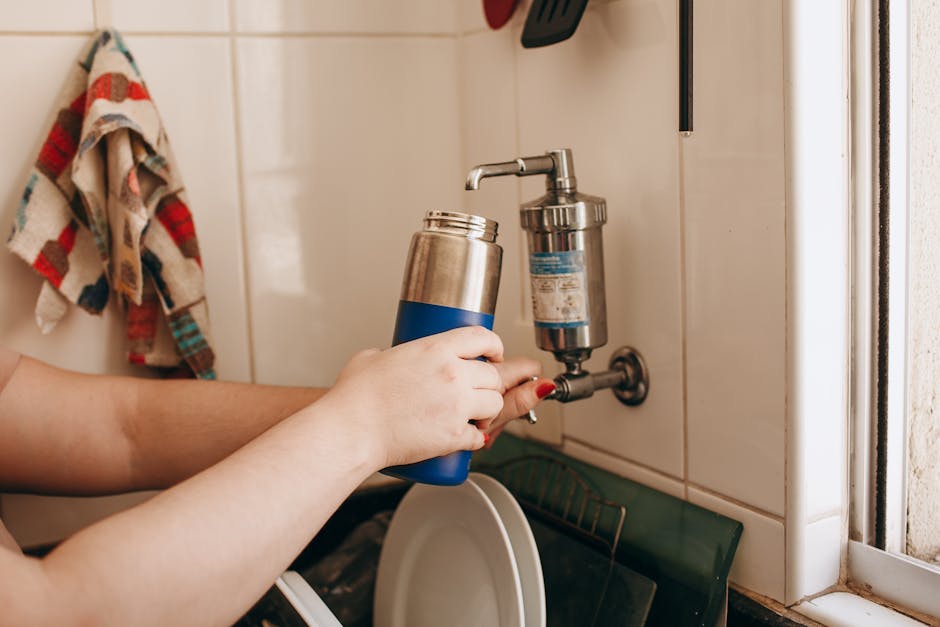
- Faucet Filters: These filters attach directly to your faucet and provide on-demand filtered water. They offer a higher flow rate than pitcher filters and can remove a wider range of contaminants, including lead and some pesticides.
- Whole-House Filters: Installed on your main water line, whole-house filters treat all the water entering your home. They’re effective at removing sediment, chlorine, and other contaminants that can damage your plumbing and appliances. However, they typically don’t address specific issues like hard water.
- Water Softeners: These systems use ion exchange to remove calcium and magnesium from your water, effectively eliminating hard water problems. They require regular salt replenishment and can be expensive to install.
- Reverse Osmosis (RO) Systems: RO systems use a semi-permeable membrane to filter out a wide range of contaminants, including TDS, lead, arsenic, and bacteria. They’re highly effective at producing clean, pure water, but they can also remove beneficial minerals.
The Power of Reverse Osmosis: A Deep Dive
For many homeowners struggling with hard water, high TDS, or concerns about contaminants, a reverse osmosis system offers the most comprehensive solution. RO systems work by forcing water through a semi-permeable membrane that filters out impurities at a molecular level. The result is water that is virtually free of contaminants, with a clean, refreshing taste.
Traditional RO systems typically include a storage tank to hold the filtered water. However, newer tankless RO systems offer several advantages, including space savings, improved hygiene, and higher flow rates. They provide filtered water on demand, eliminating the need for a storage tank and reducing the risk of bacterial contamination.
Introducing the Waterdrop X8-PRO: Your Solution to Water Quality Concerns
If you’re looking for a powerful and convenient RO system, consider the Waterdrop X8-PRO Dual Flow Reverse Osmosis Water Filter. This tankless RO system delivers an impressive 800 gallons per day (GPD) of purified water, ensuring you always have access to fresh, clean water whenever you need it. With a 9-stage filtration process, the Waterdrop X8-PRO removes a wide range of contaminants, including:
- TDS
- Heavy metals (lead, arsenic, mercury)
- Chlorine and chloramine
- PFAS
- Bacteria and viruses
- Pesticides and herbicides
The Waterdrop X8-PRO features a dual-flow design, allowing you to choose between purified water and tap water from the same faucet. This is especially convenient for tasks like washing dishes or watering plants, where purified water isn’t necessary. The system also includes an LED faucet that displays the TDS level of your water, so you can monitor its quality in real-time. Installation is straightforward, and the system is designed to attach to your existing kitchen faucet, minimizing the need for professional plumbing.
The Waterdrop X8-PRO is also BPA-free, ensuring that no harmful chemicals leach into your water. It’s a safe and reliable choice for families who want the best possible water quality.
The Waterdrop X8-PRO currently has a rating of 5.0/5 based on 10 reviews and is priced at $749.00. Check price on Amazon.
Installation and Maintenance: Keeping Your System Running Smoothly
Proper installation and maintenance are essential for ensuring the longevity and effectiveness of your water filter. Most RO systems come with detailed installation instructions, and many manufacturers offer online videos or phone support to guide you through the process. If you’re not comfortable with DIY projects, you can always hire a qualified plumber to install the system for you.
Regular filter replacement is crucial for maintaining water quality. The frequency of filter replacement depends on the type of filter and the quality of your water. Pre-filters, which remove sediment and other large particles, typically need to be replaced every 6-12 months. The RO membrane, which is responsible for removing dissolved solids, usually lasts 2-3 years. Activated carbon filters, which improve taste and odor, should be replaced every 6-12 months. Refer to the manufacturer’s instructions for specific recommendations.
In addition to filter replacement, it’s important to sanitize your RO system periodically to prevent bacterial growth. This can be done by flushing the system with a diluted bleach solution or using a commercially available RO system sanitizer. Follow the manufacturer’s instructions carefully to avoid damaging the system.
Beyond Filtration: Other Ways to Improve Your Water Quality
While a water filter can significantly improve your water quality, there are other steps you can take to further enhance your water.
- Flush Your Pipes: If you live in an older home with lead pipes, flush your pipes for several minutes each morning before using the water for drinking or cooking. This will help to remove any lead that may have leached into the water overnight.
- Use Cold Water: Always use cold water for drinking and cooking, as hot water is more likely to contain contaminants.
- Install a Water Softener: If you have extremely hard water, a water softener can help to protect your plumbing and appliances from scale buildup.
- Conserve Water: By conserving water, you can reduce the demand on your local water supply and help to ensure that everyone has access to clean, safe water.
Considering Alternatives: Waterdrop X8-WAN
Another option from Waterdrop is the Waterdrop X8-WAN Alkaline Mineral Tankless Reverse Osmosis System. This system, NSF/ANSI 42&58&372 certified, offers 10-stage filtration and adds beneficial minerals back into the water after the RO process. It also boasts an 800 GPD flow rate and a 2:1 pure to drain ratio for water efficiency. This model is currently priced at $679.00 and holds a 4.6/5 rating based on 86 reviews. The added minerals can improve the taste and provide essential nutrients.
Future of Water Filtration: 2026 and Beyond
The field of water filtration is constantly evolving, with new technologies and innovations emerging every year. In 2026, we can expect to see even more advanced filtration systems that are more efficient, more effective, and more environmentally friendly. Some of the trends to watch for include:
- Smart Filters: Filters that can monitor water quality in real-time and automatically adjust their performance.
- Self-Cleaning Filters: Filters that can clean themselves, reducing the need for manual maintenance.
- Sustainable Filters: Filters made from sustainable materials that are biodegradable or recyclable.
- Point-of-Use UV Disinfection: Integrating ultraviolet (UV) light disinfection directly into point-of-use filters to kill bacteria and viruses effectively right before consumption.
These advancements will make it easier than ever to access clean, safe, and healthy water in your home.
The Clear Choice
Choosing the right water filter is an investment in your health, your home, and your peace of mind. By understanding your water quality issues, exploring the different types of filters available, and considering factors like flow rate, capacity, and maintenance requirements, you can select a system that meets your specific needs. The Waterdrop X8-PRO offers a compelling solution for those seeking a comprehensive and convenient RO system. With cleaner, better-tasting water, you can say goodbye to hard water woes and enjoy the benefits of truly purified water in your everyday life. See current deal.