Hot weather does not cause mold by itself. Warm, still air holding too much moisture does. That difference matters because a fan can make a room feel cooler while leaving your furniture damp enough for mildew, swollen wood, peeling veneer, and musty drawers. I have found that the reliable fix is simple: measure humidity, keep air moving behind furniture, and deal with moisture at its source before a stain appears.
What humidity level keeps wooden furniture safe?
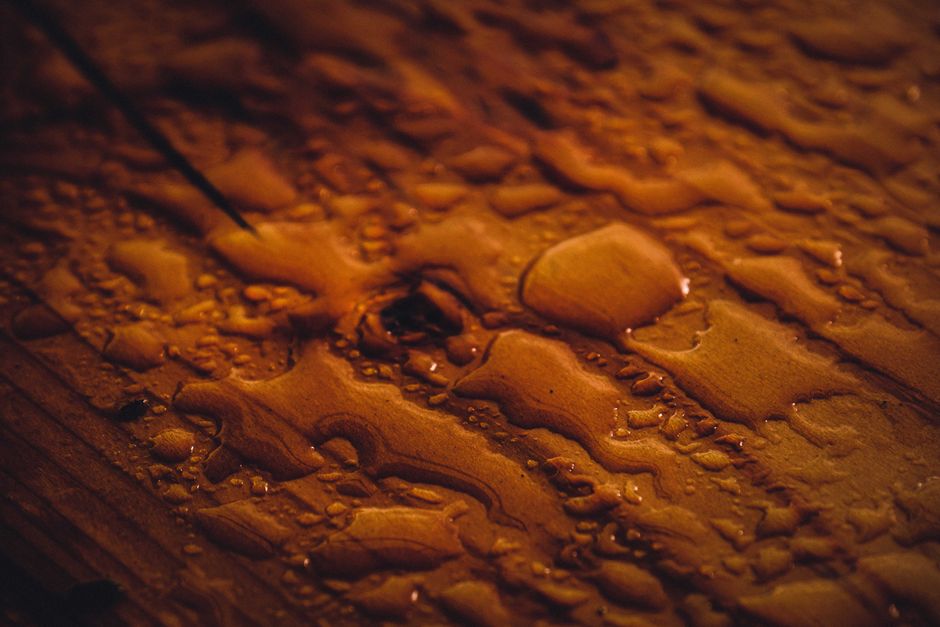
My target is 45% to 55% relative humidity, with 60% as the line I do not let a room cross for long. That range protects wood from the two problems people often confuse: moisture damage from damp air and shrinkage damage from overly dry air. A room that sits at 70% RH for weeks gives mold-friendly conditions around fabric, unfinished backs, drawer bottoms, and dust trapped against a wall; a room that falls below 30% RH can pull moisture from solid wood and create gaps, loose joints, and cracking finishes.
Why warm summer air causes hidden damage
Warm air can hold more water vapor than cool air. When that air touches a colder wall, floor, or piece of furniture, the nearby surface may reach the dew point even if the room feels comfortable. This is why the back of a bookcase can smell musty while the front looks perfect. Upholstered furniture has the same problem when it sits tightly against an exterior wall.
How to read the numbers without overreacting
One high reading does not mean the furniture is ruined. Watch the pattern for three days. If humidity rises above 60% after showers, laundry, or rain and then falls back within an hour, ventilation may solve it. If it stays high overnight, focus on moisture removal. If a monitor shows 75% RH in one corner but 52% elsewhere, move the monitor and inspect the corner instead of buying a larger appliance immediately. The right verdict is clear: control the room that stays damp, not the average number that looks harmless.
How to stop mold behind furniture before it starts
The most effective prevention is not a scented absorber or a stronger cleaning spray. It is breaking the combination of moisture, darkness, dust, and still air that lets mold establish itself. I learned to treat the back of furniture as part of the room, not as a surface nobody needs to inspect.
Start with a 30-minute airflow and inspection routine
Move wardrobes, sofas, and bookcases at least 2 to 4 inches from exterior walls. Leave more space if the wall feels cold or if pipes run behind it. Once a month in summer, use a flashlight to check the back panels, lower corners, drawer undersides, and the floor beneath the furniture. A clean-looking front tells you almost nothing about a damp rear panel.
- Measure humidity in the room morning and evening for three days.
- Open drawers and cabinet doors for 20 to 30 minutes so trapped air can escape.
- Run a bathroom exhaust fan during showers and for at least 20 minutes afterward.
- Dry wet towels, swimsuits, and mop heads outside the furniture area.
- Vacuum dust from vents, skirting boards, and furniture backs because dust gives mold spores a surface to grow on.
- Wipe condensation from windows and cold walls as soon as you see it.
- Check for plumbing leaks, roof stains, overflowing plant saucers, and damp rugs before blaming the weather.
What to do when you find a small spot
For a small surface spot on sealed, non-porous material, wear gloves, isolate the item, and clean according to the finish manufacturer’s directions. Do not soak veneer, unfinished wood, particleboard, or upholstered cushions. Excess liquid can push the problem deeper. Dry the piece completely with moving air, then identify why the area became damp. If the smell returns, the panel swells, or mold covers a large area, stop cleaning it casually and use a qualified remediation service. Painting over a stain hides the evidence without fixing the moisture.
The practical rule is simple: dry the furniture and correct the moisture source on the same day. Cleaning alone is a temporary reset.
Which products help, and which mistakes waste money?
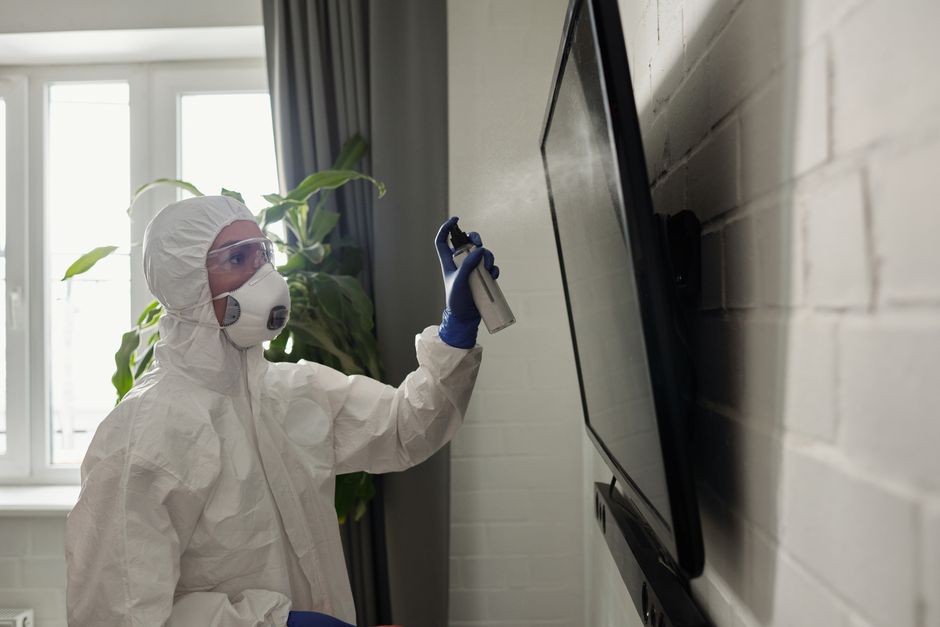
Buy the monitor before the machine. That is my firm position. People often buy a tiny moisture absorber for a damp basement, or they run a large dehumidifier in a sealed closet without checking whether the closet has a leak. Matching the tool to the size and cause of the problem saves money.
My short list for different furniture problems
- For a room that stays damp: choose the Midea Cube 35-Pint MAD35PS1QGR. Its 35-pint-per-day capacity and 6.25-gallon tank make it a sensible choice for basements, garages, and large living spaces. Set the room target near 50% RH and give air a path around the furniture.
- For measuring before buying anything: choose the AcuRite 00613. Its roughly $14.29 price and daily high-low records make it the best first step for most homes. Put one monitor in the problem room and move it behind furniture during inspection.
- For a closed wardrobe: use a DampRid 15.4-ounce Hanging Moisture Absorber. Each bag can last up to 60 days, making it practical for a closet with mild mustiness. Replace it when the crystals dissolve, and keep the bag upright over a tray or another surface that can tolerate spills.
- For a room with a leak: buy none of these first. Repair the roof, pipe, window seal, or foundation problem. A dehumidifier can lower the reading while the building continues feeding moisture into the furniture.
Mistakes I would avoid
Do not push furniture flush against an outside wall to gain a few inches of floor space. Do not place a dehumidifier where curtains block its intake or where its warm exhaust blows directly at a wooden finish. Do not trust fragrance as proof that a closet is dry. Do not use a small closet absorber as evidence that a whole room is safe. Finally, do not keep wet furniture closed in a dark room while waiting for it to dry on its own. Open it, separate it from the wall, and move air around it.
Furniture humidity questions homeowners ask in summer
Should I open windows when the house smells musty?
Only after checking outdoor humidity. If the morning air is cooler and drier, cross-ventilation can clear stale air quickly. During a muggy afternoon or after heavy rain, open windows may add more water vapor. Use a humidity monitor to decide, not the smell alone. Mustiness is a warning sign, but it does not tell you how much moisture is present.
Can a fan prevent mold on furniture?
A fan helps move air across damp surfaces, but it does not remove water from the room. It works well after cleaning, near an open window on a dry day, or alongside a dehumidifier. It works poorly when pointed at a sealed wardrobe in a humid room. Place it so air can travel behind and around the furniture rather than blasting one small spot.
When should I replace furniture instead of cleaning it?
Replace or professionally assess furniture when particleboard has swollen, veneer has lifted across a broad area, cushions remain damp after thorough drying, or mold keeps returning after the moisture source is repaired. Solid wood with a small surface mark often has a better chance of recovery than compressed wood. The material, depth of damage, and recurring odor matter more than the size of the visible stain.
Keep summer furniture safe by holding indoor humidity near 45% to 55%, leaving airflow behind large pieces, and fixing the moisture source before mold gets established.