The best way to protect furniture from summer sun is to block direct light before it reaches the room. Start with window coverage, then move the furniture out of the brightest path, and only after that spend money on fade-resistant covers or replacement upholstery. I have found that this order saves more fabric, wood finish, and money than treating fading as a cleaning problem.
Sun damage cannot be cleaned away. Once a sofa arm or hardwood floor has changed color, the original shade is usually gone. The useful news is that a few deliberate changes can slow the damage sharply without turning a bright room into a dark cave.
Why summer sun fades furniture faster than expected
UV light starts the damage, but it is not the whole story
UV exposure breaks down dyes, finishes, and some fibers at the surface of furniture. That is why a rug near a south-facing window can lose its color in a narrow rectangle while the covered section stays rich. Upholstery, leather dyes, printed rugs, photographs, painted surfaces, and natural wood finishes can all react differently, so there is no single “sunproof” setting that works for every room.
Visible light also contributes to fading. A clear window film can remove much of the UV while allowing plenty of daylight through, but the room may still receive enough visible light to slowly change a sensitive textile. This is why I do not treat a UV claim as a promise that a sofa will never fade. It means one major source of damage has been reduced.
Heat turns a light problem into a material problem
Sunlight warms the side of a cabinet, leather chair, or painted table more than the shaded side of the same item. Repeated heating and cooling can dry finishes, stress wood joints, and make some adhesives or vinyl surfaces age faster. Heat also encourages uneven moisture movement in wood. You may see a pale patch first, but the long-term issue can include checking, cracking, shrinking, or warped panels.
The damage is cumulative. Two hours of strong afternoon sun every day can matter more than one exceptionally hot weekend. The practical verdict is simple: if a beam of direct sunlight lands on furniture for several hours, solve the light path before buying another polish, conditioner, or protective spray.
How to map the risky sunlight in your room
Track the bright patches through one full day
- Take a quick photo of each room at 9 a.m., noon, 3 p.m., and 6 p.m. on a clear day.
- Mark the areas where direct sunlight reaches upholstery, rugs, wood, artwork, or flooring.
- Write down the window direction. South and west windows usually create the hardest summer conditions, while east windows produce a strong morning burst.
- Check the same room on a cloudy day. Bright diffuse light still adds exposure, even when no sharp beam appears.
This small survey tells you more than guessing from the size of the window. A narrow west-facing window can damage one chair badly if the afternoon beam hits it every day. A large north-facing window may give the room plenty of daylight with much less direct heat.
Use distance and rotation before spending money
Moving a sofa 18 to 24 inches away from the window can take the most exposed arm out of the direct beam. Rotate a rug 180 degrees every few months so one edge does not take all the exposure. Turn cushions and swap decorative pillows from the window side to the darker side. These changes cost nothing, but they prevent the sharp two-tone fading that makes furniture look older than it is.
Do not push a leather sofa tightly against a sunny window to save floor space. The trapped heat can dry the leather while the front edge continues to receive light. For valuable antiques, dyed textiles, or original wood finishes, photograph the surface now and inspect it at the start and end of summer. A baseline makes slow color change easier to spot.
Which window protection gives the best value?
The right choice depends on what must be protected, how much view you want to keep, and whether you can alter the window. My clear preference is a layered setup: a permanent reduction of UV and solar heat at the glass, plus adjustable coverage during the brightest hours. One layer often leaves a gap.
Comparison of practical sun-control options
| Option | Real example | Published specification or size | Listed price | Best use |
|---|---|---|---|---|
| Clear window film | 3M Transparent Sun Control Window Film, Solar Clear, model 314X6SCC-4 | 48 x 78 inches; 3M film line claims 99.9% UV blocking | $114.98 | Protecting furniture while keeping a clear view |
| Tinted window film | 3M Tinted Sun Control Window Film, Solar Privacy, model 314X6SCP-4 | 48 x 78 inches; adds privacy and solar control | $99.98 | Rooms that also need glare and privacy reduction |
| Solar shade | Blinds.com Classic Solar Shades | 5% openness option; custom widths and heights | From $47.62 before sale pricing | Keeping an outward view while softening direct light |
| Fade-resistant cover | Pottery Barn Tulum outdoor lounge chair cover in Sunbrella Plainweave | Cushion cover; fabric is described as fade-resistant and UV-protective | From $129 | Replacing or shielding exposed cushions |
My value verdict
For a rental, choose a solar shade or lined curtain because it can move with you. For a home you own, clear film plus an adjustable shade is the strongest all-round choice. Buy a cover only for the part that sits in the sun; covering an entire sofa every day is irritating, and people stop doing irritating tasks.
Mistakes that quietly ruin furniture protection
What I would stop doing immediately
- Relying on glass alone: Standard window glass does not make the room safe from fading. It may reduce some UV, but direct visible light and solar heat still reach the furniture.
- Buying a clear UV spray as the only defense: A surface treatment may help a narrow material or finish, but it cannot shade the entire room and can create a patchy sheen if applied unevenly.
- Using blackout fabric with gaps: Light leaking around the sides can create sharp stripes across a chair or rug. Mount curtains wider and higher than the glass when possible.
- Cleaning aggressively: Bleach, strong degreasers, and rough brushes can remove protective finishes or alter color faster than ordinary sunlight. Follow the upholstery or finish maker’s care instructions.
- Leaving a cover on damp furniture: A cover traps moisture and can produce mildew, odor, or dye transfer. Let fabric dry fully before covering it.
When not to buy a new protective product
Do not buy a replacement cover when the real problem is furniture placement. Do not buy expensive film for a window that receives only weak indirect light. Do not buy a dark solar shade if the room already needs every bit of daylight and the furniture can be moved 24 inches out of the beam. A cheaper change that removes direct exposure beats a premium product left in the wrong place.
Also skip a universal slipcover for a shaped sofa unless you accept loose fabric and frequent adjustment. A fitted replacement cushion cover looks better and protects the part that actually receives sunlight. Protection should be easy enough to use every day, or it becomes decoration rather than prevention.
Which protection should you buy for your room?
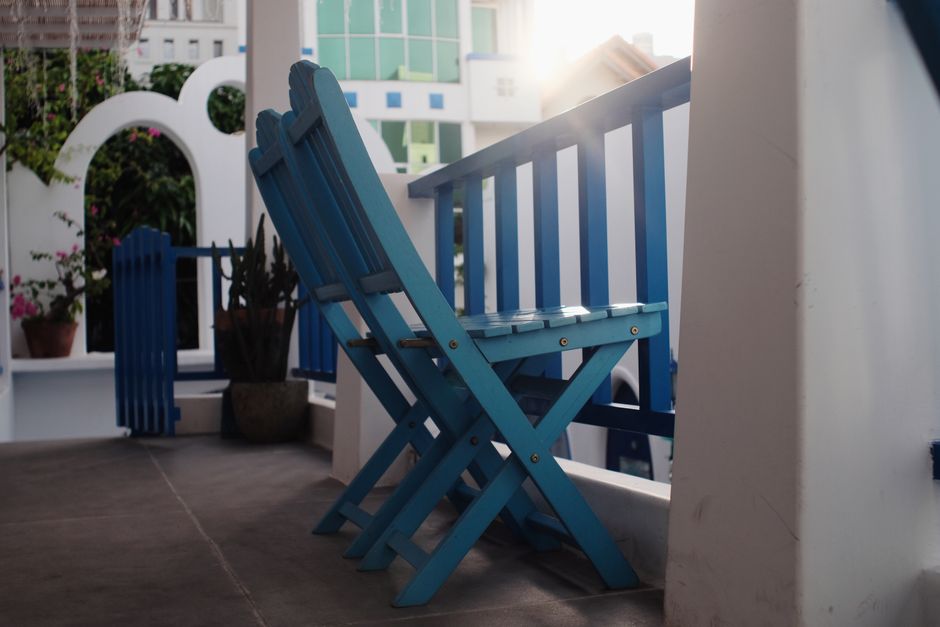
Q: What is best for a south- or west-facing living room?
Use clear 3M Solar Clear film if you own the home and want to preserve the view. Add a solar shade for the two or three hours when the sun reaches the furniture directly. This combination is my strongest recommendation for a sofa, rug, and wood floor sharing one sunny room because it reduces exposure at the glass and gives you daily control.
Q: What is best for a rental or a small budget?
Choose a properly sized solar shade or lined curtain first. The Blinds.com Classic Solar Shades start around $47.62 before promotions, and a curtain can be removed without changing the glass. Move furniture away from the window, rotate cushions, and use a breathable cover only during vacations or long periods away. This approach costs less than film installation and still solves the main problem.
Q: What is best for outdoor cushions or a sunroom sofa?
Choose Sunbrella fabric when replacing upholstery, then keep the cushions shaded whenever the space is not being used. For a fitted cushion, the Pottery Barn Tulum Sunbrella Plainweave cover is a concrete example of the price range, starting at $129 for some lounge-chair covers. Buy it when the cushion already needs a new cover; do not use the price of fade-resistant fabric as an excuse to ignore a bare, unshaded window.
The most durable furniture plan is becoming more practical: better window films, adjustable solar shades, and fabrics with color built into the fiber now work together instead of competing. A bright room does not have to become a dark room. It just needs the sun to stop landing on the same piece of furniture every afternoon.