You have the mattress, the paint color, and a room that is almost ready, but the bed frame still sits in the shopping cart because every style seems to promise the same thing. The practical choice comes down to three jobs: supporting the mattress, allowing air to move underneath it, and solving a storage or space problem.
Platform, slatted or storage: what changes in daily use?

Platform frames give the firmest, simplest base
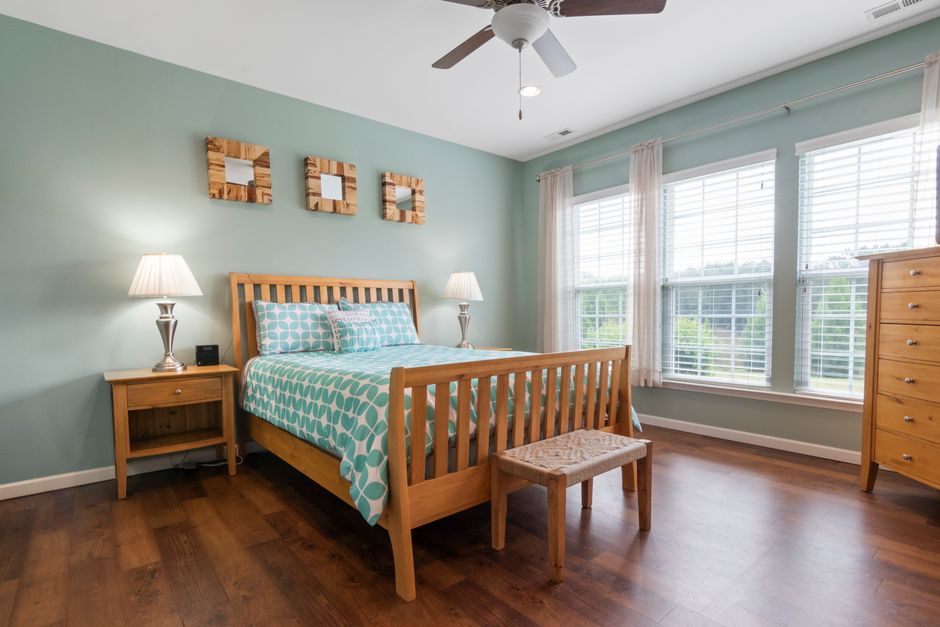
A platform frame uses a solid deck or closely spaced slats to hold the mattress directly. You usually do not need a box spring. The low part count makes the frame easier to assemble and less likely to develop loose joints. A platform also creates a clean outline around the mattress, which suits small rooms and modern interiors.
The tradeoff is airflow. A solid deck can trap more heat and moisture below the mattress than open slats. That matters in a humid bedroom or for a sleeper who overheats. A platform also gives you fewer places to hide bedding unless it has built-in drawers or enough clearance for containers.
Slatted frames improve airflow and adjust the feel
Slats run across the frame and create gaps beneath the mattress. The gaps let air move, which helps the underside dry after warm nights and makes cleaning easier. Rigid wood slats feel firmer. Slightly flexible curved slats can add a small amount of give. The useful specification is not the word flexible; it is the distance between slats. Many foam mattress makers ask for gaps no wider than 2 to 3 inches.
Slats can also expose a weak frame. If the center beam has no supporting legs, the middle of the bed may dip. If the slats slide out of their holders, the mattress may shift or squeak. A good slatted frame has a fixed center rail, floor-contact legs and slats that cannot move sideways.
Storage frames trade access for capacity
A storage frame turns the unused volume below the mattress into drawers, shelves or a lift-up compartment. Drawers are easy to organize but need open floor space. Lift-up storage holds more, yet you must move the bedding or mattress to reach it. The frame is also heavier and harder to move during a rental or room change.
Storage is worth paying for when the bedroom lacks a closet, but it is a poor choice when the bed sits against three walls or when a door blocks the drawer path. In those rooms, shallow under-bed boxes under a simple slatted frame give you access without locking the bed into one position.
Verdict: pick a slatted frame for airflow and a slightly lighter feel, a platform frame for firm simplicity, and a storage frame only when you have measured the access path and will actually use the space.
The quickest bed-frame verdict for your room
Choose a platform frame for a clean, stable bedroom
If your room is dry, your mattress needs firm support and you want the fewest parts that can loosen over time, a platform frame is the best default: it solves the support problem directly, works without a box spring, and leaves you free to add separate baskets or containers later without committing the entire room to built-in drawers.
Choose a slatted frame for airflow or a small budget
If you sleep hot, live in a humid climate, or need a lighter frame that is easier to carry upstairs, choose fixed slats with gaps no wider than 3 inches and a center rail that touches the floor; this option earns the strongest practical recommendation because it balances ventilation, support, cleaning access and cost without taking over the room.
Three real bed frames worth comparing in 2026

Best budget platform: Zinus Mia Metal Platform Bed Frame
My pick for a first apartment is the Zinus Mia Metal Platform Bed Frame with Headboard. The Queen version was listed at $299.99 on the US product page checked for 2026, with a steel frame, wooden mattress-support slats, a 14-inch overall frame height and about 14 inches of clearance below it. The Queen outer dimensions are about 59.5 by 79.5 by 38 inches, and the frame is designed to work without a box spring.
That clearance gives you useful space for labeled bins, but it does not equal a built-in storage system. Choose it when price, easy cleaning and open floor space matter more than a polished wood finish. Avoid it if you need drawers that hide clutter or if a metal headboard would clash with a soft, traditional bedroom.
Best compact storage: IKEA BRIMNES Bed Frame with Storage
The IKEA BRIMNES Queen bed frame with storage was listed at $349 for the frame on the US site checked for 2026, before adding the slatted base and mattress. It includes four drawers, measures about 62 1/4 inches wide by 81 7/8 inches long and stands 18 1/2 inches high. Each drawer is about 37 3/8 inches wide and 21 1/4 inches deep inside, with a listed maximum drawer load of 44 pounds.
This is the strongest choice for a small bedroom that has enough clearance on both sides for drawers. The catch is the final cost and access: the slatted base is sold separately, the particleboard construction adds weight, and a drawer blocked by a nightstand is wasted capacity.
Best premium slatted platform: Thuma Classic Bed
The Queen Thuma Classic Bed was listed at $1,395 for the frame configuration checked in 2026. It measures 65 by 85 inches, has 9 inches of under-bed clearance and places the top of the frame about 13 inches above the floor. Its slats sit just under 3 inches apart, and the frame uses tool-free joinery that can be assembled in roughly 5 to 15 minutes.
Choose it when quiet construction, real wood and fast disassembly matter more than a low price. It is the clear premium winner for a bedroom that needs a calm, minimal look. It is not the right purchase for someone who wants maximum hidden storage per dollar.
Prices change by size, finish and stock, so treat these figures as buying benchmarks rather than permanent quotes. The more important comparison is what comes with the frame: slats, center support, drawers, headboard and delivery can change the real total.
Use this five-step measuring and buying process
- Measure the mattress first. Confirm the label and measure length, width and thickness. Do not assume every Queen frame has identical inner dimensions.
- Mark the footprint on the floor. Use masking tape to show the outer edge of the frame, not only the mattress. Walk around it with a laundry basket in your hands.
- Check the support rules. Look for the mattress maker’s maximum slat gap, required center support and weight limit. A gap that is safe for a spring mattress may be too wide for a foam mattress.
- Price the complete setup. Add the slatted base, center beam, headboard, drawers, delivery and assembly tools. A $349 frame can become a $500 purchase before the mattress arrives.
- Test the access plan. For drawers, open every drawer fully. For lift-up storage, confirm that the ceiling light, wall shelf and bedding will not stop the lid. If you cannot reach the storage easily, choose open bins under a slatted frame instead.
Verdict: buying the frame only after these five checks is the safest route. Most bed-frame mistakes come from fit, access or missing support parts, not from choosing the wrong color.
Common mistakes and the questions that settle the choice
Do I need a box spring with a platform bed?
No. A true platform frame supports the mattress directly, so adding a box spring can raise the finished height, hide the headboard and change the feel. Use one only when the frame maker and mattress maker both allow it. For most platform designs, the right purchase is the frame plus the correct slats, not another support layer.
When should I avoid a storage bed?
Avoid it when the bed must sit tightly against a wall, when you move often, or when the bedroom has no clear drawer path. Also avoid buying storage for a vague future need. Measure the items you will store: two spare duvets, winter coats and shoes need different compartments. If the storage plan does not fit the frame, buy a simpler bed and a separate cabinet.
Why does my new bed squeak?
Squeaking usually comes from loose bolts, slats rubbing against their holders, an uneven floor or a center rail that lacks proper support. Tighten the hardware after the first week, place felt tape at rubbing contact points, and check that every support leg touches the floor. Do not solve a structural gap with folded cardboard; level the frame with the maker’s approved hardware or fix the floor contact.
For the apartment with the mattress waiting in the corner, the answer is now practical: choose the Zinus Mia when the budget and open clearance win, the IKEA BRIMNES when four accessible drawers solve a real space problem, or the Thuma Classic Bed when quiet, durable slatted construction is worth the premium. The best frame is the one that fits the room, supports the mattress and still works when you need to make the bed, clean underneath it or carry it through the next doorway.