Which outdoor patio furniture material will last longest on your property without turning maintenance into a weekly chore? The answer usually depends on four facts: rainfall, sun exposure, wind, and how much care you will actually provide after the furniture arrives.
This guide compares teak, aluminum, synthetic rattan, and recycled plastic by durability, upkeep, comfort, and common failure points. It also separates natural rattan from weather-resistant synthetic wicker, since those materials do not perform the same way outside.
No specific state law decides whether teak or aluminum is the better purchase. State and local rules may affect balcony load limits, fire safety, historic-district approvals, or homeowners association restrictions, and those rules vary by jurisdiction.
How climate determines the right patio furniture material
Rain, humidity, and standing water
Water is not the only problem. The real risk comes from repeated wetting and drying. Wood expands when it absorbs moisture and contracts as it dries. That movement can open joints, lift finishes, and create small cracks. Teak handles this cycle better than many outdoor woods because its natural oils and dense grain slow water absorption, but even teak should not sit in a puddle.
Aluminum does not rust like ordinary steel, which makes it a strong choice for humid regions and covered coastal patios. Its weak points are fasteners, welds, and powder-coat damage. A deep chip that exposes another metal can begin corrosion at the damaged area.
Sun, wind, and temperature swings
Ultraviolet light fades fabric, dries wood surfaces, and can make cheap synthetic wicker brittle. Wind adds a separate problem: a light chair or table can move, tip, or strike a wall. In exposed yards, weight and frame geometry matter as much as the material label. A heavy teak chair may stay put where a hollow aluminum chair needs a weighted base.
For a fully exposed patio in a wet climate, powder-coated aluminum or high-density recycled plastic is the safest low-maintenance starting point. Teak is the better wood choice when appearance and long service life matter more than keeping the original honey color.
Teak, aluminum, rattan, and plastic compared
The table below gives a practical first screening. Service life depends on construction, drainage, UV exposure, and care, so these are useful ranges rather than guarantees.
| Material | Best setting | Routine care | Typical service life | Main drawback |
|---|---|---|---|---|
| Teak | Uncovered patios and dining areas | Wash gently; seal only if you want to slow silvering | 15 to 25 years or more | Heavy and expensive |
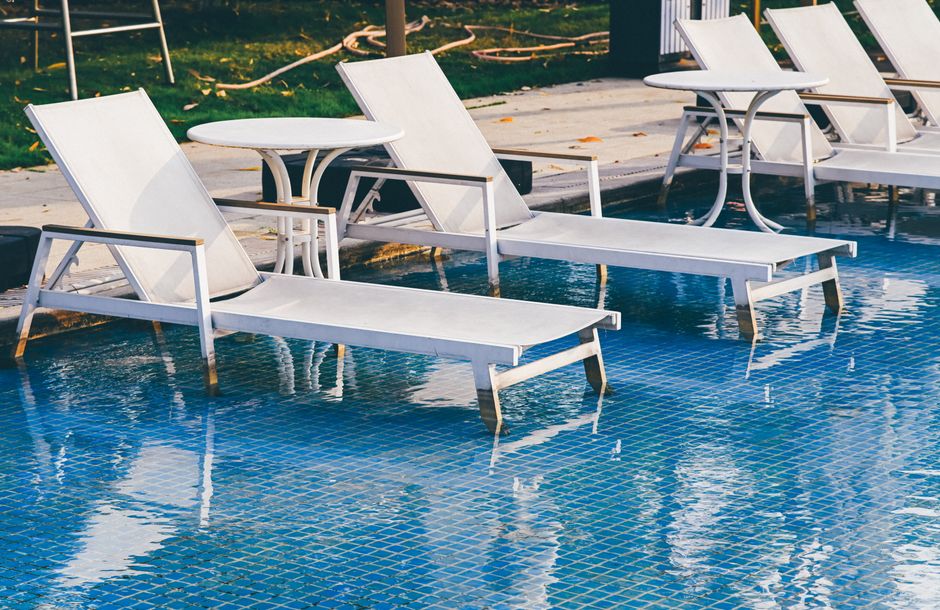
| Powder-coated aluminum | Rainy, coastal, or modern patios | Wash twice yearly; inspect chips and hardware | 10 to 20 years | Can dent or feel hot in direct sun |
| Synthetic rattan | Covered patios and screened porches | Brush debris away; wash with mild soap | 5 to 12 years | Low-grade weave can crack in strong UV |
| HDPE recycled plastic | Low-maintenance family spaces | Soap and water | 15 to 20 years | Heavy and less wood-like |
What the table says
Teak wins for a natural material exposed to changing weather. Aluminum wins for low weight, fast drying, and clean lines. Synthetic rattan works best when the patio has a roof or screen. Natural rattan belongs indoors or in a protected sunroom; it is not a substitute for outdoor-grade synthetic wicker.
The clearest product benchmarks
The POLYWOOD Classic Adirondack Chair uses HDPE lumber, stainless-steel hardware, and a 20-year limited warranty, making it a useful benchmark for recycled plastic durability. The Fermob Bistro 24-inch Round Folding Table uses a powder-coated steel frame and a compact 24-inch round top, which suits small balconies but weighs more than aluminum.
Why powder-coated aluminum is the practical winner for many patios

For the average uncovered patio, powder-coated aluminum is the best overall choice because it dries quickly, resists ordinary rust, and needs less work than teak. That verdict changes only when a buyer has a strong reason to prefer the weight and aging pattern of wood.
Does aluminum work in coastal air?
Yes, but coastal air still requires care. Salt deposits can collect around joints and hardware, so rinse the frame with fresh water several times a year. Choose stainless-steel fasteners when available, inspect scratches, and avoid abrasive cleaners that remove the protective finish. A well-built aluminum frame is usually a better coastal bet than untreated steel.
When is a heavier material better?
Choose teak or HDPE recycled plastic when wind is a constant problem or when you want furniture that feels solid under daily use. The POLYWOOD Classic Adirondack Chair is a clear example: its HDPE construction and stainless-steel hardware favor durability over low weight. It is a stronger fit for a windy lawn than a very light folding chair.
What is the compact alternative?
For a small balcony, the Fermob Bistro 24-inch Round Folding Table is a practical compact reference point. Its 24-inch top serves one or two people and folds away, but its powder-coated steel construction is heavier than aluminum. Pick it for stability and storage convenience, not for the lightest possible frame.
What patio furniture mistakes cause early failure?
Most early failures come from a mismatch between the material and the site. The buyer chooses a finish in a showroom, then places it in conditions the finish was never meant to handle.
Mistake: treating all wicker as outdoor wicker
Natural rattan is a plant fiber. It can absorb moisture, swell, mildew, and weaken under direct rain. Synthetic rattan or resin wicker is different, but quality varies sharply. Look for an aluminum frame, UV-resistant resin, tight weaving, and drainage beneath the cushions. If the listing only says “wicker,” the description is incomplete.
- Do not place unsealed wood directly on wet soil.
- Do not leave cushions on a seat that cannot drain after rain.
- Do not assume a powder coat hides deep scratches or damaged welds.
- Do not oil teak simply to stop its natural silver-gray color unless you accept regular reapplication.
Mistake: buying for the showroom, not the site
Bright indoor lighting hides glare, heat, and wind. Test the path from the door to the patio, check the afternoon sun angle, and inspect the furniture from below. A chair that looks elegant but blocks the only walkway will create daily frustration. A cheap cover may also trap moisture, so select breathable storage instead of sealing damp cushions inside plastic.
Is teak worth the maintenance?
Teak is worth buying when you want a natural wood surface, long service life, and furniture that can remain outdoors for much of the year. It is not the right choice for a buyer who wants a light frame, a fixed original color, or zero seasonal cleaning.
What happens if teak is left untreated?
New teak usually starts honey-brown and gradually turns silver-gray under sunlight and weather. That color change is normal aging, not proof of failure. Wash away dirt with mild soap and a soft brush. Avoid pressure washing, which can roughen the grain and drive water into joints.
Should you oil or seal teak?
Oil can preserve a warmer color, but it creates a maintenance cycle. Dirt may stick to the surface, and uneven reapplication can leave patches. If your priority is the simplest routine, let the wood weather naturally. If color is the priority, follow the product maker’s cleaning and recoating schedule.
Where does IKEA NÄMMARÖ fit?
The IKEA NÄMMARÖ outdoor series uses solid acacia wood with a water-based stain and offers modular seating and dining pieces. It is a sensible budget-oriented wood option for a covered or partly protected patio, but it needs more finish care than teak. Choose it when initial cost and coordinated pieces matter more than maximum resistance to exposed weather.
What should you buy for your specific patio?
The defensible recommendation is simple: choose powder-coated aluminum for an uncovered patio when you want the best balance of weight, weather resistance, and upkeep. Choose teak when natural wood and long service life justify a heavier, more expensive set.
Best choice by setting
For a rainy coastal patio, select aluminum with stainless hardware and a finish that can be rinsed clean. For a windy yard, select teak or HDPE recycled plastic. For a covered porch, synthetic rattan gives a softer lounge look. For a small balcony, use a folding steel or aluminum café set and keep the footprint below the railing and door-clearance limits.
Final buying rule
Do not choose a material from a color photograph alone. Match the frame to moisture and wind, match the surface to your maintenance tolerance, and match the dimensions to the actual path people will use. For most households, a powder-coated aluminum dining set with removable, quick-dry cushions is the strongest overall recommendation; teak is the upgrade pick for buyers who want wood and accept its weight and aging pattern.
State and local requirements may apply to balconies, shared buildings, fire separation, or historic properties.