
Most organization advice starts with a trip to The Container Store. That’s backwards. Buying bins, baskets, and drawer dividers before you’ve touched your actual stuff is just expensive clutter relocation. You’re not organizing. You’re shopping.
The furniture you already own has storage capacity you’re probably ignoring. A standard three-seater sofa with a chaise has roughly 14 cubic feet of dead space underneath. A bed frame without drawers wastes 28 cubic feet. That’s the equivalent of four large plastic totes. For free. Already in your home.
This isn’t about minimalism as an aesthetic. It’s about recognizing that the $34.99 fabric bin from IKEA’s DRÖNA line solves a problem you might not actually have. The real problem is usually volume, not containers.
The Real Cost of Container-First Organizing
Walk into any home with “organized” pantries and closets and you’ll see the same thing: matching containers holding things nobody uses. Decanted pasta in OXO Good Grips POP containers ($19.99 each) looks beautiful. It also hides that you bought three pounds of orzo in 2026 and never touched it.
Container-first organizing has three failure modes:
- The museum effect. Everything looks too nice to touch. You stop using what’s inside because you don’t want to mess up the system. A $300 Elfa closet system from The Container Store becomes a display case, not a functional space.
- Hidden expiration. Clear containers let you see pasta. They don’t remind you when you bought it. Six months later, you’re tossing $40 worth of stale bulk-bin purchases because the container did its visual job too well.
- Category creep. You buy a bin for “batteries.” Then a bin for “light bulbs.” Then a drawer divider for “cords.” You’ve spent $87 and created a hardware store in your hallway closet. None of it gets used.
The Container Store’s Elfa system is genuinely well-made. The ventilated shelving prevents dust accumulation, and the 10-year warranty is real. But the system works best when you’ve already removed 40% of what you plan to store. Most people skip that step.
Furniture You Already Own Has Hidden Storage

The Bed Frame You’re Ignoring
A queen bed occupies 33 square feet of floor space. If your frame sits on legs, you have 10-12 inches of vertical clearance underneath. That’s enough for four IKEA SKUBB boxes ($8.99 each, 27x20x15cm) per side. Eight boxes total. $72 for a fully concealed storage system that doesn’t require buying a new bed.
The IKEA MALM bed frame with four drawers ($449) is the default recommendation here. It’s fine. But if your current bed frame is solid, adding under-bed storage boxes costs a fraction of that and achieves the same result. The key is boxes with lids. Open bins under a bed collect dust bunnies at a rate that defies physics.
Ottomans and Benches That Pull Double Duty
Storage ottomans are the only organization product I’ll recommend without caveats. A single piece of furniture that replaces a coffee table, provides seating, and stores blankets is a genuine efficiency gain. The Christopher Knight Home storage ottoman ($120-$180 depending on color) holds 4.5 cubic feet internally. That’s three winter comforters.
What fails: cube storage ottomans that are too small to hold anything useful. If the internal dimensions are under 14x14x14 inches, you’re storing remotes and coasters. That’s not storage. That’s a box with a lid.
A 48-Hour Declutter That Actually Works
Marie Kondo’s method works. It also takes weeks and requires emotional bandwidth most people don’t have on a random Tuesday. Here’s the compressed version that gets you 80% of the results:
Hour 1-2: Remove everything from one closet. Everything. Pile it on the floor or bed. You cannot organize what you can’t see in aggregate. This step is non-negotiable.
Hour 3-4: Sort into three piles only. Keep, donate, trash. No “maybe” pile. The maybe pile is where organization goes to die. If you haven’t used it in 18 months and it’s not seasonal or sentimental, it goes in donate or trash.
Hour 5-6: Put back only what fits in the existing storage. Do not buy anything new. If your closet shelf holds 20 folded shirts and you have 35, you don’t need more shelves. You need 15 fewer shirts.
This works because it imposes a hard constraint. Constraints force decisions. Endless storage capacity enables hoarding with better aesthetics.
| Storage Product | Typical Cost | What It Actually Does | Better Alternative |
|---|---|---|---|
| ClosetMaid Cubeicals 6-Cube Organizer | $79.99 | Displays clutter in fabric bins | Remove 6 cubes worth of stuff first |
| IKEA KALLAX 4×4 Shelf Unit | $199.00 | 77″x57″ of horizontal surface that attracts mail | Wall-mount what you actually use |
| Elfa Decor 8′ Reach-In Closet System | $540.00 | Professional-grade hanging and shelving | Worth it only after a full declutter |
| Simplehuman 45L Semi-Round Step Can | $129.99 | Contains trash beautifully for 10 years | Buy this. It actually earns its footprint. |
When Buying Storage Actually Makes Sense
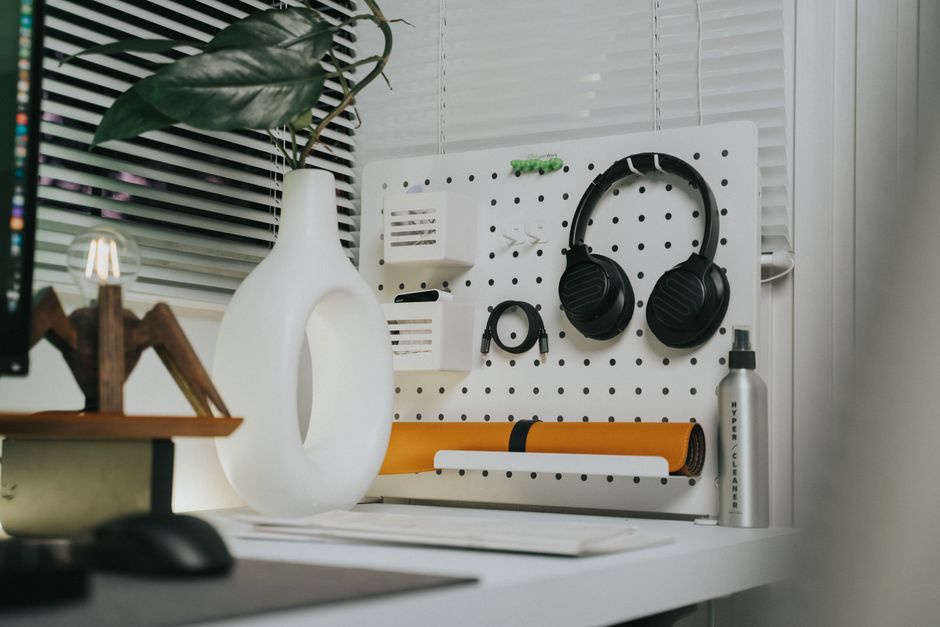
There are exactly three scenarios where purchasing organization products solves a real problem:
Vertical space is genuinely unusable without hardware. A pantry with 24-inch-deep shelves where cans disappear into the void needs shelf risers. The Copco Non-Skid 3-Tier Spice Rack ($14.99) solves this specific problem. It doesn’t create more space. It makes existing space accessible.
You’re protecting an investment. Cedar shoe trees ($24.95 from Woodlore) extend the life of leather shoes by absorbing moisture and maintaining shape. This isn’t organization for its own sake. It’s maintenance.
The item itself is the storage. A proper filing cabinet for documents you legally must keep. The IKEA HELMER drawer unit ($49.99) on casters holds hanging files and slides under most desks. It’s ugly but functional. That’s the right tradeoff for tax documents.
What Professional Organizers Won’t Tell You
Professional home organizers charge $80-$150 per hour. Their business model depends on you believing that the right system will fix your clutter problem permanently. It won’t. Systems require maintenance. Maintenance requires habits. Habits are free and nobody can sell them to you.
The organizers who are honest about this—and there are some—will tell you that 60% of their job is just being a neutral third party who gives clients permission to throw things away. You don’t need permission. You need a garbage bag and two hours.
The Container Store’s annual Elfa sale runs every January. People spend an average of $400 per transaction during that sale. By March, a meaningful percentage of those systems are disorganized again. The shelf didn’t fail. The behavior didn’t change.
The One Rule That Replaces Every Organization System
One in, one out. For every new item that enters your home, an equivalent item leaves. New sweater? Old sweater gets donated. New kitchen gadget? The unitasker you haven’t used since 2026 goes to Goodwill.
This rule works because it’s a closed system. Your total inventory can’t grow. You don’t need more storage because the amount of stuff stays constant. It’s not exciting. It won’t get pinned on Pinterest. But it’s the only organization method that doesn’t eventually fail under its own weight.
Furniture with built-in storage is great. Under-bed boxes are useful. Shelf risers solve real problems. But none of them matter if you’re using them to store things you should have thrown away. The best home organization tip isn’t about organizing at all. It’s about owning less.