You spend $1,400 on a sofa that was everywhere in design magazines. Eight months later, the same silhouette shows up discounted at T.J. Maxx. That’s the furniture trend cycle — and 2026 ran it hard.
The post-pandemic home spending wave pushed retailers to sell “fresh” aesthetics aggressively. Some of those trends have genuine design merit and real staying power. Others are marketing cycles dressed as lifestyle movements. This guide separates them, with specific products and prices.
This is not decorating advice for your specific space — room dimensions, existing furniture, and light conditions matter in ways no general guide can account for.
What Actually Defined 2026 Furniture Design
Three forces shaped every major showroom and retail catalog in 2026: the backlash against pandemic-era sterile minimalism, a serious (not performative) push toward natural materials, and the continuing pressure of smaller average living spaces pushing multifunctional design into the mainstream.
The six dominant trends mapped against each other:
| Trend | What It Looks Like | Longevity Risk | Entry Price Range |
|---|---|---|---|
| Japandi | Warm wood tones, minimal form, natural textiles | Low — rooted in timeless principles | $150–$800 accent pieces |
| Curved/organic shapes | Rounded sofa arms, blob coffee tables, arched mirrors | Medium — already softening post-2026 | $600–$2,500 seating |
| Bouclé upholstery | Looped textured cream/neutral fabric on chairs and sofas | High risk on primary seating; low on accents | $300–$1,800 |
| Earthy color palette | Terracotta, sage green, warm cream, olive, warm brown | Low — permanent replacement for cold gray | Accessible — paint and accessory level |
| Rattan and natural materials | Cane-back chairs, woven side tables, jute rugs | Low to medium | $80–$500 |
| Modular seating | Reconfigurable sectional pieces, no fixed sofa shape | Low — functional, not fashion-driven | $800–$3,000+ |
From Cold Gray to Organic Warmth
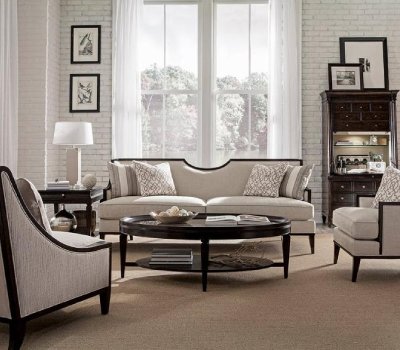
The gray-dominant interior era ran from roughly 2010 to 2026. It’s not coming back as a dominant palette. What replaced it wasn’t just warmer color — the actual silhouettes changed. Furniture legs got tapered and lighter. Upholstery softened. Coffee table edges went from sharp 90-degree corners to gentle rounds.
IKEA’s 2026 catalog captured this shift clearly with the ÄPPLARYD sofa ($1,199) — a low-slung, curved form in muted tones that would have looked completely out of place in a 2016 showroom. Article’s Sven sofa ($1,599 starting) became a bestseller on the same logic: curved arm profile, warm midcentury feel, direct-to-consumer pricing that undercut West Elm and CB2 equivalents by $400–$800.
The Material Honesty Test
The most durable design pieces from 2026 share one quality: they look like what they actually are. Visible wood grain. Tactile fabric texture. Nothing laminated to resemble something else. This isn’t aesthetics philosophy — it’s a practical purchase signal. Pieces with real material quality photograph well, age well, and hold resale value better than trend-chasing finishes.
A simple test when shopping: if the product description says “wood-look” or “linen-style,” it’s probably neither. Real Japandi or organic-style furniture uses real materials. Don’t pay a premium for the aesthetic if the material underneath doesn’t support it.
Bottom Line: Japandi and earthy tones have genuine staying power. Extreme organic shapes and bouclé on primary seating carry real financial risk. Allocate budget accordingly.
The Single Most Useful Buying Rule from 2026
Spend your trend budget on accent pieces under $300. Spend your real money on foundational pieces with 10-year design relevance.
A terracotta linen accent chair at $299 that looks dated in four years costs $299. A curved bubble sofa at $2,200 that looks dated in four years costs $2,200. The math on trend risk is straightforward — and most buyers in 2026 did not run it.
Bouclé, Curves, and Japandi: What Buying Actually Looks Like
These three dominated every 2026 trend roundup. Here’s the real purchase picture — not the showroom version.
Curved Furniture: When It Works and When It Doesn’t
Curved sofas genuinely make boxy rooms feel less rigid. The rounded silhouette pulls the eye inward rather than defining hard boundaries. In the right space, this is a real design benefit — not marketing language.
The problem is scale. A curved sofa like the West Elm Harmony ($2,199) or the CB2 Brava Velvet Sofa ($1,799) requires a room where the curve reads as intentional — roughly 180+ square feet of floor area with adequate clearance around the piece. Put either of those sofas in a 12×12 room and they just look cramped from every angle. The shape that looked considered in the showroom reads as chaotic when squeezed into a standard apartment living room.
The second real issue is placement flexibility. Straight-lined sofas sit against walls. Curved ones don’t — or at least don’t look right doing so. If your layout ever changes, a strongly curved sofa severely limits your options.
The smart move: buy curved accent chairs and coffee tables, not primary seating. The IKEA BUSKBO armchair ($179) — round rattan form — delivers the organic shape direction without committing thousands to a piece locked into a specific configuration. An arched mirror at $150–$300 adds curved silhouette language at near-zero risk. Save the primary sofa budget for something with a cleaner, more adaptable line.
Japandi: Real Design vs. Marketing Label
Japandi is the retail portmanteau for a fusion of Japanese wabi-sabi and Scandinavian hygge design philosophy. Both value restraint, natural materials, and functional beauty that improves with age. The reason this resonated in 2026 isn’t trend-hopping — both source aesthetics are genuinely timeless, and buyers drawn to them are making a defensible long-term call.
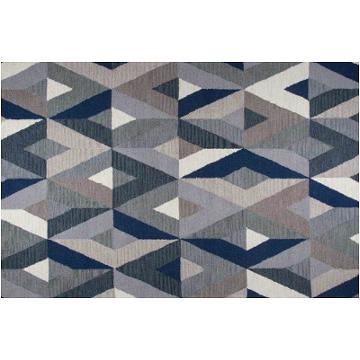
Practically, it translates to: warm-toned light wood (ash, oak, walnut), muted natural textiles (linen, wool, undyed cotton), minimal surface ornamentation, furniture that sits closer to the floor. The IKEA STOCKHOLM 2017 rug ($299, hand-woven wool) is a legitimate example — real material, real craft, accessible price. The Floyd The Sofa ($1,695) uses clean straight lines and solid wood legs that fit the Japandi sensibility while being modular enough for changing floor plans.
For dining specifically: the IKEA LISABO table ($299, ash veneer) is honest about its materials and clean in execution. Four IKEA PINNTORP chairs at $129 each puts a complete Japandi-adjacent dining setup under $900. That’s a reasonable starting point before committing to solid wood alternatives at two to three times the price.
What to ignore: everything retailers label “Japandi” that arrives in laminate with generic hairpin legs. Real pieces have material transparency. If the wood looks plastic-smooth and the fabric looks like polyester, it’s not Japandi — it’s beige furniture with a trend label and a marked-up price.
Bouclé: The Honest Assessment
Bouclé upholstery photographs beautifully. On an accent chair in a low-traffic corner of a bedroom, it’s warm, tactile, and genuinely sophisticated.
On a primary sofa in an active household? The loops catch debris, snag on belt buckles and bag zippers, and flatten in high-contact areas after 18–24 months. Spot-cleaning without permanently damaging the texture is genuinely difficult. The Anthropologie Chamois Bouclé Chair ($698) earns its place as a low-use reading chair. The Article Culla Chair ($549) is the more price-sensible version of the same concept. Both are defensible buys in the right context.
The Pottery Barn Nolan Sofa in bouclé ($2,400+) is stunning in product photography. For most households with children, pets, or regular use, it becomes a maintenance problem that costs over two thousand dollars. If you live alone in a genuinely low-traffic apartment, test a fabric sample in your actual lighting conditions before committing. For everyone else: buy a performance-fabric sofa and a bouclé accent chair. You get the look at a fraction of the cleaning stress.
Four Mistakes That Showed Up Everywhere in 2026
- Buying trend pieces without a neutral base to anchor them. A terracotta accent chair looks intentional against warm white walls and a natural wood floor. Against existing dark furniture and a gray carpet, it just reads as an error. Trend pieces need context. If the room isn’t ready, the trend piece won’t save it — it will highlight the problem instead.
- Overcommitting to delicate fabrics on high-use seating. Bouclé and velvet both photograph beautifully and both wear faster than performance weaves or plain linen under daily use. On primary seating, Crypton or a similar performance fabric costs $200–$400 extra at purchase — worth every dollar if the sofa gets sat on every day. Entirely skippable on an accent chair in a quiet corner.
- Buying arched floor lamps without measuring first. The IKEA RANARP ($50) and its many retail equivalents flew off shelves in 2026 and also had a high return rate. An arched lamp needs ceiling clearance, adequate arc space above whatever sits below it, and a power outlet in the correct wall position. A significant number of buyers discovered one or all of those constraints only after unpacking.
- Paying trend premiums at peak hype. West Elm and CB2 charged $300–$600 more than Article, Burrow, and IKEA for pieces in the same style categories during 2026’s peak demand window. Waiting six to nine months and buying equivalent pieces at post-hype prices is a straightforward cost-saving move. The furniture does not know it’s no longer trending on Instagram.
What to Buy at Each Budget Level
The clearest recommendation first: if a piece is aggressively trend-dependent — extreme curves, peak-hype colors, delicate novelty fabric — cap your spend at $300. Below that threshold, a mistake costs $300. Above it, you’re paying a trend premium on something with an uncertain useful life.
Under $300: Low-Risk Entry Points
This is where trend-testing makes financial sense. The IKEA BUSKBO armchair ($179) covers both natural materials and organic shapes in a single piece at minimal commitment. The World Market Greta Natural Rattan Chair ($199) offers a slightly warmer finish with similar design logic.
For lighting, the IKEA RANARP floor lamp ($50) gives a clean, Japandi-compatible silhouette at minimal cost — just measure ceiling clearance and outlet position before ordering. A jute or wool-blend rug in the $150–$250 range from Rugs USA anchors the earthy palette without permanent commitment. Rugs are the lowest-risk trend buy in the house — they move between rooms, they shift an aesthetic direction, and they swap out when tastes change.
$300–$1,000: Mid-Range Statements
The Article Culla Chair ($549) hits this range with a curved, vintage-modern silhouette available in performance fabric options. A better bet than a trendy sofa at this price point — an accent chair absorbs style risk without dominating the room the way a sofa does.
The IKEA LISABO table ($299) paired with PINNTORP chairs ($129 each) delivers a complete Japandi-adjacent dining setup under $900. Honest materials, clean design, leaves budget for the rest of the room.
Over $1,000: Where Investment Pieces Earn Their Price
The Floyd The Sofa ($1,695) is the clearest recommendation at this range. Modular design, solid wood legs, performance fabric options available, and a clean-lined silhouette that will read as considered design in 2030 as easily as in 2026. It doesn’t chase extreme curves — that restraint is the reason it holds up over time.
The Burrow Nomad Sofa (from $1,095) is the practical alternative — modular sections, durable fabric, ships in flat boxes so delivery logistics don’t require special arrangements. Less visually distinctive than the Floyd but more flexible for renters who move apartments regularly.
Spending over $1,000 on a heavily trend-dependent piece — a fully curved sofa in a bold 2026-specific color, for example — is exactly the kind of purchase that costs money twice. Once at the register, and again when you replace it four years later because the silhouette reads as obviously dated.